
Inicio > Humanidades > Historia > La cuestión nacional, una asignatura pendiente para la creación de una teoría de las relaciones internacionales.
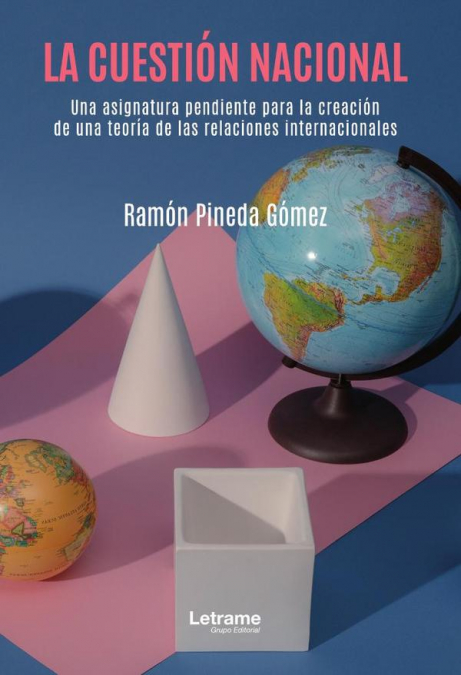
La cuestión nacional, una asignatura pendiente para la creación de una teoría de las relaciones internacionales.

La cuestión nacional, una asignatura pendiente para la creación de una teoría de las relaciones internacionales.

Ramón Pineda Gómez

16,12 €
IVA incluido
Disponible
Editorial:
Letrame
Año de edición:
2023
Materia
Historia
ISBN:
9788411814850
16,12 €
IVA incluido
Disponible

Selecciona una librería:

  • Librería Samer Atenea
  • Librería Aciertas (Toledo)
  • Kálamo Books
  • Librería Perelló (Valencia)
  • Librería Elías (Asturias)
  • Donde los libros
  • Librería Kolima (Madrid)
  • Librería Proteo (Málaga)

Previo al surgimiento de las repúblicas las relaciones humanas eran de poder religioso y militar, basados en los derechos de los dioses y por tantola guerra religiosa.Con la aparición de las repúblicas y el surgimiento del «hombre libre», el derecho a la guerra desaparece y da inicio a relaciones internacionales entre estados nacionales con igualdad jurídica, independencia y soberanía., ninguna república establece el derecho a la invasióno guerra para destruir a otra nación, cultura o sociedad.El mundo de las naciones se origina y consolida en el continente americano durante los siglos XVII y XVIII. El resto del mundo tendrá que sufrir dos Guerras Mundiales, y la Guerra Fría para reconocer los derechos civiles.Desde entonces, los imperios religiosos retan a las repúblicas, apoyadas por monarquías y estados religiosos. Los pequeños dictadores religiosos al interno de las repúblicas se disfrazan de guerrilleros y defienden la libertad religiosa contra la libertad de culto. En la república se puede ser ateo en el trabajo, idólatra de Venus en el almuerzo, o Baco y Morfeo por las noches; de Huitzilopochtli durante un evento deportivo, sin cometer delito por cambiar de religión o priorizar la ciencia sobre las mitologías.Las Constituciones republicanas establecen los derechos ciudadanos y sociales, en contraste a los divinos o naturales, pues la naturaleza no otorga ningún derecho, El «hombre libre» del continente americano inspiró cosmogonías como el liberalismo y marxismo. Hoy día los imperios religiosos no pagan impuestos, tienen sus propias reglas, exigen tributos a sus fieles. Y ejercen el derecho de guerra religiosa para imponer sus dioses.Por esto el Mundo de las Naciones continúa siendo una asignatura pendiente.
Artículos relacionados

  • Raising Freedom's Banner
    Paul Harris
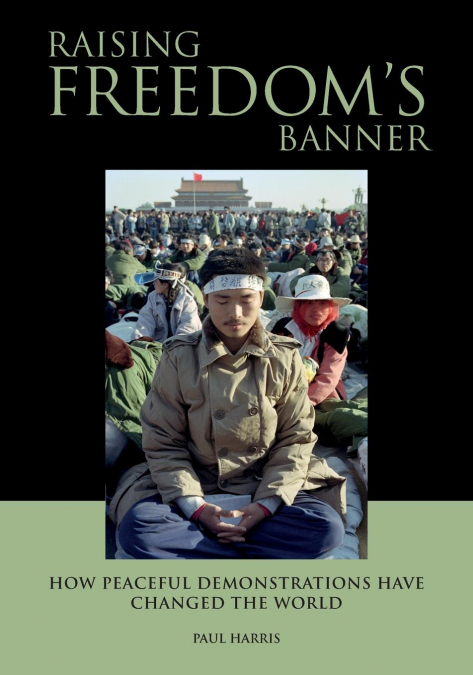
    World wide history of peaceful street demonstrations from their earliest beginning in eighteenth century England to their use throughout the world in the twenty-first century. Describes why some demonstration movements succeeded and others failed. Contrasts demonstrations within the law with civil disobedience demonstrations. Describes Peterloo, the Chartists, the Suffragettes,...
    Disponible

    23,59 €

  • Waipi’o Valley
    Jeffrey L. Gross
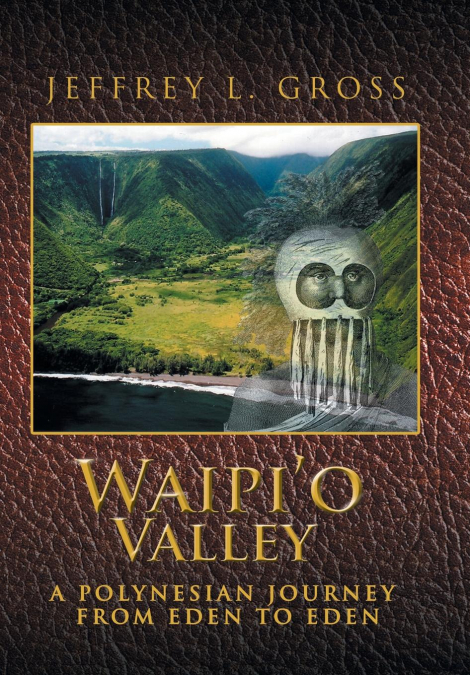
    Waipi’o Valley: A Polynesian Journey from Eden to Eden recounts the remarkable migrations of the Polynesians across a third of the circumference of the earth. Their amazing journey began from Kalana i Hau’ola, the biblical “Garden of Eden” located along the shore of the Persian Gulf, extended to the Indus River Valley of ancient Vedic India, to Egypt where some ancestors of the...
  • Floralia
    June Rainsford Butler
    A century characterized by a growing interest in science, the opportunity for travel, and leisure for gardening furnishes the setting for Butler’s book. The rise of landscape gardening in England is traced, and the origin and history of its most famous gardens are given. The close relation between England and America in the field of horticulture is also discussed.Originally pub...
    Disponible

    61,20 €

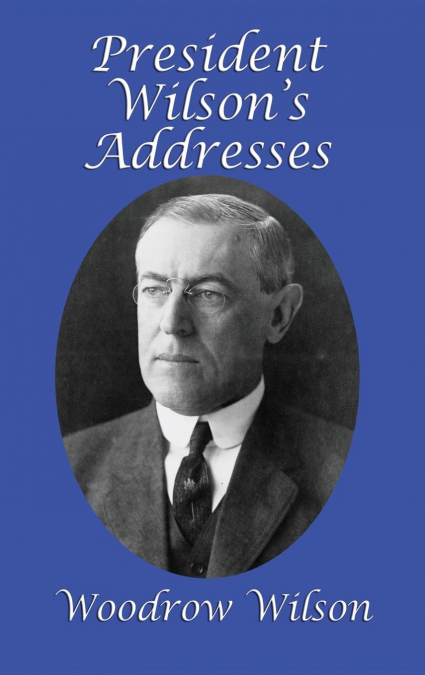
  • President Wilson’s Addresses
    Woodrow Wilson
    'These addresses of President Woodrow Wilson are almost entirely concerned with political affairs, and more specifically with defining Americanism. Yet they also show that even as he moved from academia to the heights of politics, Wilson retained something of the teacher’s interest in showing the relation between specific instances and the general forms of thought or action of ...
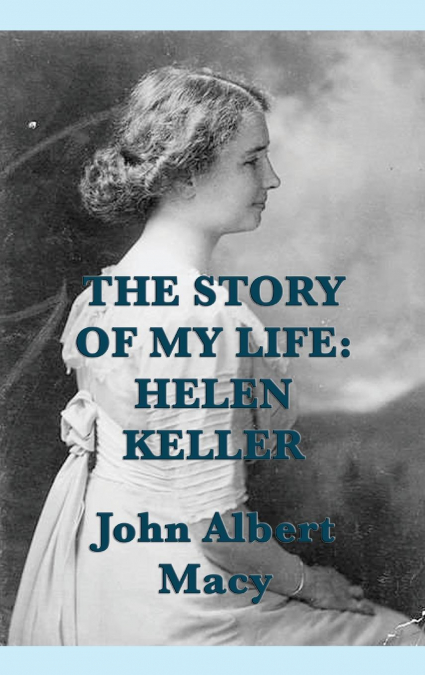
  • The Story of my Life
    John Albert Macy
    The Story of My Life, is Helen Keller’s autobiography detailing her early life, especially her experiences with Anne Sullivan. The book is dedicated to inventor Alexander Graham Bell. The dedication reads, 'To ALEXANDER GRAHAM BELL Who has taught the deaf to speak and enabled the listening ear to hear speech from the Atlantic to the Rockies, I dedicate this Story of My Life.' ...
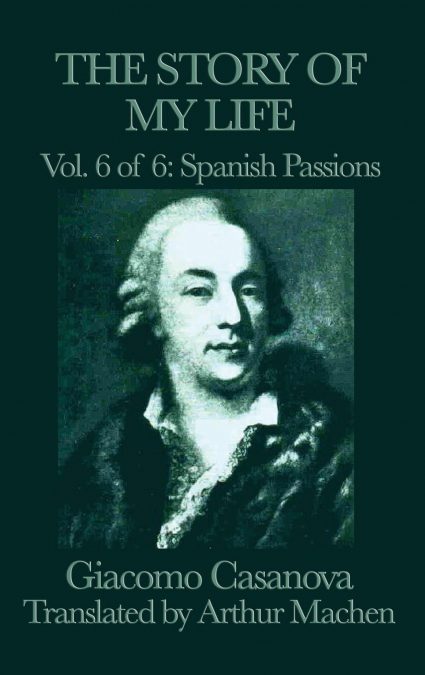
  • The Story of My Life Vol. 6 Spanish Passions
    Giacomo Casanova
    Casanova was an Italian adventurer and author from the Republic of Venice. His autobiography, Histoire de ma vie (Story of My Life), is regarded as one of the most authentic sources of the customs and norms of European social life during the 18th century. He has become so famous for his often complicated and elaborate affairs with women that his name is now synonymous with 'wom...

Otros libros del autor

  • The national question
    Ramón Pineda Gómez
    Before the rise of republics, relations between communities were religious and military power based on the rights of the gods and spiritual warfare. The Sublime Powers Granted to the Elect of the DeitiesWith the appearance of the Republics and the Free Man, International Relations as we know them today began: the interaction between the National States with equal culture or leg...
    Disponible

    15,08 €