

 Librería Samer Atenea
 Kálamo Books
 Librería Elías (Asturias)
 Librería Kolima (Madrid)
 Librería Proteo (Málaga)
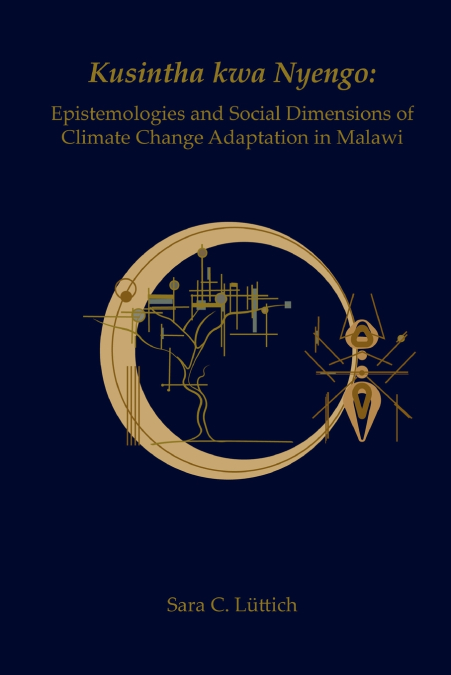
Why do so many climate adaptation initiatives in Malawi fail - despite years of investment, expertise, and good intentions? This book develops a pointed thesis - one that is epistemological rather than institutional: what is missing is not (only financial) resources, but the willingness to recognise knowledge that looks different from one’s own.Kusintha kwa nyengo - the change of weather - is how climate change is known, felt, and navigated in Malawi: through soil textures, ant behaviour before the rains, shifting winds, and community memory. This book argues that these ways of knowing are not folklore. They are epistemologies - precise, relational, and systematically ignored by the international frameworks claiming to help.Drawing on three years of qualitative fieldwork with smallholder farmers and fisherfolk, this study asks: How is climate change perceived and responded to when it is lived rather than measured? What happens when global adaptation regimes collide with local worlds of meaning? And what does non-action tell us about the limits of technocratic expertise?The answer unfolds through the figure of the ant - sensory knower, ecological meteorologist, symbol of collective intelligence - and ends with its shadow: the death spiral, in which ants follow inherited trails in circles until exhaustion. A haunting metaphor for a global climate discourse that keeps moving, expertly, and going nowhere.What is needed, this book argues, are not just new strategies - but different questions, different listening practices, and a radically plural understanding of what it means to remain capable of acting amid disruption.





