Inicio > Humanidades > Filosofía > Kritik der reinen Vernunft - 2. Auflage
Kritik der reinen Vernunft - 2. Auflage

Kritik der reinen Vernunft - 2. Auflage

Kritik der reinen Vernunft - 2. Auflage

Immanuel Kant

31,66 €
IVA incluido
Consulta disponibilidad
Editorial:
GRIN Publishing
Año de edición:
2009
Materia
Filosofía
ISBN:
9783640251018

Selecciona una librería:

  • Librería Samer Atenea

  • Kálamo Books
  • Librería Elías (Asturias)
  • Librería Kolima (Madrid)
  • Librería Proteo (Málaga)

Klassiker aus dem Jahr 2009 im Fachbereich Philosophie - Philosophie des 17. und 18. Jahrhunderts, , Sprache: Deutsch, Abstract: I. Von dem Unterschiede der reinen und empirischen Erkenntnis Daß alle unsere Erkenntnis mit der Erfahrung anfange, daran ist gar kein Zweifel; denn wodurch sollte das Erkenntnisvermögen sonst zur Ausübung erweckt werden, geschähe es nicht durch Gegenstände, die unsere Sinne rühren und teils von selbst Vorstellungen bewirken, teils unsere Verstandestätigkeit in Bewegung bringen, diese zu vergleichen, sie zu verknüpfen oder zu trennen, und so den rohen Stoff sinnlicher Eindrücke zu einer Erkenntnis der Gegenstände zu verarbeiten, die Erfahrung heißt? Der Zeit nach geht also keine Erkenntnis in uns vor der Erfahrung vorher, und mit dieser fängt alle an. Wenn aber gleich alle unsere Erkenntnis mit der Erfahrung anhebt, so entspringt sie darum doch nicht eben alle aus der Erfahrung. Denn es könnte wohl sein, daß selbst unsere Erfahrungserkenntnis ein Zusammengesetztes aus dem sei, was wir durch Eindrücke empfangen, und dem, was unser eigenes Erkenntnisvermögen (durch sinnliche Eindrücke bloß veranlaßt) aus sich selbst hergibt, welchen Zusatz wir von jenem Grundstoffe nicht eher unterscheiden, als bis lange Übung uns darauf aufmerksam und zur Absonderung desselben geschickt gemacht hat. Es ist also wenigstens eine der näheren Untersuchung noch benötigte und nicht auf den ersten Anschein sogleich abzufertigende Frage: ob es ein dergleichen von der Erfahrung und selbst von allen Eindrücken der Sinne unabhängiges Erkenntnis gebe. Man nennt solche Erkenntnisse a priori, und unterscheidet sie von den empirischen, die ihre Quellen a posteriori nämlich in der Erfahrung, haben. Jener Ausdruck ist indessen noch nicht bestimmt genug, um den ganzen Sinn, der vorgelegten Frage angemessen, zu bezeichnen. Denn man pflegt wohl von mancher aus Erfahrungsquellen abgeleiteten Erkenntnis zu sagen, daß wir ihrer a priori fähig oder teilhaftig sind, weil wir sie ni

Artículos relacionados

  • Introduction to a Future Way of Thought
    Kostas Axelos / Kenneth Mills
    'Technologists only change the world in various ways in generalized indifference; the point is to think the world and interpret the changes in its unfathomability, to perceive and experience the difference binding being to the nothing.'Anticipating the age of planetary technology Kostas Axelos, a Greek-French philosopher, approaches the technological question in this book, firs...
    Disponible

    18,58 €

  • Capsule
    John Kenneth Press
    Join John and Adam as they wander the mean streets of Japan on a psychedelic fueled search for identity. While fun for the average reader, this book could also serve as a philosphy textbook because of its ordered exploration of sources of identity. Ultimately this trip through nationalist attacks, sex, and drugs, will take you to a better understanding of yourself and your pl...
    Disponible

    11,51 €

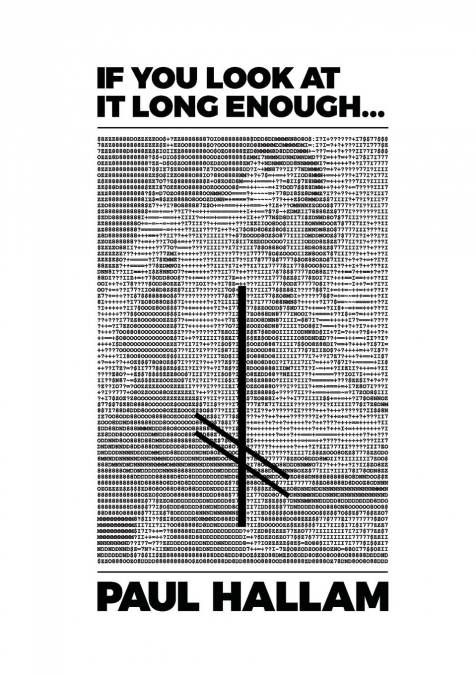
  • If you look at it long enough...
    Paul Hallam
    Originally written for an academic journal, If you look at it long enough... is primarily a personal account of Paul Hallam’s recollections of “self-abuse” through the consumption of porn over several decades. Challenging the familiar form of an “academic essay,” this autobiographical narrative raises several questions in relation to our contemporary morals related to sex in ge...
    Disponible

    11,30 €

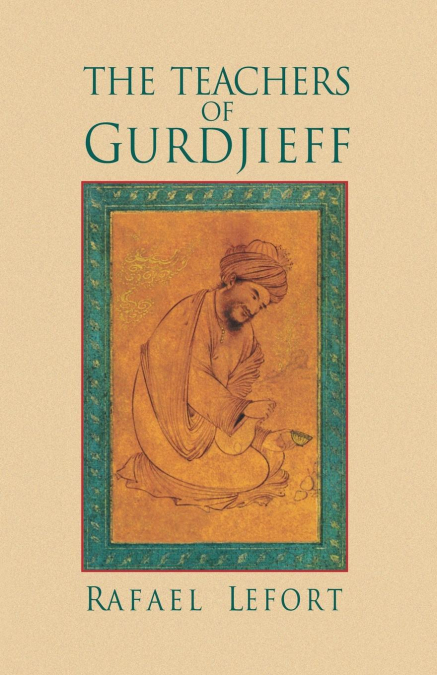
  • The Teachers of Gurdjieff
    Rafael Lafort / Rafael Lefort
    When The Teachers of Gurdjieff was first published more than 50 years ago, it made a considerable stir. George Ivanovich Gurdjieff had been one of the most famous mystics in the West in the first half of the 20th century - a teaching master who had many fashionable and influential pupils. He had a striking appearance and manner of teaching, and his teaching proved to be very in...
    Disponible

    20,45 €

  • Manifesto of the Communist Party
    Karl Marx
    The Communist Manifesto was first published on February 21, and it is one of the world’s most influential political tracts. Commissioned by the Communist League and written by communist theorists Karl Marx and Friedrich Engels, it laid out the League’s purposes and program. The Manifesto suggested a course of action for a proletarian (working class) revolution to overthrow the ...
  • The Art of Literature
    Arthur Schopenhauer
    Collected here are eight short essays, On Authorship, On Style, On the Study of Latin, On Men of Learning, On Thinking for Ones Self, On Criticism, On Reputation, On Genius, by the world renowned philosopher Arthur Achopenhauer. ...

Otros libros del autor

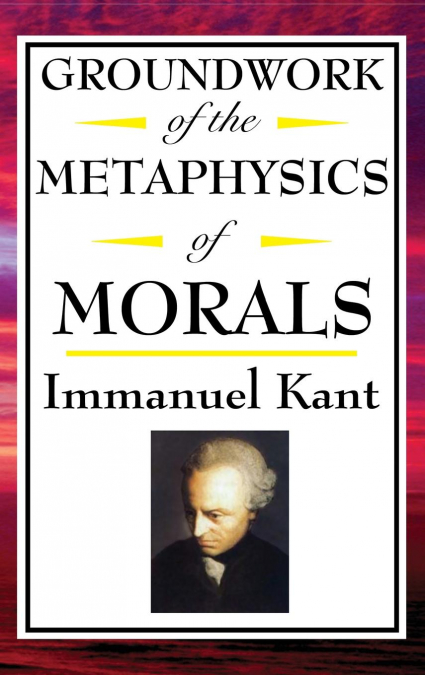
  • Kant
    Immanuel Kant
    Kant’s Groundwork of the Metaphysics of Morals is one of the most important works in modern moral philosophy. It belongs beside Plato, Aristotle, Machiavelli, and Hobbes. Here Kant sets out to articulate and defend the Categorical Imperative - the fundamental principle that underlies moral reasoning - and to lay the foundation for a comprehensive account of justice and human vi...
  • Critique of Pure Reason
    Immanuel Kant
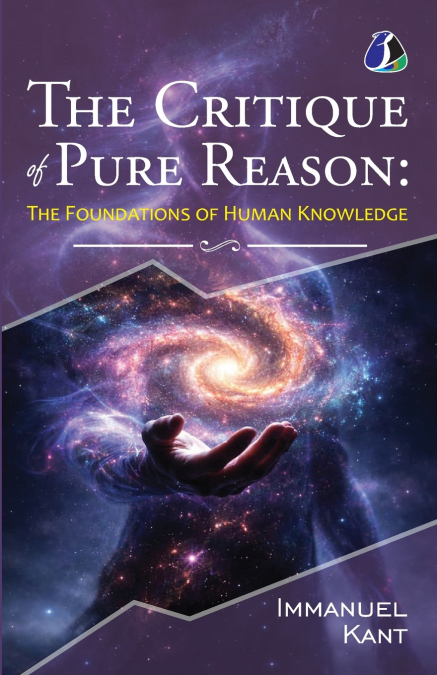
    'Critique of Pure Reason' by Immanuel Kant is a foundational work of philosophy that radically redefines how we understand knowledge, reality, and the limits of human reason.First published in 1781, Kant investigates how our minds shape experiences, introducing the concept that space and time are not properties of the external world, but forms of human intuition. He distinguish...
    Disponible

    30,43 €

  • Critique of Judgement
    Immanuel Kant
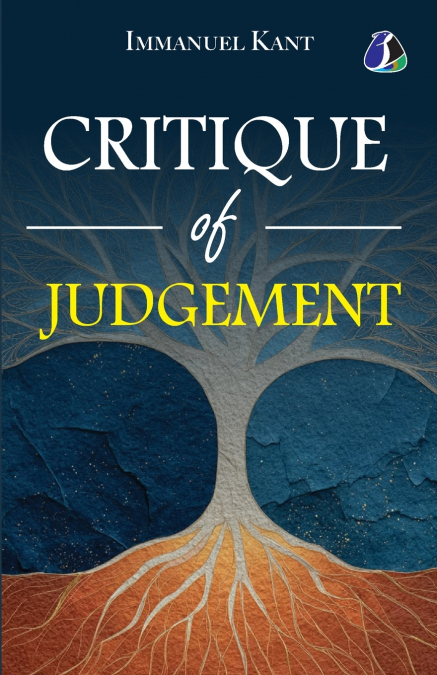
    Immanuel Kant’s influential philosophical treatise Critique of Judgement, originally published in 1790, constituting Kant’s major contributions to the fields of aesthetics and teleology. Critique of Judgement is the third of Kant’s critiques and is divided into two main sections: the Critique of Aesthetic Judgment and the Critique of Teleological Judgment, and also includes a l...
    Disponible

    23,02 €

  • Three Critiques
    Immanuel Kant
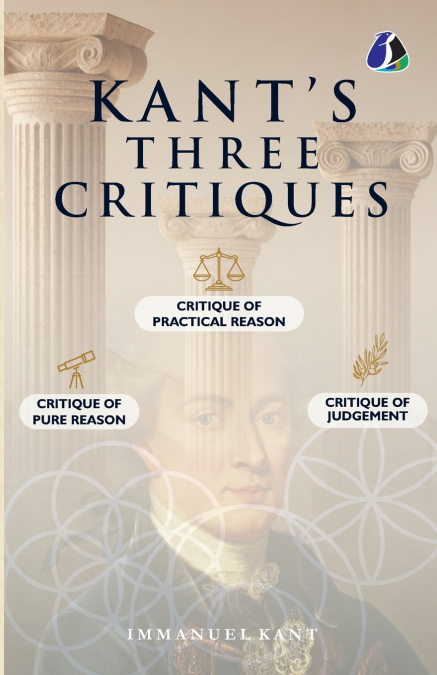
    In 'Kant’s Three Critiques,' Immanuel Kant presents a foundational exploration of Human Knowledge, Ethics, and Aesthetics through his seminal texts: the 'Critique of Pure Reason,' 'Critique of Practical Reason,' and 'Critique of Judgment.'In one volume, all three of Immanuel Kant’s Critiques -- monumental works that marked the beginning of modern Western philosophy:Critique of ...
    Disponible

    51,67 €

  • Complete Works of Immanuel Kant
    Immanuel Kant
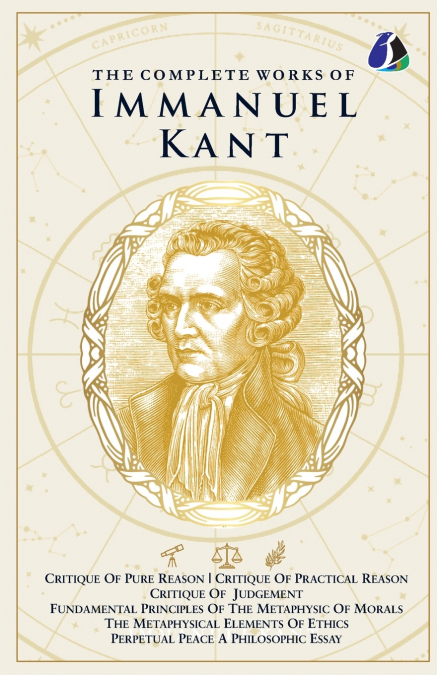
    Immanuel Kant’s corpus revolutionizes Western philosophy by establishing a system of Transcendental Idealism and deontological ethics. He argues that while sensory experience provides raw data, the human mind actively structures this input using innate, a priori concepts, thereby shaping our perception of reality while limiting our knowledge strictly to the observable world.Inc...
    Disponible

    57,05 €

  • The Metaphysical Elements of Ethics
    Immanuel Kant
    The Metaphysical Elements of Ethics is Immanuel Kant’s foundational treatise on moral philosophy. It establishes ethics on pure reason rather than empirical desires, arguing that moral duties are unconditional commands (Categorical Imperatives). Kant introduces a strictly deontological framework, where the moral worth of an action is determined by intention and duty, not by its...
    Disponible

    9,10 €