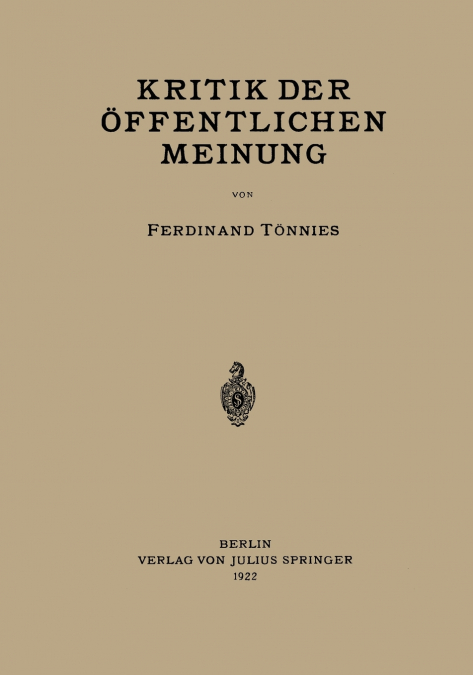

Kritik Der Offentlichen Meinung

Kritik Der Offentlichen Meinung

Ferdinant Tonnies

93,69 €
IVA incluido
Disponible
Editorial:
Springer Nature B.V.
Año de edición:
1922
Materia
Estudios de comunicación
ISBN:
9783642517716
93,69 €
IVA incluido
Disponible

Selecciona una librería:

  • Librería Samer Atenea
  • Librería Aciertas (Toledo)
  • Kálamo Books
  • Librería Perelló (Valencia)
  • Librería Elías (Asturias)
  • Donde los libros
  • Librería Kolima (Madrid)
  • Librería Proteo (Málaga)

Am r. März 1907 wurde mir vom Herrn Verlagsbuchhändler und Schriftsteller O. HAERING - der angesehene Verlag ist seitdem auf die Firma J ULIUS SPRINGER übergegangen - der Antrag gestellt, ein Werk über die öffentliche Meinung zu verfassen. Herr HAERING machte mich auf das damals neue Buch von GABRIEL TARDE 'L’opinion et la foule' aufmerksam; ihn habe Herr Professor GEORG JELLINEK darauf hingewiesen. Ich schätzte seit vielen Jahren T ARDE s Schriften hoch, wußte aber auch, daß unsere wissenschaftlichen Voraussetzungen, insbesondere die soziologischen, ziemlich weit voneinander entfernt waren; Herr HAERING selber sprach-die Ansicht aus, ein deutsches Buch über die öffentliche Meinung müsse anders gestaltet sein. Ich willigte ein, ein solches zu verfassen; den Gegenstand hatte ich schon in meiner Schrift 'Gemeinschaft und Gesellschaft' (1887) zu be­ rühren gewagt, indem ich den Begriff der öffentlichen Meinung in meine Lehre vom sozialen Willen aufnahm. Meine Zurüstungen zu dem Werke waren während der nächsten Jahre durch vermehrte akademische Tätigkeit, die der Statistik und Sozialökonomik galt, dann zumal durch den Weltkrieg und die Pflichten, die er auch dem Gelehrten auferlegte, gehemmt worden. Dennoch begann ich im Jahre I9I5, das Werk zu schreiben, und habe seitdem bis zum Herbst 1921 darin fortgefahren, wenngleich mehrmals durch größere und kleinere Arbeiten, die aus den Nöten der Zeit entsprangen, Unter­ brechungen eingetreten sind. Zu diesen Arbeiten rechne ich auch das kleine Buch 'MARx’ Leben und Lehre' (Jena I921).
Artículos relacionados

  • Analyzing Language and Humor in Online Communication
    Misunderstandings in technology-mediated communication can be due to a lack of tone and facial expression on the part of the speaker, which provide additional context clues into the meaning of the message beyond textual representation. As technology becomes more of a ubiquitous element in our interactions with one another, further study into the ways in which language and humor...
  • Defining Identity and the Changing Scope of Culture in the Digital Age
    Since the popularization of Internet technologies in the mid-1990s, human identity and collective culture has been dramatically shaped by our continued use of digital communication platforms and engagement with the digital world. Despite a plethora of scholarship on digital technology, questions remain regarding how these technologies impact personal identity and perceptions of...
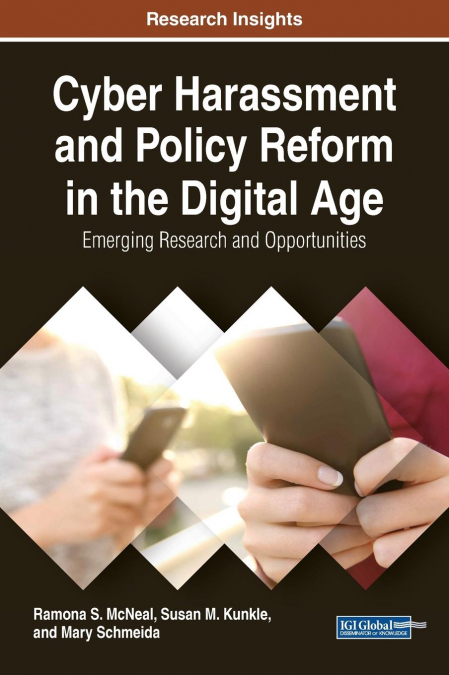
  • Cyber Harassment and Policy Reform in the Digital Age
    Mary Schmeida / Ramona S. McNeal / Ramona SMcNeal / Susan M. Kunkle / Susan MKunkle
    ...
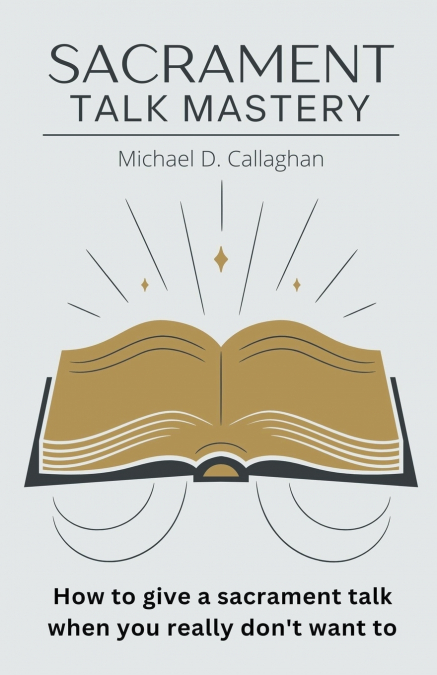
  • Sacrament Talk Mastery
    Michael D Callaghan
    Master Your Fears: Unleash Your Potential in Sacrament Talks Even When Nervous or ReluctantAre you a member of The Church of Jesus Christ of Latter-day Saints looking to improve your public speaking skills, specifically for giving sacrament talks, even when you’re feeling anxious? Sacrament Talk Mastery: How to Give a Sacrament Talk When You Really Don’t Want To is the perfect ...
    Disponible

    13,22 €

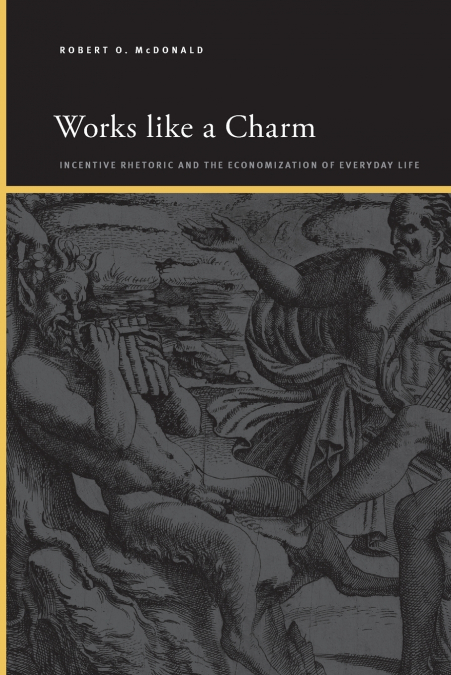
  • Works like a Charm
    Robert O. McDonald
    Breaks the spell of economic thought by interrogating the widespread language and logic of 'incentives' in public life from a Lacanian perspective.Works like a Charm addresses a simple question: Why are 'incentives' everywhere now? From inducements to work harder at our jobs to tax rebates for corporations, 'incentive' names a general theory of motivation-according to economist...
    Disponible

    49,70 €

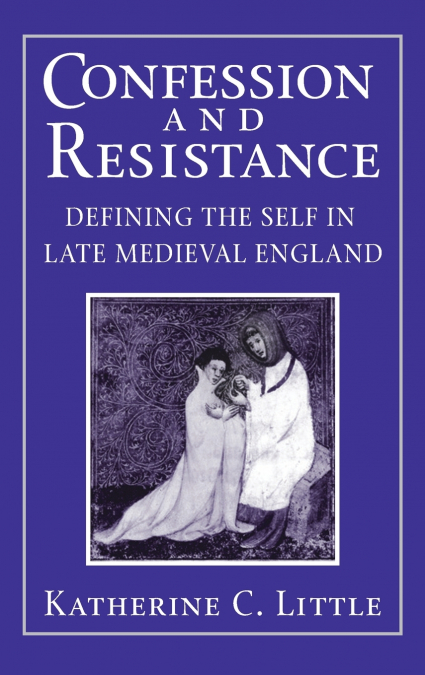
  • Confession and Resistance
    Katherine C. Little
    In this study of Wycliffism (or Lollardy), Little explores the relation between confession and the language of medieval selfhood. She then reevaluates the impact of Wycliffite ideas in selections of medieval literature that include confession as a theme. ...

Otros libros del autor