 Librería Samer Atenea
 Kálamo Books
 Librería Elías (Asturias)
 Librería Kolima (Madrid)
 Librería Proteo (Málaga)
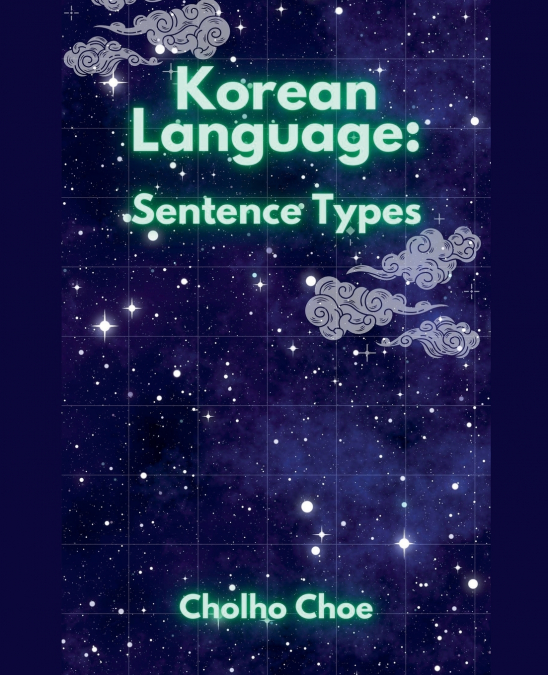
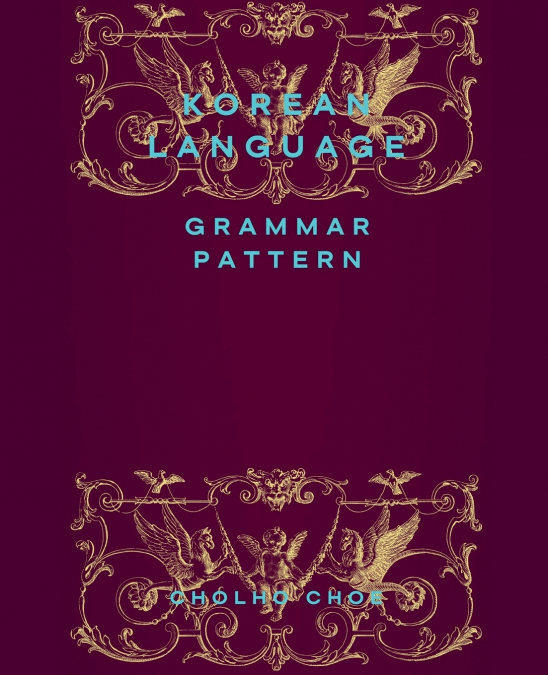
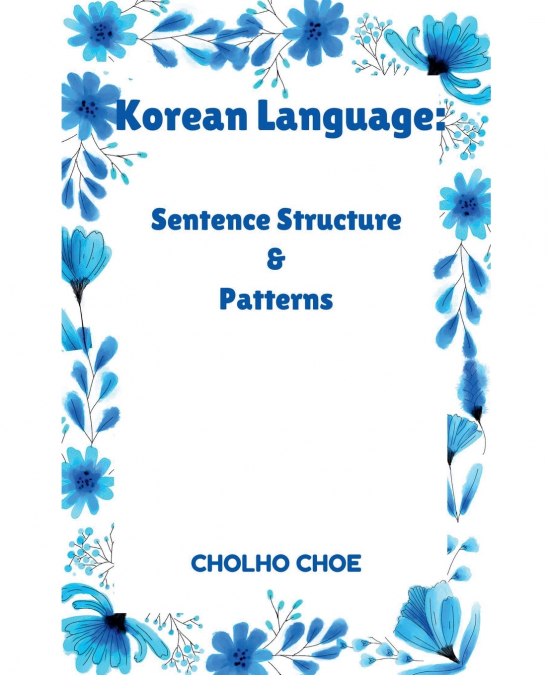
Korean Language: Sentence Structure and Patterns 1. This book consists of 12 UNITS:UNIT 1. SUBJECT + ACTION VERBUNIT 2. SUBJECT + NOUN as subject complement + STATIC VERBUNIT 3. SUBJECT + ADJECTIVE or PRESENT PARTICLE as subject complement +STATIC VERBUNIT 4. SUBJECT + OBJECT + VERBUNIT 5. SUBJECT + LOCATION + STATIC or ACTION VERBUNIT 6. SUBJECT + DIRECTION + DIRECTION VERBUNIT 7. SUBJECT + INDIRECT OBJECT + DIRECT OBJECT + VERBUNIT 8. SUBJECT + OBJECT + OBJECT COMPLEMENT + CAUSATIVE VERBUNIT 9. SUBJECT + OBJECT + OBJECT COMPLEMENT + VERB of THINKINGUNIT 10. SUBJECT + OBJECT + OBJECT COMPLEMENT + VERB of PERCEPTIONUNIT 11. SUBJECT + OBJECT + OBJECT COMPLEMENT + VERB of REQUESTUNIT 12. SUBJECT + OBJECT (time or money) + (ON) PRESEENT PARTICLE + VERB (to spend) 2. Most Korean sentences belong to one of the sentence patterns presented above. Very detailed and systematic descriptions were provided on how to translate English into Korean and create Korean sentences. Readers of this book will be able to create any Korean sentences which fit those patterns. 3. Each sentence pattern has its own word order. This book is focused on learning how words should be appropriately arranged in order to fit each sentence pattern. This book provides the pinpoint description and knowledge on how words are arranged in accordance with a sentence pattern. 4. This book is so learner-centered that self-study is fully available. Sufficient examples and exercises and detailed explanation will also help understand the concept of Korean language structure all by himself or herself. 5 The series of Korean Language: Grammar Pattern and Korean Language: Sentence Types has been previously published. Creating sentences is the final stage of learning a foreign language. It will be of great help to refer to those books in order to avoid any ambiguity that may arise during the course of creating Korean sentences.