Inicio > Lenguas > Lenguaje: consulta y general > Kingship in Anglo-Saxon England. A Comparison of Oswald and Edmund as Royal Saints
Kingship in Anglo-Saxon England. A Comparison of Oswald and Edmund as Royal Saints

Kingship in Anglo-Saxon England. A Comparison of Oswald and Edmund as Royal Saints

Kingship in Anglo-Saxon England. A Comparison of Oswald and Edmund as Royal Saints

Harry Altmann

14,71 €
IVA incluido
Disponible
Editorial:
GRIN Publishing
Año de edición:
2015
Materia
Lenguaje: consulta y general
ISBN:
9783656928034
14,71 €
IVA incluido
Disponible

Selecciona una librería:

  • Librería Samer Atenea
  • Librería Aciertas (Toledo)
  • Kálamo Books
  • Librería Perelló (Valencia)
  • Librería Elías (Asturias)
  • Donde los libros
  • Librería Kolima (Madrid)
  • Librería Proteo (Málaga)

Seminar paper from the year 2013 in the subject English Language and Literature Studies - Culture and Applied Geography, University of Münster (Anglistik), language: English, abstract: The basic form of society in Anglo-Saxon England was a kingdom. Over the centuries the movement was away from many small units to larger kingdoms controlling greater populations. The first kings were pagan and when Christianity became established the Christian kings kept many of the characteristics of their pagan forebears. The Christian kings continued to be primarily military leaders. A cult of martyrs arose in Anglo-Saxon England which included Christian kings who had died either in battle or in defence of Christianity. Other royal saints followed a different path to sainthood by leading exemplary Christian lives. Many saints' lives composed in Latin circulated in Anglo-Saxon England but it was the monk and author Ælfric of Eynsham who translated a collection of saints' lives into Old English. In particular this paper will deal with the lives of St Edmund and St Oswald. After a brief introduction to the lives of these two saints an analysis of the two concepts of vita and passio follows. Then the general and syntactic linguistic structure of both texts is examined. Finally a comparison of the deaths of St Oswald and St Edmund illustrates the difference in approach of these writings.
Artículos relacionados

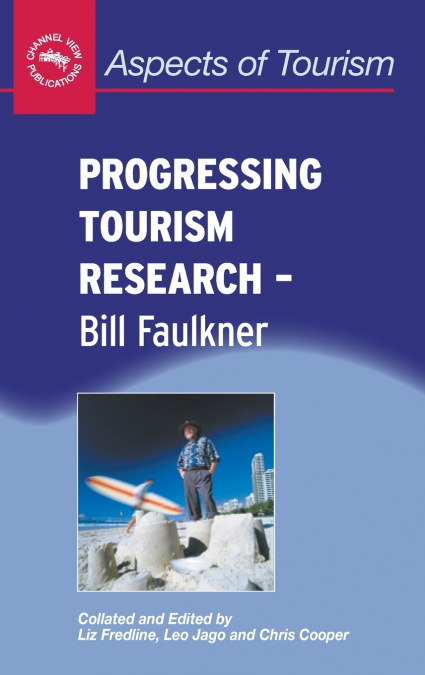
  • Progressing Tourism Research - Bill Faulkner
    Professor Bill Faulkner was the father of tourism research in Australia, having spent 20 years in the field, first within government and then in academe. He was a visionary whose impact on the tourism research field extended well beyond Australia. This book contains a collection of Bill’s publications grouped thematically under the headings Methods, Events, Destinations, and Re...
    Disponible

    51,23 €

  • The Cambridge Handbook of Experimental Syntax
    Grant Goodall
    ...
    Disponible

    76,23 €

  • Progressing Tourism Research - Bill Faulkner
    Professor Bill Faulkner was the father of tourism research in Australia, having spent 20 years in the field, first within government and then in academe. He was a visionary whose impact on the tourism research field extended well beyond Australia. This book contains a collection of Bill’s publications grouped thematically under the headings Methods, Events, Destinations, and Re...
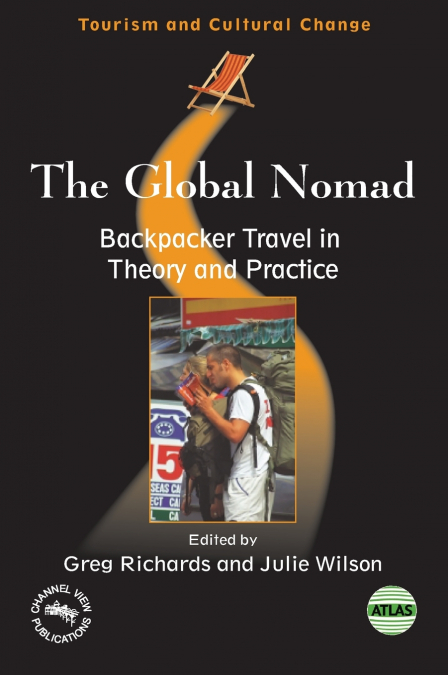
  • The Global Nomad
    Backpackers have shifted from the margins of the travel industry into the global spotlight. This volume explores the international backpacker phenomenon, drawing together different disciplinary perspectives on its meaning, impact and significance. Links are drawn between theory and practice, setting backpacking in its wider social, cultural and economic context. ...
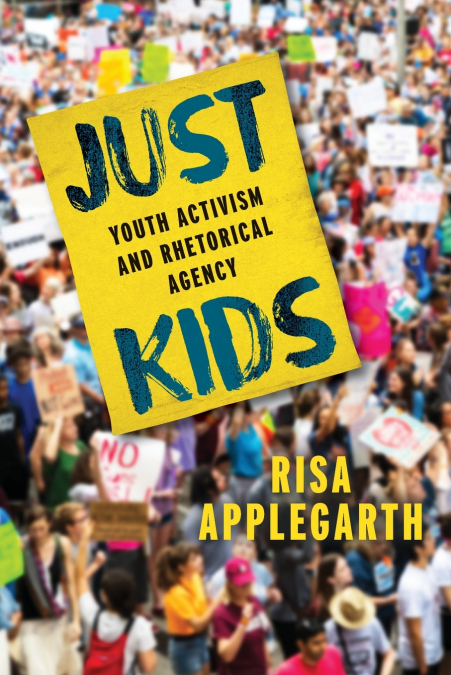
  • Just Kids
    Risa Applegarth
    Although children have prompted and participated in numerous acts of protest and advocacy, their words and labors are more likely to be dismissed than discussed as serious activism. Whether treated disparagingly by antagonistic audiences or lauded as symbols of hope by sympathetic ones, children and teens are rarely considered capable organizers and advocates for change. In Jus...
    Disponible

    44,88 €

  • Just Kids
    Risa Applegarth
    Although children have prompted and participated in numerous acts of protest and advocacy, their words and labors are more likely to be dismissed than discussed as serious activism. Whether treated disparagingly by antagonistic audiences or lauded as symbols of hope by sympathetic ones, children and teens are rarely considered capable organizers and advocates for change. In Jus...