Inicio > Humanidades > Religión y creencias > Budismo > Khingila vs. Buddhist Caves
Khingila vs. Buddhist Caves

Khingila vs. Buddhist Caves

Khingila vs. Buddhist Caves

Rajesh Kumar Singh

24,03 €
IVA incluido
Consulta disponibilidad
Editorial:
Hari Sena Press Private Limited
Año de edición:
2020
Materia
Budismo
ISBN:
9788192510781

Selecciona una librería:

  • Librería Samer Atenea

  • Kálamo Books
  • Librería Elías (Asturias)
  • Librería Kolima (Madrid)
  • Librería Proteo (Málaga)

This monograph is meant for the researchers of South Asian studies with a focussed interest on the history and art of the late fifth century CE.The new study proposes a reconstructive chronology of the times. It clarifies that the fifth-century rock-cut monuments of India were all Buddhist with only a few exceptions. The excavations had begun in the peaceful times of circa 461/462 CE. However, by circa 480 CE all the cave temples were abandoned even before completion. The study re-examines the cause of the abandonment and presents some new revelations.It was ca. 465 CE when the Hephthalite Hūṇs attacked the Early Alchon Hūṇs in the Greater Gandhāra region forcing the Buddhist monks to disperse inter alia towards the Deccan, which was then peaceful. ManyBuddhist rock-cut sites were flourishing there under the Gupta-Vākāṭaka-Traikūṭakas: Bagh, Ajanta, Ellora, Mahāḍ, Dhārāśiva (Jain), Banoṭī, Ghaṭotkaca, Nasik, Loṇāḍ, Kondavite, and Kanheri.The ousted Alchons led by Mahāṣāhi Khīṅgīla (r. ca. 440 to 492–496 CE) advanced into India and came up to the Narmada-Tapti valleys. The new intrusions witnessed many battles, particularly those of ca. 469, 472, and 477 CE wherein many great Indian emperors and kings were perished: Kumāragupta I, Nāgabhaṭa, Ghaṭōtkacagupta, Skandagupta, Narasimhagupta, Narendra Sena, Ravisāmba, Kumāragupta II, Hari Ṣeṇa, and Dahrasena.These disturbances in India now forced the migrant Gandhāran and the resident Deccani monks to escape to distant lands including Kucha in Central Asia. Consequently, there was catalysed the Kuchean Period III, which witnessed the introduction of many Gandhāran and Deccani ideas.Finally Buddhagupta ousted the Alchons in ca. 478 CE. The persistent defeat had taught the Alchons a lesson. They now imbibed the Indian values of liberalism as statecraft, which allowed them unobstructed rule for the next one century and two decades (ca. 479–ca. 600 CE) when they ruled from Greater Gandhāra to the Narmada valley.The new picture comes out when we attempt to synchronise and iron out the anachronisms from the known chronologies of the Early Alchons, Early Guptas, Vākāṭakas, Traikūṭakas, Gandhāra, and the rock-cut monuments of India and Kucha in the late 5th century CE. It is revealed that the monasteries were abandoned due to the attacks by the Early Alchon Hūṇs.
Artículos relacionados

  • Kho tàng các giáo huấn siêu việt
    Orgyen Kusum Lingpa / Liên Hoa
    Hiện thân vinh quang sự toàn thiện nguyên thủy của hai tích tập và sự thuần tịnh bổn nguyên của hai che chướng được biểu lộ như trạng thái toàn thiện nguyên sơ, Đức Phật nguyên thủy Samantabhadra (Phổ Hiền). Sự xuất hiện của quang minh chói lọi và lòng bi mẫn không chướng ngại này được phô diễn như các hiện thân giác ngộ lẫn trí tuệ nguyên thủy. Nó hiển lộ như vô số cảnh giới t...
    Disponible

    9,45 €

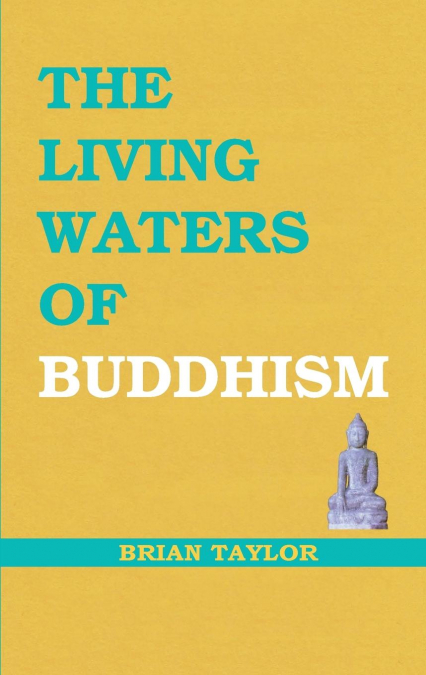
  • The Living Waters of Buddhism
    Brian F. Taylor / Brian FTaylor
    Buddhism is the cool water of the Universe. It is refreshing. It sustains the Holy life. It revives the parched Heart of man.''The purpose of the Holy Life, its goal, is unshakeable liberation of mind.'' Buddha: Middle Length Sayings, Sutta 29. (This booklet is included in Basic Buddhism for a World in Trouble.) ...
    Disponible

    5,27 €

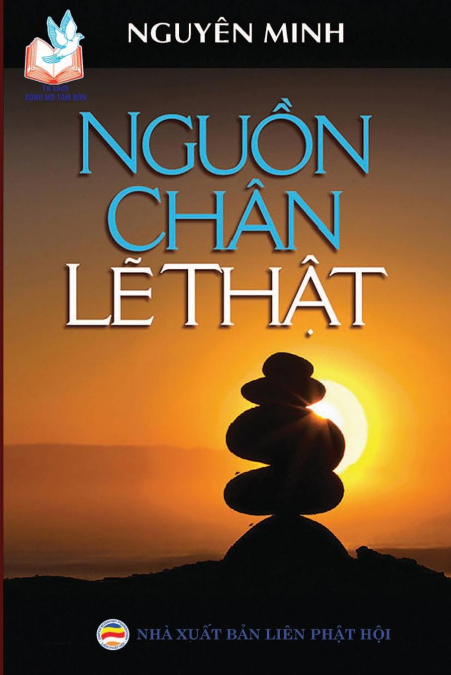
  • Nguồn chân lẽ thật
    Nguyên Minh
    Như một nguồn nước chảy ra muôn dòng nước, nếu nguồn nước ấy bị nhiễm bẩn, mọi dòng nước cũng đều ô nhiễm không dùng được. Nếu nguồn nước được giữ cho trong sạch, thanh khiết, thì mọi dòng nước từ đó chảy ra đều sẽ là những dòng nước trong trẻo, mát lành. Cũng vậy, việc gìn giữ một tâm thức trong sáng, hiền thiện chính là cội nguồn chân thật để từ đó khởi sinh hết thảy mọi việc...
    Disponible

    7,51 €

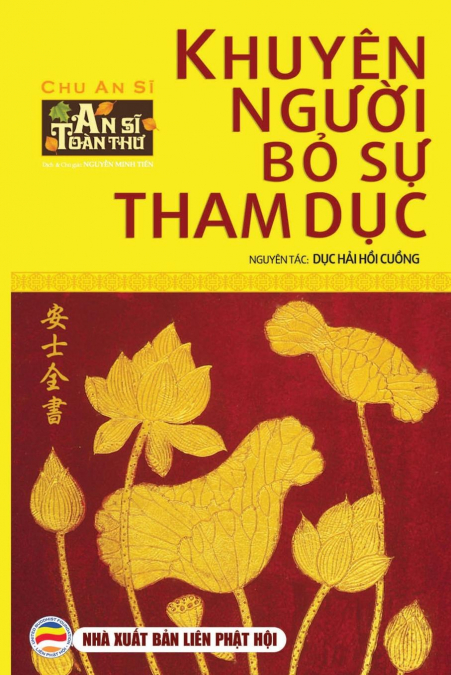
  • Khuyên người bỏ sự tham dục
    Nguyễn Minh Tiến
    Sách này được phân làm ba quyển. Quyển thứ nhất sưu tầm các tích truyện xưa, nhằm khơi dậy tâm niệm răn ngừa sự dâm dục. Quyển thứ hai phân tích chi tiết lý lẽ, nhằm khai mở, trình bày rõ về phương pháp, cách thức để răn ngừa sự dâm dục. Quyển thứ ba gồm các phần hỏi đáp, nhằm củng cố vững chắc căn bản của sự răn ngừa dâm dục. Trình bày như thế là để đi dần từ cạn đến sâu, khôn...
    Disponible

    13,19 €

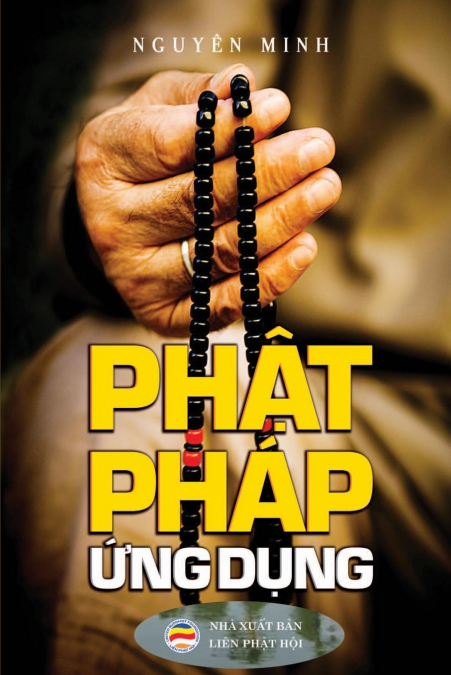
  • Phật pháp ứng dụng
    Nguyên Minh
    Chuyên mục Phật pháp ứng dụng được hình thành trên website Rộng Mở Tâm Hồn (www.rongmotamhon.net) từ giữa năm 2016, nhằm giải đáp nhiều thắc mắc từ độc giả gửi về cho chúng tôi, thay thế cho hình thức trả lời bằng thư riêng vẫn sử dụng từ nhiều năm qua. Bằng cách này, chúng tôi có thể cùng lúc trả lời nhiều độc giả và cũng có thể hệ thống các vấn đề thành những nhóm chủ đề chun...
    Disponible

    8,63 €

  • The Ancient Egyptian Buddha
    Muata Ashby
    This book, 'The Ancient Egyptian Buddha: The Ancient Egyptian Origins of Buddhism,' explores the historical and spiritual connections between Ancient Egyptian religion and Buddhism. Authored by Reginald Muata Abhaya Ashby, a respected scholar in African spirituality and ancient religions, the book delves into the intricate relationships and shared philosophies that have shaped ...
    Disponible

    16,03 €

Otros libros del autor

  • Periodisation of Rock-cut Monuments of India
    Rajesh Kumar Singh
    This monograph is meant for advanced researchers of South Asian architecture of the ancient times. Here you will find a novel periodisation system to better understand how the rock-cut architecture developed across time.Many unknown and lesser known facts will be found here suggesting that the rock-cut monuments of India developed through eight periods and five intervals. Data ...
  • Ajanta Cave No. 1
    Rajesh Kumar Singh
    The monograph contains 15 Buddhist legends painted on the walls of Ajanta Cave No. 1 in the latefifth centry CE. All episodes of the stories are arranged in the same way as the painters painted them.It is a compendium of the ancient paintings systematically documented for the first time with colourphotographs.The monograph covers 14 of the total 15 narrative paintings of Cave 1...