K. Michael Hays

K. Michael Hays

K. Michael Hays

11,44 €
IVA incluido
Disponible
Editorial:
Ediciones ARQ
Año de edición:
2017
Materia
Ética y filosofía moral
ISBN:
9789569946059
11,44 €
IVA incluido
Disponible

Selecciona una librería:

  • Librería Samer Atenea

  • Kálamo Books
  • Librería Elías (Asturias)
  • Librería Kolima (Madrid)
  • Librería Proteo (Málaga)

’Most people think of architecture as a very concrete and material medium; but in fact architecture is also one of the most complex perceptual medium—it is constantly changing, constantly moving, and is constantly asking to be experienced in time. In the three essays contained in this book—“Of Mirrors and Ashes”, “Architecture’s Appearance and the Practices of Imagination” and “Materiality of Figure, Figures of Materiality”—Hays offers a more robust way of perceiving architecture—a way of conceiving it in its richness and complexity and also its social importance. As the author points out: “Architecture is a fundamental human postulate. It is something that we need as a society, as a collective group, to understand our place in the world. And what this book does is offer examples and models of how architecture helps us to engage the world.”La mayoría de la gente piensa en la arquitectura como un medio muy concreto y material; pero en realidad la arquitectura es también uno de los medios perceptivos más complejos: está constantemente cambiando, constantemente moviéndose, y está pidiendo constantemente ser experimentada en el tiempo. En los tres ensayos contenidos en este libro – “De espejos y cenizas”, “La aparición de la arquitectura y las prácticas de la imaginación” y “Materialidad de la figura, figuras de la materialidad” – Hays ofrece una forma más robusta de percibir la arquitectura. Una forma de concebirla en su riqueza y complejidad y también su importancia social. Tal como indica su autor: “La arquitectura es un postulado humano fundamental. Es algo que necesitamos como sociedad, como grupo colectivo, para entender nuestro lugar en el mundo. Y lo que este libro hace es ofrecer ejemplos y modelos de cómo la arquitectura nos ayuda a incorporar al mundo”. 10
Artículos relacionados

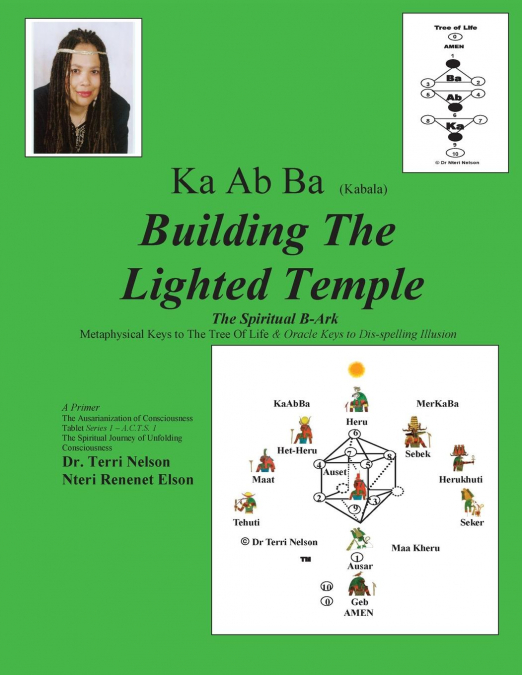
  • Ka Ab Ba Building The Lighted Temple
    Dr Terri R. Nelson / Dr Terri RNelson
    The book KaAbBa Building The Lighted Temple/Metaphysical Keys to the Tree of Life draws a circle that is inclusive of the Afrikan origin of the Ancient Kemetic/Egyptian wisdom. It reveals the undeniable root and link of Ancient Africa to all the religious systems that would develop worldwide. This book is explosive in its power to convey the meaning of KaAbBa, the Medu Neter  (...
    Disponible

    37,41 €

  • Technoethics and the Evolving Knowledge Society
    Rocci Luppicini
    Recently, there has been a major push to rediscover the ethical dimension of technology across the sciences, social sciences, and humanities. Technoethics and the Evolving Knowledge Society: Ethical Issues in Technological Design, Research, Development, and Innovation examines human processes and practices connected to technology embedded within social, political, and moral sph...
  • Kant
    Immanuel Kant
    Kant’s Groundwork of the Metaphysics of Morals is one of the most important works in modern moral philosophy. It belongs beside Plato, Aristotle, Machiavelli, and Hobbes. Here Kant sets out to articulate and defend the Categorical Imperative - the fundamental principle that underlies moral reasoning - and to lay the foundation for a comprehensive account of justice and human vi...
  • On the Duty of Civil Disobedience
    HENRY DAVID THOREAU
    Civil Disobedience argues that citizens should not permit their governments to overrule their consciences, and that they have a duty to avoid allowing their acquiescence to enable the government to make them the agents of injustice. Thoreau was motivated in part by his disgust with slavery and the Mexican-American War, but the sentiments he expresses here are just as pertinent ...
  • Beyond Good and Evil
    Friedrich Nietzsche
    Nietzsche, though primarily a philosopher, wrote widely on art, philology, history, religion, tragedy, culture, and science.  In 1886, at the height of his powers, he published Beyond Good and Evil.  Here he examines much of the best of human thought--dogmatic philosophy, Judeo-Christian morality, science and democracy – and finds it lacking.  Rejecting “slave-morality” he pres...
  • Beyond Good and Evil
    Friedrich Nietzsche
    Nietzsche, though primarily a philosopher, wrote widely on art, philology, history, religion, tragedy, culture, and science.  In 1886, at the height of his powers, he published Beyond Good and Evil.  Here he examines much of the best of human thought--dogmatic philosophy, Judeo-Christian morality, science and democracy – and finds it lacking.  Rejecting “slave-morality” he pres...
    Disponible

    9,99 €