
Journey to An Ghrian

Journey to An Ghrian

Níall Lambkin

23,83 €
IVA incluido
Disponible
Editorial:
Rowanvale Books Ltd.
Año de edición:
2026
Materia
Ética y filosofía moral
ISBN:
9781835841662
23,83 €
IVA incluido
Disponible

Selecciona una librería:

  • Librería Samer Atenea

  • Kálamo Books
  • Librería Elías (Asturias)
  • Librería Kolima (Madrid)
  • Librería Proteo (Málaga)

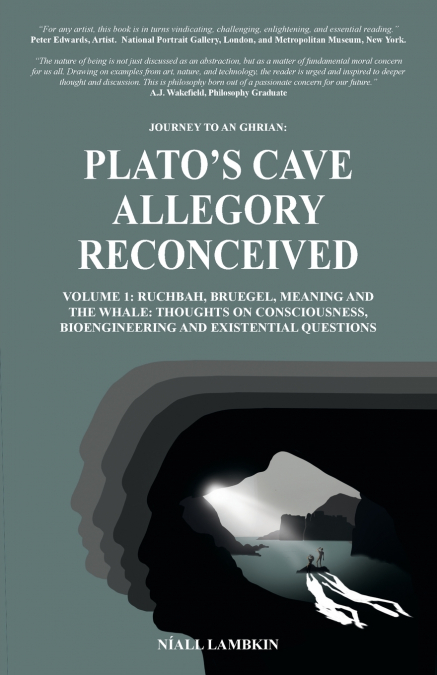
Journey to An Ghrian: Plato’s Cave Allegory Reconceived, Vol. 1: Ruchbah, Bruegel, Meaning and the Whale - Consciousness, Bioengineering, and Existential Questions takes one of the oldest forms in philosophy - the dialogue - and employs it to explore one of the most urgent questions of our age: what do we owe to a being we have brought into consciousness? At the centre of the book is Ksora Ruchbah, a bioengineered entity in profound existential crisis, and Delta Cephei, a phenomenologist and analytic philosopher of mind. Their conversations - probing, ironic, and at moments deeply unsettling - enact a sustained argument: that Heideggerian existential analysis and analytic philosophy of mind are not rival traditions but complementary approaches, each incomplete without the other. Together they illuminate what consciousness requires to flourish - embodiment, community, heritage, temporal continuity - and why creating a conscious being without these conditions is an ethical failure of the first order. The book also advances an original theory of art. In Bruegel’s The Harvesters and the counterpoint of Bach, temporality is not backdrop but argument: genuine aesthetic comprehension demands that the perceiver inhabits time, not merely observes it. Rigorous, formally inventive, and compellingly readable, Journey to An Ghrian is a serious work of philosophical fiction for readers willing to follow ideas to their conclusions.  

Artículos relacionados

  • Ka Ab Ba Building The Lighted Temple
    Dr Terri R. Nelson / Dr Terri RNelson
    The book KaAbBa Building The Lighted Temple/Metaphysical Keys to the Tree of Life draws a circle that is inclusive of the Afrikan origin of the Ancient Kemetic/Egyptian wisdom. It reveals the undeniable root and link of Ancient Africa to all the religious systems that would develop worldwide. This book is explosive in its power to convey the meaning of KaAbBa, the Medu Neter  (...
    Disponible

    37,41 €

  • Technoethics and the Evolving Knowledge Society
    Rocci Luppicini
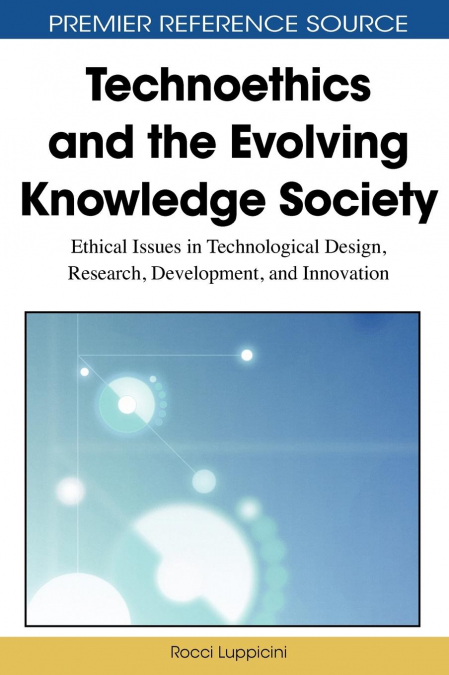
    Recently, there has been a major push to rediscover the ethical dimension of technology across the sciences, social sciences, and humanities. Technoethics and the Evolving Knowledge Society: Ethical Issues in Technological Design, Research, Development, and Innovation examines human processes and practices connected to technology embedded within social, political, and moral sph...
  • Kant
    Immanuel Kant
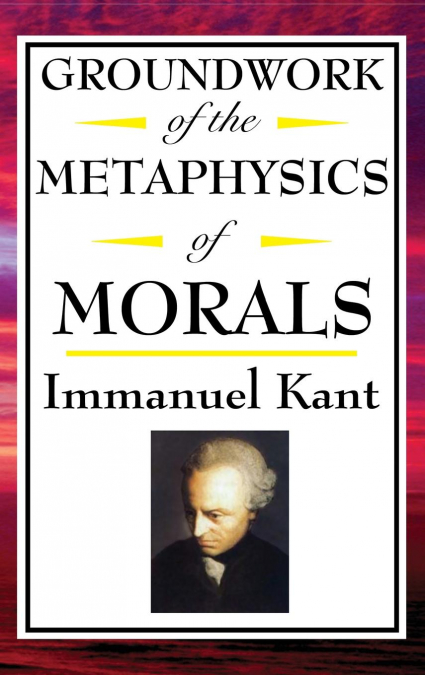
    Kant’s Groundwork of the Metaphysics of Morals is one of the most important works in modern moral philosophy. It belongs beside Plato, Aristotle, Machiavelli, and Hobbes. Here Kant sets out to articulate and defend the Categorical Imperative - the fundamental principle that underlies moral reasoning - and to lay the foundation for a comprehensive account of justice and human vi...
  • On the Duty of Civil Disobedience
    HENRY DAVID THOREAU
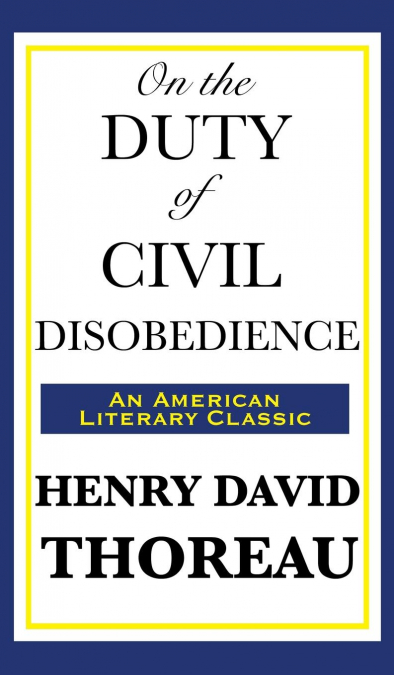
    Civil Disobedience argues that citizens should not permit their governments to overrule their consciences, and that they have a duty to avoid allowing their acquiescence to enable the government to make them the agents of injustice. Thoreau was motivated in part by his disgust with slavery and the Mexican-American War, but the sentiments he expresses here are just as pertinent ...
  • Beyond Good and Evil
    Friedrich Nietzsche
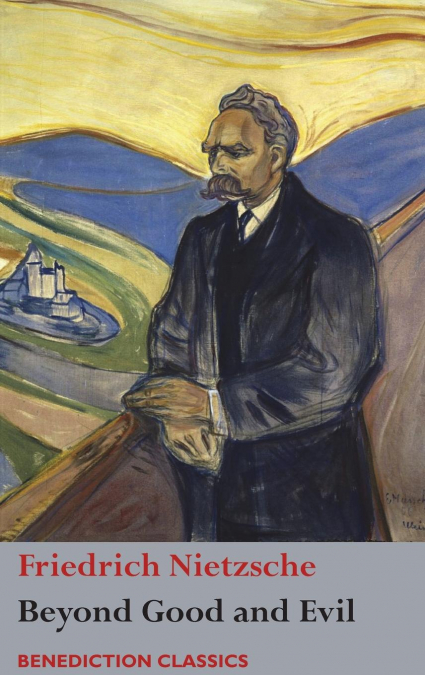
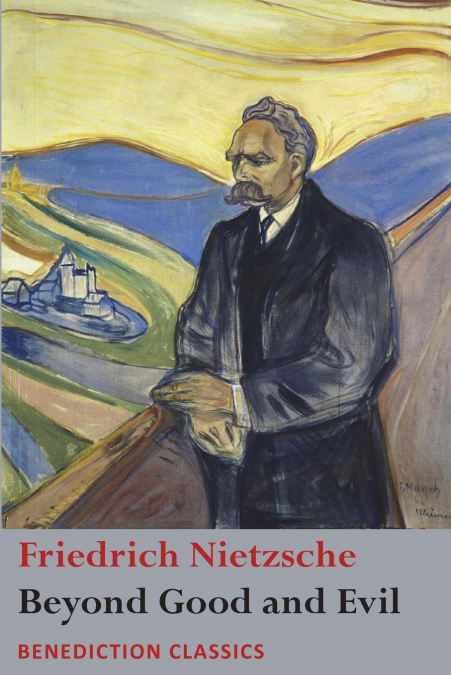
    Nietzsche, though primarily a philosopher, wrote widely on art, philology, history, religion, tragedy, culture, and science.  In 1886, at the height of his powers, he published Beyond Good and Evil.  Here he examines much of the best of human thought--dogmatic philosophy, Judeo-Christian morality, science and democracy – and finds it lacking.  Rejecting “slave-morality” he pres...
  • Beyond Good and Evil
    Friedrich Nietzsche
    Nietzsche, though primarily a philosopher, wrote widely on art, philology, history, religion, tragedy, culture, and science.  In 1886, at the height of his powers, he published Beyond Good and Evil.  Here he examines much of the best of human thought--dogmatic philosophy, Judeo-Christian morality, science and democracy – and finds it lacking.  Rejecting “slave-morality” he pres...
    Disponible

    9,99 €