Inicio > Artes > Música > John Birchensha
John Birchensha

John Birchensha

Benjamin Wardhaugh / Christopher D.S. Field

98,49 €
IVA incluido
Disponible
Editorial:
Taylor & Francis Ltd
Año de edición:
2018
Materia
Música
ISBN:
9781138376212
98,49 €
IVA incluido
Disponible

Selecciona una librería:

  • Librería Samer Atenea
  • Librería Aciertas (Toledo)
  • Kálamo Books
  • Librería Perelló (Valencia)
  • Librería Elías (Asturias)
  • Donde los libros
  • Librería Kolima (Madrid)
  • Librería Proteo (Málaga)

John Birchensha (c.1605-?1681) is chiefly remembered for the impression that his theories about music made on the mathematicians, natural philosophers and virtuosi of the Royal Society in the 1660s and 1670s, and for inventing a system that he claimed would enable even those without practical experience of music to learn to compose in a short time by means of ’a few easy, certain, and perfect Rules’-his most famous composition pupil being Samuel Pepys in 1662. His great aim was to publish a treatise on music in its philosophical, mathematical and practical aspects (which would have included a definitive summary of his rules of composition), entitled Syntagma musicæ. Subscriptions for this book were invited in 1672-3, and it was due to be published by March 1675; but it never appeared, and no final manuscript of it survives. Consequently knowledge about his work has hitherto remained extremely sketchy. Recent research, however, has brought to light a number of manuscripts which allow us at last to form a more complete view of Birchensha’s ideas. Almost none of this material has been previously published. The new items include an autograph treatise of c.1664 (’A Compendious Discourse of the Principles of the Practicall & Mathematicall Partes of Musick’) which Birchensha presented to the natural philosopher Robert Boyle, and which covers concisely much of the ground that he intended to cover in Syntagma musicæ; a detailed synopsis for Syntagma musicæ which he prepared for a meeting of the Royal Society in February 1676; and an autograph notebook (now in Brussels) containing his six rules of composition with music examples, presumably written for a pupil. Bringing all this material together in a single volume will allow scholars to see how Birchensha’s rules and theories developed over a period of fifteen years, and to gain at least a flavour of the lost Syntagma musicæ.
Artículos relacionados

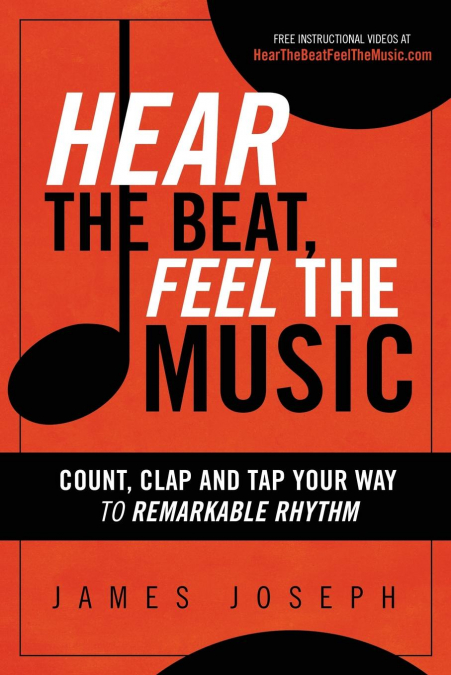
  • Hear the Beat, Feel the Music
    James Joseph
    How do you count music? What’s an 8-count? How do you find the beat in a song?This book, along with more than 20 YouTube videos, will teach you how to count music the easy way—using the 8-count, the way dancers count. If you struggle to stay on the beat, the music lessons in this book are a mini-course in how to get rhythm. Being “rhythmically challenged” is not a lack of abili...
    Disponible

    15,54 €

  • Book of Rhymes
    Romane Armand
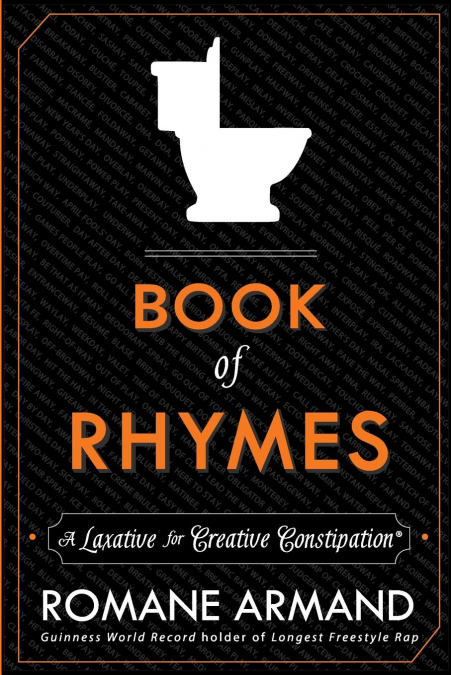
    What rhymes with Google, or Beyoncé, or better yet, what rhymes with ORANGE? This book full of words that rhyme together has all the answers! With over 50,000 rhyming entries, this essential reference tool will help songwriters, poets, and advertisers overcome writer’s block and quickly find the right rhyming word. It features slang, phrases, idioms, and pop-culture terms, not ...
    Disponible

    27,01 €

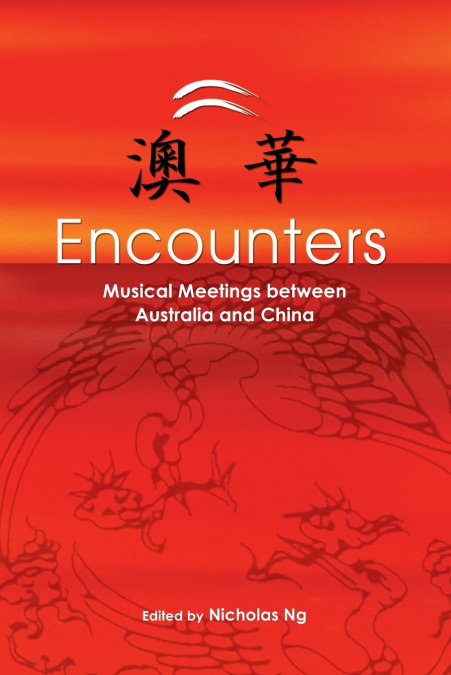
  • Encounters
    Nicholas Ng
    Addressing the themes of: music and history; tradition versus innovation; cultural diversity/intercultural creativity; and music and the related arts; this book  focuses on encounters between China and Australia from the earliest imaginings and representations to the latest cultural exchanges. Here, the reader will find of stories of forbidden love, prejudice and deceit, of ges...
    Disponible

    44,49 €

  • RIVERSONG
    Lee Underwood
    INTRODUCTIONNearly all of the poems included in Riversong are new.They are expressions of personal love, transcendentalrealization, and my deep involvement with nature and music.STREAM. . .RIVER. . .FLOW, that starts off the FOREVERSONGS Section, for example, is a journey from youth’s firstrealization of the power of music, when as a nine-year-oldboy, lying in bed, I held a pla...
    Disponible

    13,09 €

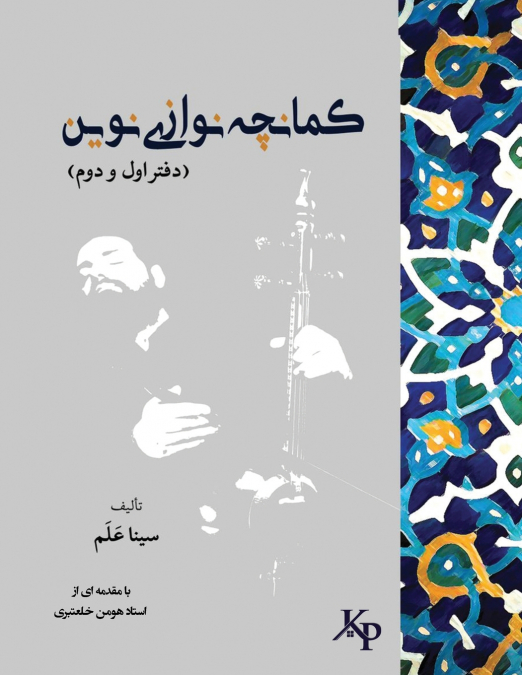
  • کمانچه نوازی نوین
    Sina Alam
    در این کتاب سعی کرده ام کمانچه را به عنوان یک ساز زهی_آرشه ای کامل و واقعی بشناسانم و تا جایی که می شود شخصیتی کششی برای آن بسازم .همچنین مقوله بسیار مهمی را که سال ها آهنگسازان و نوازندگان با آن درگیر بوده اند حل کنم-انتقالی بودن ساز کمانچه-.اشتباه بزرگی که موجب سختی در نگارش و نوازندگی می شد،نگاه انتقالی به این ساز بوده که درکتاب با نگاه بی طرفانه به حل این مشکل پُرداخته ام.ن...
    Disponible

    34,39 €

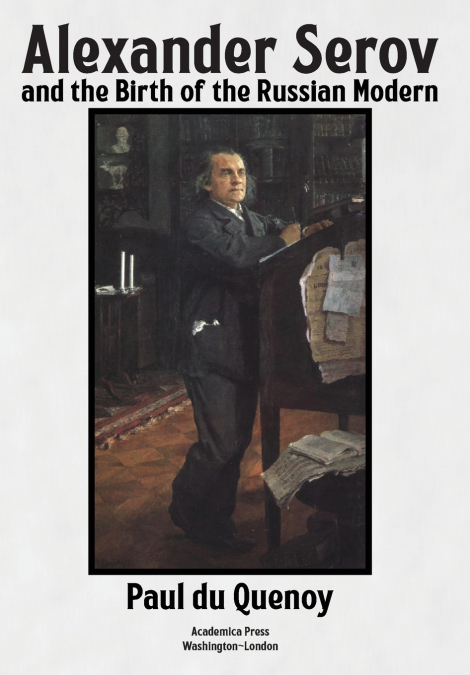
  • Alexander Serov and the Birth of the Russian Modern
    Paul du Quenoy
    When did Russia become 'modern?' Historians of Russia - including even many Russian historians - have long tried to identify Russia’s 'modern' moment. While most scholars have looked to economic or ideological transitions, noted historian and critic Paul du Quenoy approaches the problem through culture, and specifically the performing arts, as told through the prism of one of i...

Otros libros del autor

  • John Birchensha
    Benjamin Wardhaugh / Christopher D.S. Field
    John Birchensha (c.1605-1681) is chiefly remembered for the impression that his theories about music made on the mathematicians, natural philosophers and virtuosi of the Royal Society in the 1660s and 1670s, and for inventing a system that he claimed would enable even those without practical experience of music to learn to compose in a short time by means of ’a few easy, certai...