Inicio > Artes > Música > Jazz in Deutschland
Jazz in Deutschland

Jazz in Deutschland

Markus Lütticke

17,26 €
IVA incluido
Disponible
Editorial:
GRIN Publishing
Año de edición:
2008
Materia
Música
ISBN:
9783640109722
17,26 €
IVA incluido
Disponible

Selecciona una librería:

  • Librería Samer Atenea
  • Librería Aciertas (Toledo)
  • Kálamo Books
  • Librería Perelló (Valencia)
  • Librería Elías (Asturias)
  • Donde los libros
  • Librería Kolima (Madrid)
  • Librería Proteo (Málaga)

Vordiplomarbeit aus dem Jahr 2008 im Fachbereich Musikwissenschaft, Note: 1,6, Robert Schumann Hochschule Düsseldorf, 23 Quellen im Literaturverzeichnis, Sprache: Deutsch, Abstract: Sie wollen keine Walzer, weder langsame noch schnelle. Das Publikum, namentlich die jungen modernen Leute, wollen ausländische Musik und Schlager, 'heiße Foxtrotts' und Swing hören! Diese Aussage tätigte Tanzlehrer Fred Dieselhorst 1939 - in einem Jahr, als der Nationalsozialismus seine Blütezeit erreichte. In dieser Ausarbeitung möchte ich mich mit der Jazzmusik im Nationalsozialismus auseinandersetzen - einer Musikform, die seit ihrer Entstehung Anfang des 20. Jahrhunderts schon immer mit Boykotten und Missachtung zu kämpfen hatte. Nichtsdestotrotz hatte sie auch viele Anhänger und wurde eine wichtige und lukrative Musikform für die Musikindustrie. Den Ursprung der Aversionen gegen Jazzmusik findet man allerdings in Deutschland schon in der Weimarer Republik, weshalb ich auch auf diese Epoche eingehen werde. Der Swing als eine besondere Unterform des Jazz war wohl die beliebteste Form und setzte sich Mitte der 30er Jahre auch in Deutschland als Musikstil, Tanz und auch als Widerstandsbewegung durch. So kann man behaupten, dass Swingmusik Jazz ist, welcher Erfolg bei der breiten Masse genoss. Diese These wird durch eine Definition von Wolfram Knauer bestätigt: Der Jazz ist eine aus dem Zusammentreffen afrikanischer und afro-amerikanischer sowie europäischer Musiktraditionen entstandene Musik vornehmlich improvisatorischen Charakters. Seine direkten Wurzeln liegen in geistlichen und säkularen Musizierformen des 19. Jahrhunderts. Der Jazz entwickelte sich im 20. Jahrhundert von einer im Brauchtum verwurzelten mehr oder weniger regional bedeutsamen Musik (New Orleans) über seine Funktion als Popularmusik (Swing) hin zu einer Kunstmusik mit mehr oder weniger breitem Publikumsverständnis (Bebop, Free Jazz). Die unterschiedlichen Stilrichtungen innerhalb dieser Entwicklung weisen e
Artículos relacionados

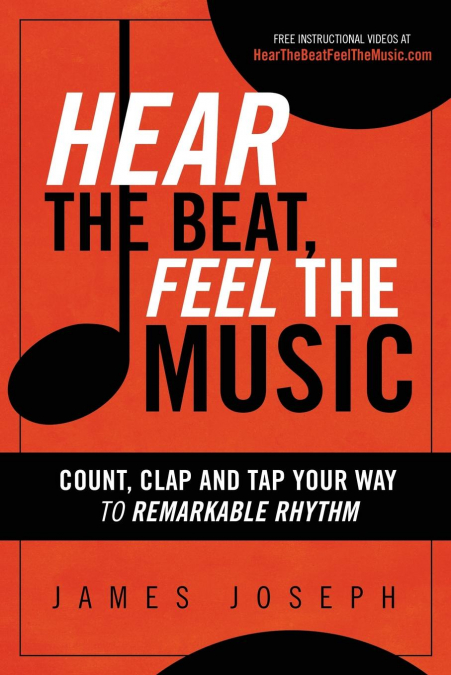
  • Hear the Beat, Feel the Music
    James Joseph
    How do you count music? What’s an 8-count? How do you find the beat in a song?This book, along with more than 20 YouTube videos, will teach you how to count music the easy way—using the 8-count, the way dancers count. If you struggle to stay on the beat, the music lessons in this book are a mini-course in how to get rhythm. Being “rhythmically challenged” is not a lack of abili...
    Disponible

    15,54 €

  • Book of Rhymes
    Romane Armand
    What rhymes with Google, or Beyoncé, or better yet, what rhymes with ORANGE? This book full of words that rhyme together has all the answers! With over 50,000 rhyming entries, this essential reference tool will help songwriters, poets, and advertisers overcome writer’s block and quickly find the right rhyming word. It features slang, phrases, idioms, and pop-culture terms, not ...
    Disponible

    27,01 €

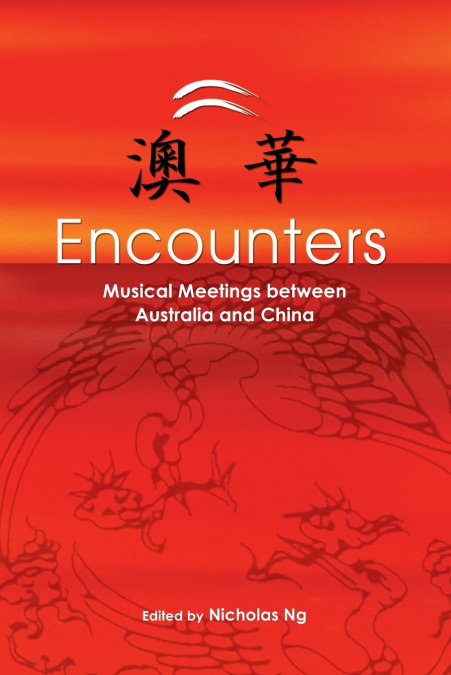
  • Encounters
    Nicholas Ng
    Addressing the themes of: music and history; tradition versus innovation; cultural diversity/intercultural creativity; and music and the related arts; this book  focuses on encounters between China and Australia from the earliest imaginings and representations to the latest cultural exchanges. Here, the reader will find of stories of forbidden love, prejudice and deceit, of ges...
    Disponible

    44,49 €

  • RIVERSONG
    Lee Underwood
    INTRODUCTIONNearly all of the poems included in Riversong are new.They are expressions of personal love, transcendentalrealization, and my deep involvement with nature and music.STREAM. . .RIVER. . .FLOW, that starts off the FOREVERSONGS Section, for example, is a journey from youth’s firstrealization of the power of music, when as a nine-year-oldboy, lying in bed, I held a pla...
    Disponible

    13,09 €

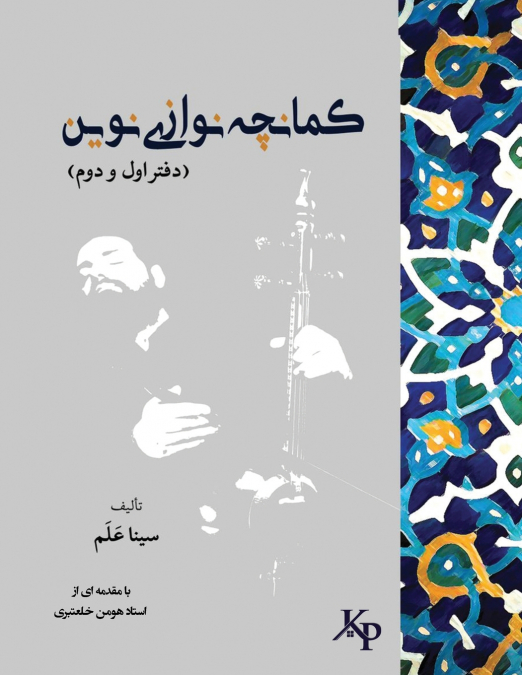
  • کمانچه نوازی نوین
    Sina Alam
    در این کتاب سعی کرده ام کمانچه را به عنوان یک ساز زهی_آرشه ای کامل و واقعی بشناسانم و تا جایی که می شود شخصیتی کششی برای آن بسازم .همچنین مقوله بسیار مهمی را که سال ها آهنگسازان و نوازندگان با آن درگیر بوده اند حل کنم-انتقالی بودن ساز کمانچه-.اشتباه بزرگی که موجب سختی در نگارش و نوازندگی می شد،نگاه انتقالی به این ساز بوده که درکتاب با نگاه بی طرفانه به حل این مشکل پُرداخته ام.ن...
    Disponible

    34,39 €

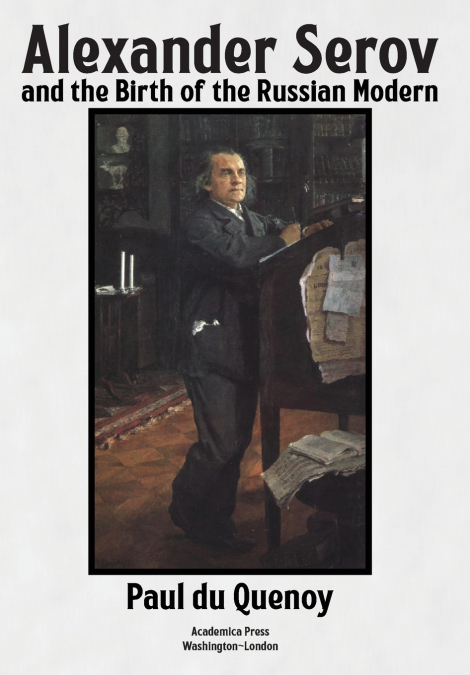
  • Alexander Serov and the Birth of the Russian Modern
    Paul du Quenoy
    When did Russia become 'modern?' Historians of Russia - including even many Russian historians - have long tried to identify Russia’s 'modern' moment. While most scholars have looked to economic or ideological transitions, noted historian and critic Paul du Quenoy approaches the problem through culture, and specifically the performing arts, as told through the prism of one of i...