
Inicio > Sociedad y ciencias sociales > Sociedad y cultura: general > Grupos sociales > Estudios étnicos > Interpreting 2 Peter through African American Women’s Moral Writings
Interpreting 2 Peter through African American Women’s Moral Writings

Interpreting 2 Peter through African American Women’s Moral Writings

Shively T. J. Smith

34,05 €
IVA incluido
Disponible
Editorial:
Society of Biblical Literature
Año de edición:
2023
Materia
Estudios étnicos
ISBN:
9781628373165
34,05 €
IVA incluido
Disponible

Selecciona una librería:

  • Librería Samer Atenea
  • Librería Aciertas (Toledo)
  • Kálamo Books
  • Librería Perelló (Valencia)
  • Librería Elías (Asturias)
  • Donde los libros
  • Librería Kolima (Madrid)
  • Librería Proteo (Málaga)

Shively T. J. Smith reconsiders what is most distinct, troubling, and potentially thrilling about the often overlooked and dismissed book of 2 Peter. Using the rhetorical strategies of nineteenth-century African American women, including Ida B. Wells, Jarena Lee, Anna Julia Cooper, and others, Smith redefines the use of biblical citations, the language of justice and righteousness, and even the matter of pseudonymity in 2 Peter. She approaches 2 Peter as an instance of Christian cultural rhetoric that forges a particular kind of community identity and behavior. This pioneering study considers how 2 Peter cultivates the kind of human relations and attitudes that speak to the values of moral people seeking justice in the past as well as today.
Artículos relacionados

  • Barack Obama
    Ben Arogundade
    Dramatic and startling — The GuardianWitness Barack Obama as you’ve never seen him before — as feminist, communist, fashion model, Jew, Muslim terrorist, Messiah, Superman, George Washington, President Roosevelt, Julius Caesar and Hindu deity Lord Shiva.Obama: 101 Best Covers shows America’s ex-president in all these guises and more, on the front pages of the world’s leading pr...
  • Boxing in Black and White
    Andrew Lindsay
    Professional sports in America offer numerous examples of equal opportunity and broken down racial barriers. These developments call for pride and celebration. Yet skin color continues to have an influence in how Americans experience sport. From Al Campanis’ statement about the under-representation of blacks in baseball front offices to the almost exclusively white ownership...
    Disponible

    42,71 €

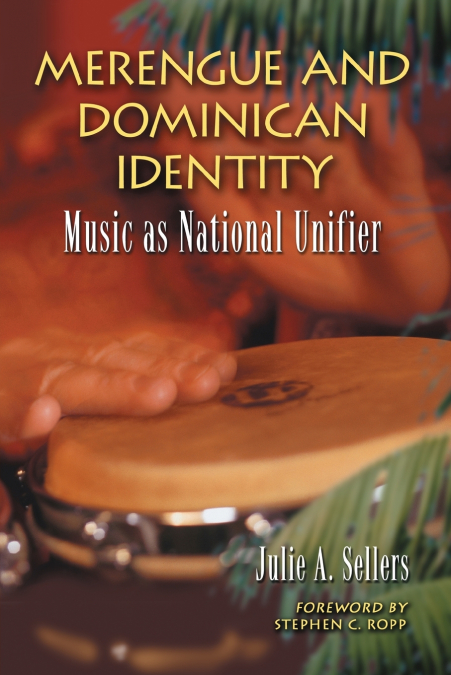
  • Merengue and Dominican Identity
    Julie A. Sellers
    The merengue is internationally recognized as the Dominican Republic’s national dance. It is an integral and unifying element of Dominican identity both within that nation and among emigrants abroad. Although Dominicans often make the claim that merengue has always been in their blood, the dance is relatively young, and its popularity among Dominicans of all social classes a...
    Disponible

    42,81 €

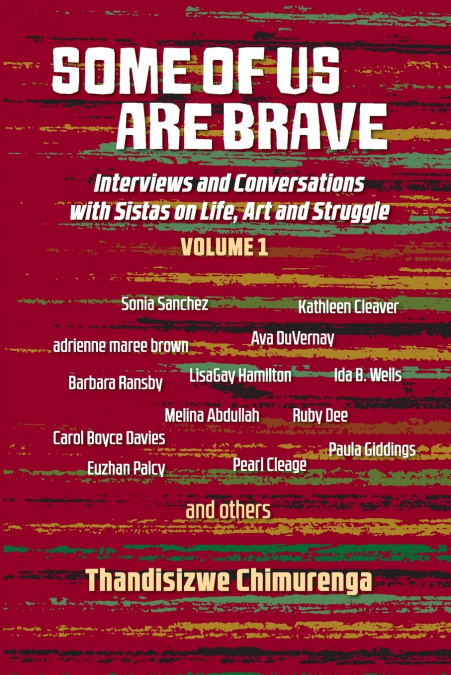
  • Some Of Us Are Brave (Vol 1)
    Thandisizwe Chimurenga
    A society born of white supremacy and patriarchy must, by definition, ignore the voices of Black women. We know that unfortunately, such an attitude will also naturally seep into every stratum of that societyPart of the contribution to correct that was the centering and airing of Black women’s voices through Some of Us Are Brave: A Black Women’s Radio Program that aired on Paci...
    Disponible

    23,12 €

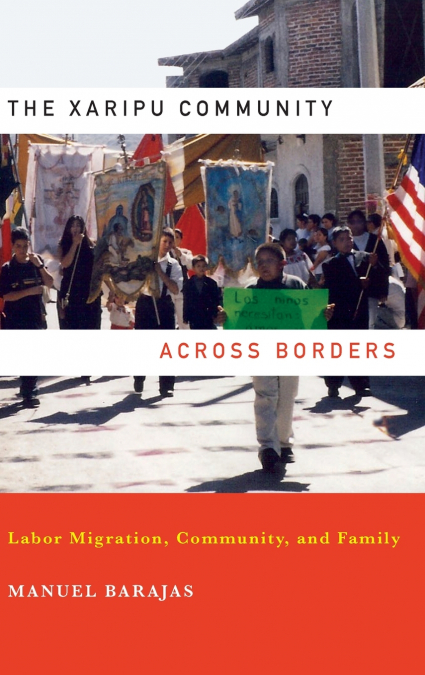
  • The Xaripu Community across Borders
    Manuel Barajas
    The Xaripu Community across Borders presents the first cross-national, comparative study that examines a Mexican-origin community’s experience with international migration and transnationalism. ...
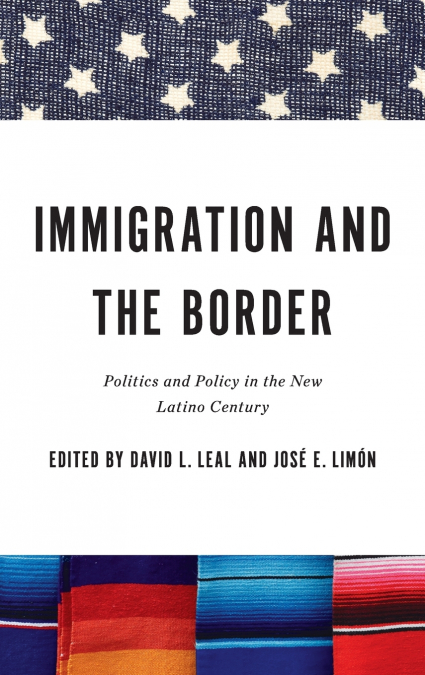
  • Immigration and the Border
    Contributors address immigration and border politics and policies, focusing on the fourth wave of immigration and the lives of Mexican and Latino immigrants. ...

Otros libros del autor

  • Interpreting 2 Peter through African American Women’s Moral Writings
    Shively T. J. Smith
    Shively T. J. Smith reconsiders what is most distinct, troubling, and potentially thrilling about the often overlooked and dismissed book of 2 Peter. Using the rhetorical strategies of nineteenth-century African American women, including Ida B. Wells, Jarena Lee, Anna Julia Cooper, and others, Smith redefines the use of biblical citations, the language of justice and righteousn...