Librería Samer Atenea
 Kálamo Books
 Librería Elías (Asturias)
 Librería Kolima (Madrid)
 Librería Proteo (Málaga)
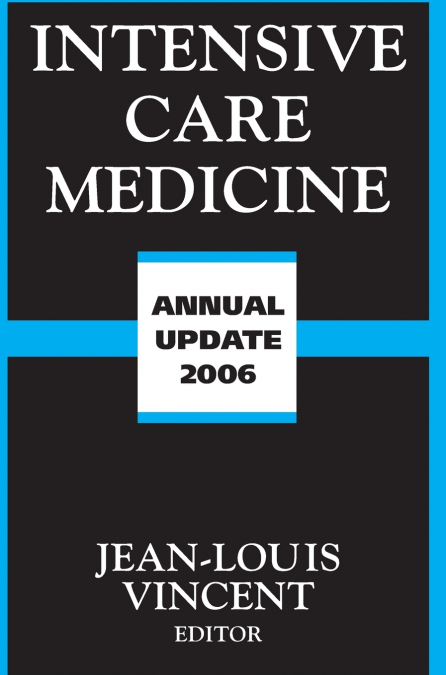
Genetic Factors.- Are Pharmacogenetics and Pharmacogenomics Important for Critically III Patients?.- Genetic Susceptibility in ALI/ARDS: What have we Learned?.- Racial Disparities in Infection and Sepsis: Does Biology Matter?.- Cardiac Issues.- B-Type Natriuretic Peptide: An Emerging Biomarker in Pediatric Critical Care.- Cardiac Dysfunction in Septic Shock.- The Consequences of Cardiac Autonomic Dysfunction in Multiple Organ Dysfunction Syndrome.- Quantification of Improved Left Ventricular Performance during Cardiac Resynchronization Therapy.- Diastolic Dysfunction and Cardiac Failure in the Intensive Care Unit.- Pharmacological Support of the Failing Right Ventricle.- Perioperative Cardioprotection.- Cardiopulmonary Resuscitation.- Improving the Quality of Cardiac Arrest Resuscitation Care.- Pediatric Cardiopulmonary Arrest and Resuscitation.- Early Cooling in Cardiac Arrest: What is the Evidence?.- Emergencies.- Management of Severe Accidental Hypothermia.- Initial ICU Management of Skin Sloughing Diseases: Toxic Epidermal Necrolysis and Stevens-Johnson Syndrome.- Poisonings.- Pathophysiology of Caustic Ingestion.- Extracorporeal Life-Support for Acute Drug-induced Cardiac Toxicity.- Acute Respiratory Failure.- Epidemiology of Acute Respiratory Failure and Mechanical Ventilation.- Esophagectomy and Acute Lung Injury.- Glucocorticoid Treatment in Acute Respiratory Distress Syndrome: Friend or Foe?.- Regional Lung Function in Critically III Neonates: A New Perspective for Electrical Impedance Tomography.- Extracorporeal Lung Assist for Acute Respiratory Distress Syndrome: Past, Present and Future.- Ventilatory Support.- Protective Mechanical Ventilation: Lessons Learned From Alveolar Mechanics.- Mechanical Ventilation for Acute Asthma Exacerbations.- Hypercapnia: Permissive, Therapeutic, or Not at All?.- The Cardiopulmonary Effects of Hypercapnia.- High Frequency Oscillation for Acute Respiratory Failure in Adults.- Airway Pressure Release Ventilation: Promises and Potentials for Concern.- Postoperative Non-invasive Ventilation.- Tracheostomy.- Choice of Tracheostomy Tube: Does One Size Fit All?.- What’s new in Percutaneous Dilational Tracheostomy?.- Infections.- Novel Therapies in the Prevention of Ventilator-associated Pneumonia.- Management of Ventilator-associated Pneumonia.- Flucytosine Combined with Amphotericin B for Fungal Infections: A Postmarketing Surveillance and Future Perspectives.- Cellular Mechanisms in Sepsis.- Apoptosis in Critical Illness: A Primer for the Intensivist.- Regulation of Mitochondrial Function by Hypoxia and Inflammation in Sepsis: A Putative Role for Hypoxia Inducible Factor.- Gram-positive and Gram-negative Sepsis: Two Disease Entities?.- Methicillin-resistant Staphylococcus aureus-induced Sepsis: Role of Nitric Oxide.- Sepsis Therapies.- The Cardiovascular Management of Sepsis.- Terlipressin in Septic Shock: When and How Much?.- Blood Purification Techniques in Sepsis and SIRS.- Glutathione in Sepsis and Multiple Organ Failure.- Selenocompounds and Selenium: A Biochemical Approach to Sepsis.- Metabolic Alterations.- The Role of Hypoxia and Inflammation in the Expression and Regulation of Proteins Regulating Iron Metabolism.- Hyperammonemia in the Adult Critical Care Setting.- Magnesium in the ICU: Sine qua non.- Strict Glycemic Control: Not If and When, but Who and How?.- Cortisol Metabolism in Inflammation and Sepsis.- Fluid Management.- Assessment of Perioperative Fluid Balance.- Fluid Resuscitation and Intra-abdominal Hypertension.- Acute Kidney Injury.- Six Truths about Acute Kidney Injury that the Intensivist Should Be Aware Of.- Role of Poly(ADP-Ribose) Polymerase in Acute Kidney Injury.- From Hemodynamics To Proteomics: Unraveling the Complexity of Acute Kidney Injury in Sepsis.- Hemodynamic Assessment and Management.- Towards Optimal Central Venous Catheter Tip Position.- From Arterial Pressure to Cardiac Output.- Hemodynamic Monitoring: Requirements of Less Invasive Intensive Ca...