Inicio > Artes > Música > Instrumentenkunde in Schulbüchern
Instrumentenkunde in Schulbüchern

Instrumentenkunde in Schulbüchern

Holger Plottke

17,39 €
IVA incluido
Disponible
Editorial:
GRIN Publishing
Año de edición:
2008
Materia
Música
ISBN:
9783638942263
17,39 €
IVA incluido
Disponible

Selecciona una librería:

  • Librería Samer Atenea
  • Librería Aciertas (Toledo)
  • Kálamo Books
  • Librería Perelló (Valencia)
  • Librería Elías (Asturias)
  • Donde los libros
  • Librería Kolima (Madrid)
  • Librería Proteo (Málaga)

Studienarbeit aus dem Jahr 2007 im Fachbereich Musikwissenschaft, Hochschule für Musik und Theater Hannover , 24 Quellen im Literaturverzeichnis, Sprache: Deutsch, Abstract: 1. Einleitung In der „abendländischen Welt' hat man eine relativ klare Vorstellung über die Einteilung von Musikinstrumenten. Den meisten Menschen ist eine Einteilung in Streichinstrumente, Holzblasinstrumente, Blechblasinstrumente, Tasteninstrumente und Schlaginstrumente geläufig. Selbst Musikstudenten fallen bei der Aufgabe, Musikinstrumente anhand einer graphischen Darstellung zu systematisieren, im Seminar auf Grundzüge dieser Einteilung zurück. Bei drei verschiedenen Darstellungen findet sich einmal genau diese Einteilung, wobei die Streichinstrumente mit Zupfinstrumenten zu Saiteninstrumenten und Holz- und Blechblasinstrumente zu Blasinstrumenten zusammengefasst werden. Diese Gruppe bezieht sich in ihrer Einteilung der Tasteninstrumente allerdings auch auf die Systematik nach Hornbostel und Sachs, die die Instrumente nach dem Klang erzeugenden Material einteilen, also in Cordophone, Aerophone, Idiophone und Membranophone. Die zweite Gruppe teilt ausschließlich nach dieser Systematik ein . Die dritte Gruppe fällt ein wenig heraus. Hier werden Instrumente nach abendländischen Instrumenten, außereuropäischen Instrumenten, „Schul'instrumenten und volkstümlichen Instrumenten sortiert . Aber auch bei dieser recht eigenwilligen Einordnung findet sich bei den abendländischen Instrumenten die Einteilung in Schlag-, Blas- und Streichinstrumente. Obwohl nicht namentlich genannt, finden sich auch die Gruppen Tasten-, (linker Unterpunkt) und Zupfinstrumente (letzter rechter Unterpunkt) wieder. Auch bei den „Schul'instrumenten taucht dieses Schema bei der Einteilung in Bläser-, und Streicherklassen auf. Diese Systematisierung sitzt anscheinend in den Köpfen der „Abendländer' ziemlich fest. Selbst Musikstudenten können sich bei der freien Einteilung von Instrumenten nicht von vorhandenen Schemata lö
Artículos relacionados

  • Hear the Beat, Feel the Music
    James Joseph
    How do you count music? What’s an 8-count? How do you find the beat in a song?This book, along with more than 20 YouTube videos, will teach you how to count music the easy way—using the 8-count, the way dancers count. If you struggle to stay on the beat, the music lessons in this book are a mini-course in how to get rhythm. Being “rhythmically challenged” is not a lack of abili...
    Disponible

    15,54 €

  • Book of Rhymes
    Romane Armand
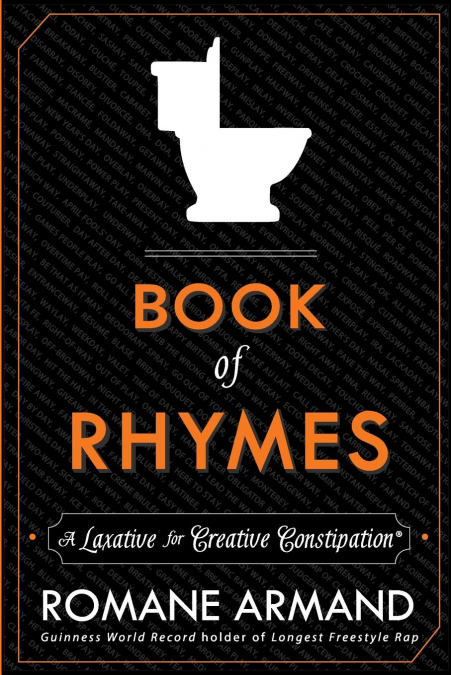
    What rhymes with Google, or Beyoncé, or better yet, what rhymes with ORANGE? This book full of words that rhyme together has all the answers! With over 50,000 rhyming entries, this essential reference tool will help songwriters, poets, and advertisers overcome writer’s block and quickly find the right rhyming word. It features slang, phrases, idioms, and pop-culture terms, not ...
    Disponible

    27,01 €

  • Encounters
    Nicholas Ng
    Addressing the themes of: music and history; tradition versus innovation; cultural diversity/intercultural creativity; and music and the related arts; this book  focuses on encounters between China and Australia from the earliest imaginings and representations to the latest cultural exchanges. Here, the reader will find of stories of forbidden love, prejudice and deceit, of ges...
    Disponible

    44,49 €

  • RIVERSONG
    Lee Underwood
    INTRODUCTIONNearly all of the poems included in Riversong are new.They are expressions of personal love, transcendentalrealization, and my deep involvement with nature and music.STREAM. . .RIVER. . .FLOW, that starts off the FOREVERSONGS Section, for example, is a journey from youth’s firstrealization of the power of music, when as a nine-year-oldboy, lying in bed, I held a pla...
    Disponible

    13,09 €

  • کمانچه نوازی نوین
    Sina Alam
    در این کتاب سعی کرده ام کمانچه را به عنوان یک ساز زهی_آرشه ای کامل و واقعی بشناسانم و تا جایی که می شود شخصیتی کششی برای آن بسازم .همچنین مقوله بسیار مهمی را که سال ها آهنگسازان و نوازندگان با آن درگیر بوده اند حل کنم-انتقالی بودن ساز کمانچه-.اشتباه بزرگی که موجب سختی در نگارش و نوازندگی می شد،نگاه انتقالی به این ساز بوده که درکتاب با نگاه بی طرفانه به حل این مشکل پُرداخته ام.ن...
    Disponible

    34,39 €

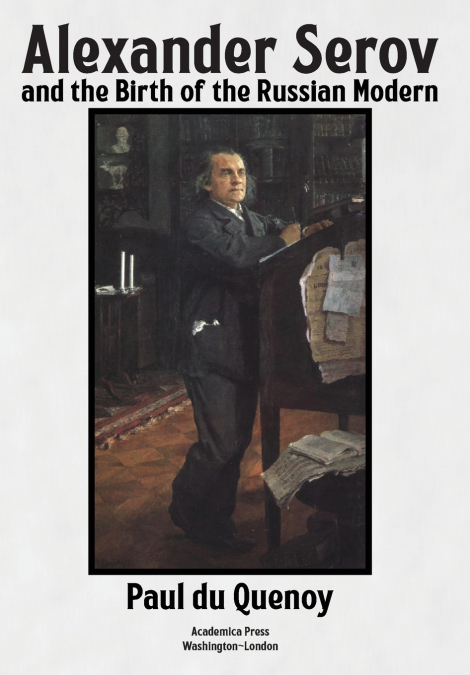
  • Alexander Serov and the Birth of the Russian Modern
    Paul du Quenoy
    When did Russia become 'modern?' Historians of Russia - including even many Russian historians - have long tried to identify Russia’s 'modern' moment. While most scholars have looked to economic or ideological transitions, noted historian and critic Paul du Quenoy approaches the problem through culture, and specifically the performing arts, as told through the prism of one of i...