Inicio > > Redes y comunicaciones informáticas > Information Technology in Educational Management
Information Technology in Educational Management

Information Technology in Educational Management


207,81 €
IVA incluido
Disponible
Editorial:
Springer Nature B.V.
Año de edición:
2013
Materia
Redes y comunicaciones informáticas
ISBN:
9781475754957
207,81 €
IVA incluido
Disponible

Selecciona una librería:

  • Librería Samer Atenea
  • Librería Aciertas (Toledo)
  • Kálamo Books
  • Librería Perelló (Valencia)
  • Librería Elías (Asturias)
  • Donde los libros
  • Librería Kolima (Madrid)
  • Librería Proteo (Málaga)

Educational institutions in which administrators, managers and teachers will be working in the late 1990’s will be far different from those oftoday. Schools, which until recently were lagging behind in the implementation of information technology (IT) in their administration and management, are now attempting to close the gap. A massive and rapid computerization process in schools, school districts and throughout the other Ievels of the educational system, including universities, has made computers an integral part of the educational management scene. A computer on the desk of every educational management statT might become a reality in the near future. The term 'IT' includes three main components: hardware, software - mainly management information systems (MIS)/decision support systems (DSS) and human factors. Presently, successful implementation depends on adequate software and on human factors. MIS/DSSs are being implemented with the aim of providing meaningful support for school employees in their daily activities, and to improve their performance, etfectiveness and efficiency. Much like at universities, usable and accessible school databases are being established, encompassing data on students, teachers, employees, classrooms, grade Ievels, courses, student achievements and behavior, school space, curriculum, finance, inventory, transportation, etc.
Artículos relacionados

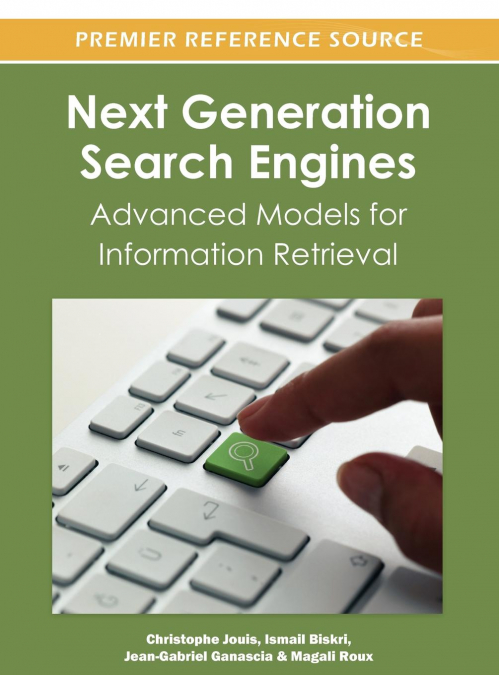
  • Next Generation Search Engines
    Recent technological progress in computer science, Web technologies, and the constantly evolving information available on the Internet has drastically changed the landscape of search and access to information. Current search engines employ advanced techniques involving machine learning, social networks, and semantic analysis. Next Generation Search Engines: Advanced Models for ...
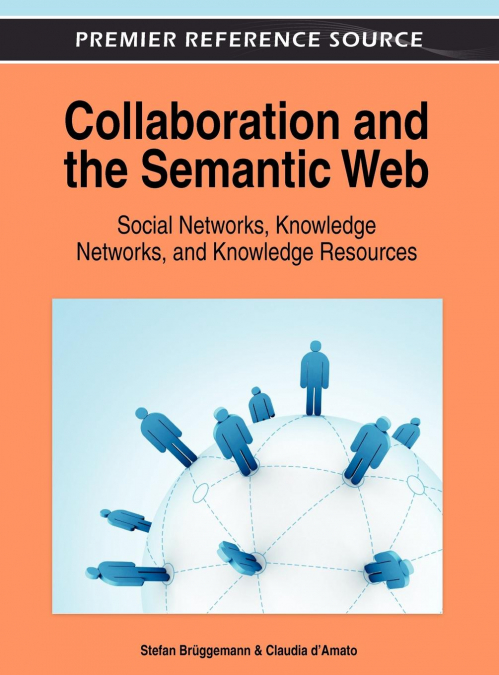
  • Collaboration and the Semantic Web
    Collaborative working has been increasingly viewed as a good practice for organizations to achieve efficiency. Organizations that work well in collaboration may have access to new sources of funding, deliver new, improved, and more integrated services, make savings on shared costs, and exchange knowledge, information and expertise. Collaboration and the Semantic Web: Social Net...
  • Resource Allocation in Next-Generation Broadband Wireless Access Networks
    With the growing popularity of wireless networks in recent years, the need to increase network capacity and efficiency has become more prominent in society. This has led to the development and implementation of heterogeneous networks. Resource Allocation in Next-Generation Broadband Wireless Access Networks is a comprehensive reference source for the latest scholarly research o...
  • Advanced Topics in Information Technology Standards and Standardization Research, Volume 1
    Kai Jakobs
    ...
  • Data Warehouses and OLAP
    ...
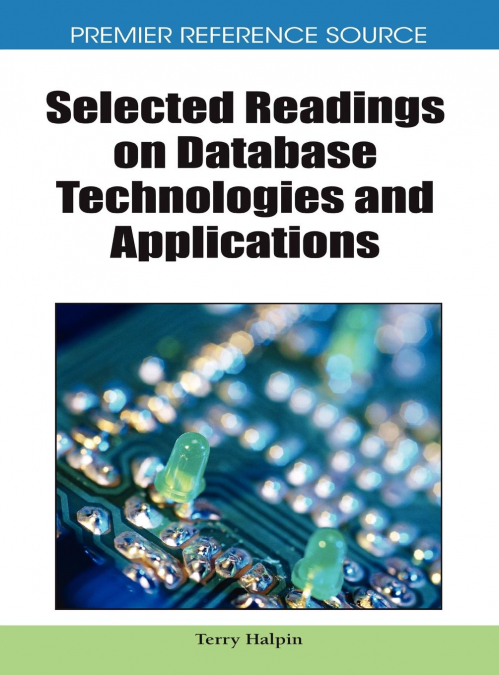
  • Selected Readings on Database Technologies and Applications
    Terry Halpin
    Education and research in the field of database technology can prove problematic without the proper resources and tools on the most relevant issues, trends, and advancements. Selected Readings on Database Technologies and Applications supplements course instruction and student research with quality chapters focused on key issues concerning the development, design, and analysis ...