Inicio > Humanidades > Arqueología > Indigenous Life around the Great Lakes
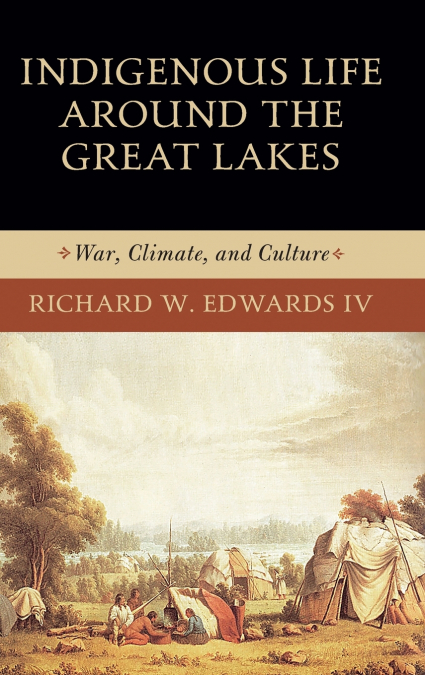
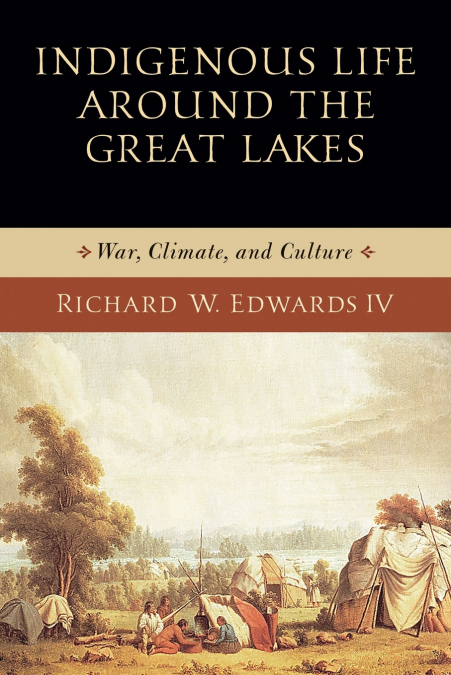
Indigenous Life around the Great Lakes

Indigenous Life around the Great Lakes

Richard W. Edwards IV / Richard WEdwards IV

49,73 €
IVA incluido
Disponible
Editorial:
Longleaf - Univ of Notre Dame du Lac
Año de edición:
2020
Materia
Arqueología
ISBN:
9780268108182
49,73 €
IVA incluido
Disponible

Selecciona una librería:

  • Librería Samer Atenea
  • Librería Aciertas (Toledo)
  • Kálamo Books
  • Librería Perelló (Valencia)
  • Librería Elías (Asturias)
  • Donde los libros
  • Librería Kolima (Madrid)
  • Librería Proteo (Málaga)

Enormous changes affected the inhabitants of the Eastern Woodlands area during the eleventh through fifteenth centuries AD. At this time many groups across this area (known collectively to archaeologists as Oneota) were aggregating and adopting new forms of material culture and food technology. This same period also witnessed an increase in intergroup violence, as well as a rise in climatic volatility with the onset of the Little Ice Age. In Indigenous Life around the Great Lakes, Richard W. Edwards explores how the inhabitants of the western Great Lakes region responded to the challenges of climate change, social change, and the increasingly violent physical landscape. As a case study, Edwards focuses on a group living in the Koshkonong Locality in what is now southeastern Wisconsin. Edwards contextualizes Koshkonong within the larger Oneota framework and in relation to the other groups living in the western Great Lakes and surrounding regions. Making use of a canine surrogacy approach, which avoids the destruction of human remains, Edwards analyzes the nature of groups’ subsistence systems, the role of agriculture, and the risk-management strategies that were developed to face the challenges of their day. Based on this analysis, Edwards proposes how the inhabitants of this region organized themselves and how they interacted with neighboring groups. Edwards ultimately shows how the Oneota groups were far more agricultural than previously thought and also demonstrates how the maize agriculture of these groups was related to the structure of their societies.In bringing together multiple lines of archaeological evidence into a unique synthesis, Indigenous Life around the Great Lakes is an innovative book that will appeal to archaeologists who study the Midwest and surrounding regions, and it will also appeal to those who research risk management, agriculture, and the development of hierarchical societies more generally.
Artículos relacionados

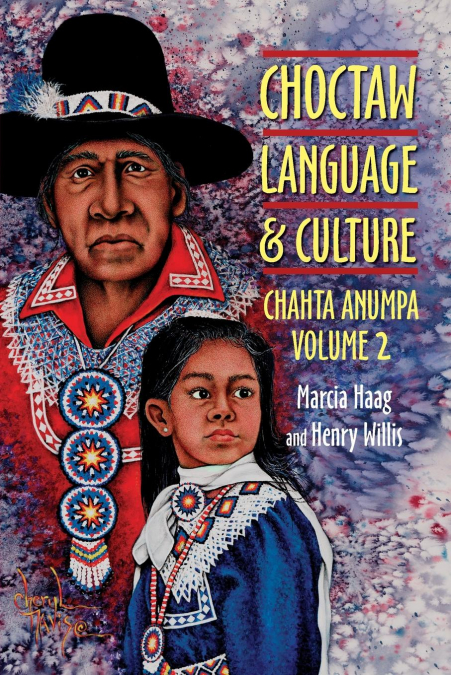
  • Choctaw Language and Culture
    Henry Willis / Marcia Haag
    Building on the foundations laid by the first volume of Choctaw Language and Culture, this follow-up text presents a more advanced linguistic study of Oklahoma Choctaw, accompanied by short stories and anecdotes written by Choctaws in their native language.The book is organized around twelve texts with translations, each followed by a grammar lesson, a vocabulary section that a...
    Disponible

    38,64 €

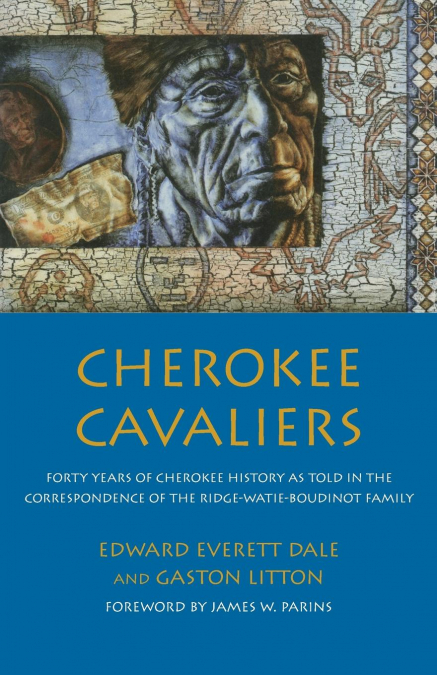
  • Cherokee Cavaliers
    Edward Everett Dale / Gaston Liston
    The two hundred letters which from the colorful mosaic of this story of the Cherokee tell for the first time, in the Indian’s own words, of more than forty years in the history of the old Cherokee Nation. These letters, found in three great trunks in Oklahoma by Edward Everett Dale, and here brought together, in collaboration with Gaston Litton, in sequence and with the necessa...
    Disponible

    17,00 €

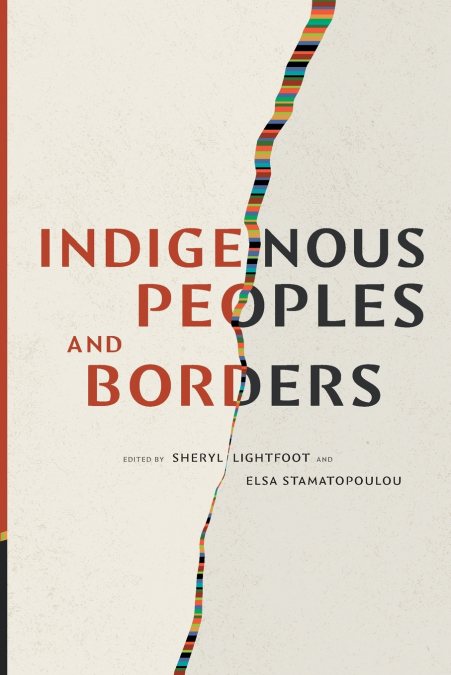
  • Indigenous Peoples and Borders
    Sheryl Lightfoot
    The legacies of borders are far-reaching for Indigenous Peoples. This collection offers new ways of understanding borders by departing from statist approaches to territoriality. Bringing together the fields of border studies, human rights, international relations, and Indigenous studies, it features a wide range of voices from across academia, public policy, and civil society. ...
    Disponible

    38,69 €

  • The Politics of Kinship
    Mark Rifkin
    What if we understood the idea of family as central to representing alternative forms of governance as expressions of racial deviance? In The Politics of Kinship, Mark Rifkin shows how ideologies of family, including notions of kinship, recast Indigenous and other forms of collective self-organization and self-determination as disruptive racial tendencies in need of state conta...
    Disponible

    38,84 €

  • Defend the Sacred
    Michael D. McNally
    The remarkable story of the innovative legal strategies Native Americans have used to protect their religious rightsFrom North Dakota’s Standing Rock encampments to Arizona’s San Francisco Peaks, Native Americans have repeatedly asserted legal rights to religious freedom to protect their sacred places, practices, objects, knowledge, and ancestral remains. But these claims have ...
    Disponible

    163,07 €

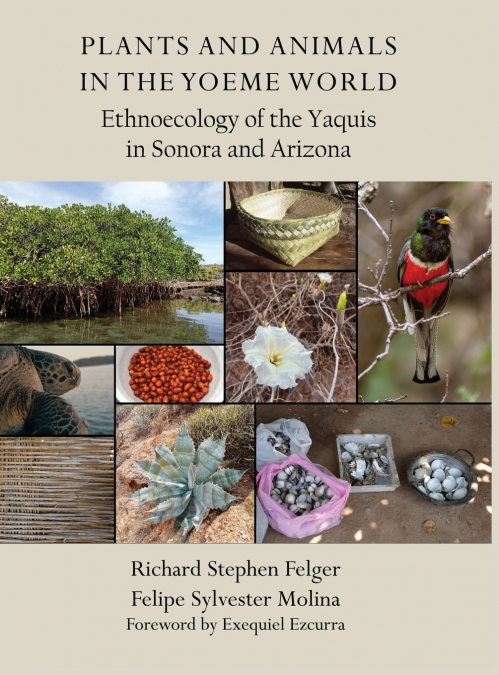
  • Plants and Animals in the Yoeme World
    Felipe S. Molina / Richard S. Felger
    This is a book about plants and animals in the Yoeme world, including the Yoem Bwiara in Sonora, Mexico, and that region of south-central Arizona where Yoeme communities formed during the diasporas of the nineteenth and twentieth centuries. We document more than 415 plant species and over 600 kinds (taxa) of animal life, and describe from historical and first-person accounts ma...
    Disponible

    85,19 €

Otros libros del autor

  • Indigenous Life around the Great Lakes
    Richard W. Edwards IV / Richard WEdwards IV
    Enormous changes affected the inhabitants of the Eastern Woodlands area during the eleventh through fifteenth centuries AD. At this time many groups across this area (known collectively to archaeologists as Oneota) were aggregating and adopting new forms of material culture and food technology. This same period also witnessed an increase in intergroup violence, as well as a ris...
    Disponible

    179,80 €