Immunoregulation

Immunoregulation

Nicola Fabris

68,71 €
IVA incluido
Disponible
Editorial:
Springer Nature B.V.
Año de edición:
2012
Materia
Inmunología
ISBN:
9781468445497
68,71 €
IVA incluido
Disponible

Selecciona una librería:

  • Librería Samer Atenea
  • Librería Aciertas (Toledo)
  • Kálamo Books
  • Librería Perelló (Valencia)
  • Librería Elías (Asturias)
  • Donde los libros
  • Librería Kolima (Madrid)
  • Librería Proteo (Málaga)

Immunoregulation is one of the areas which has witnessed the most explosive advances of immunology during the past decade. It is in this area that the current view of the immune system has arisen and developed. There is indeed little doubt that immune reactions are primarily determined by messages which are genera ted within the immune system and passed among different types of immunologie cells. This cell communication not only determines the type, intensity and duration of the response after perturbation of the immune system by exogenous antigens, but it is also essential for preventing autoimmune reactions and their clinical conse­ quences. In order to assure aperfect balance within the enormous com­ plexity of the immune system, it is not surprising that multiple self-regulatory mechanisms are organized at different levels, such as antibody feedback, idiotypic-anti-idiotypic responses, suppres­ sor and helper T cells, lymphokine signals and genetic require­ ments. A nu mb er of observations in recent years have, however, demonstrated that consistent contributions to the immunological homeostasis are given also by signals generated outside of the immune system, namely,in the central and autonomous nervous system as weIl as in the endocrine apparatus. Furthermore, the interactions between the immune system and the other body homestatic mechanisms seem to be bidirectional: if immunological cells may be targets of neuroendocrinological factors, immunological products seem in turn to contribute to the neuro­ endocrine homeostasis.

Artículos relacionados

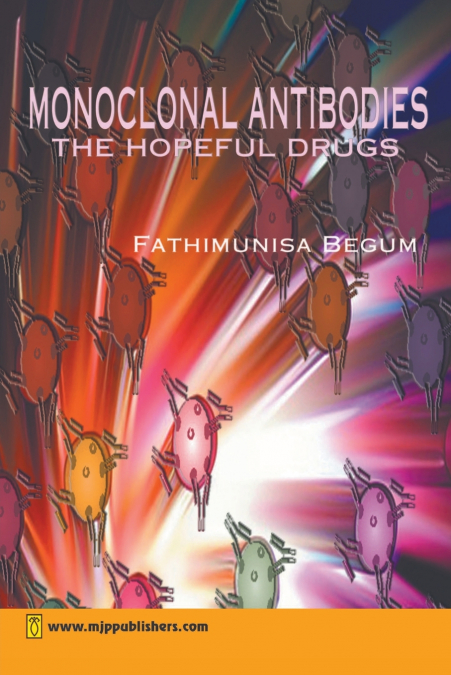
  • MONOCLONAL ANTIBODIES
    Fathimunisa Begum
    This book offers a comprehensive exploration of the groundbreaking use of monoclonal antibody drugs in modern medicine. Beginning with an insightful introduction to monoclonal antibodies, the book delves into the intricate process of their production, from immunization and hybridoma cell preservation to large-scale antibody manufacturing.In its captivating pages, readers will d...
    Disponible

    28,64 €

  • Everybody’s Antibodies
    Jr. Mark P. Friedlander
    In our daily lives, we are surrounded by countless germs that often go unnoticed, thanks to the remarkable defense mechanism within us known as the immune system. Curiously, this intricate network of tiny components remains one of the least understood aspects of our body’s organization. However, with the advent of COVID-19, our collective immune systems have faced an extraordin...
    Disponible

    10,18 €

  • INTRODUCTION TO AUTONOMIC MEDICINE
    David S Goldstein
    Autonomic medicine is emerging across the globe as an important subspecialty in healthcare. The overwhelming majority of medicine today is based on the assumption that a patient’s autonomic nervous system is intact and functioning normally. But what if it is not? What do we do when there are abnormalities in the regulatory functions of the body, such as maintaining normal blood...
  • Antibody Engineering
    Borrebaeck
    ...
    Disponible

    141,84 €

  • In Defense of Self
    William R. Clark
    ...
    Disponible

    27,64 €

  • Global Virology IV
    In the face of recent viral outbreaks and a global viral pandemic, the necessity for innovation and continued rapid advancement in viral diagnosis and treatment methods has become even more apparent. Global Virology IV: Viral Disease Diagnosis and Treatment Delivery in the 21st Century explores the latest advances in virology and trends in clinical practice, focused on foundati...