Immunological Synapse

Immunological Synapse


208,62 €
IVA incluido
Consulta disponibilidad
Editorial:
Springer Nature B.V.
Año de edición:
2009
Materia
Inmunología
ISBN:
9783642038570

Selecciona una librería:

  • Librería Samer Atenea
  • Librería Aciertas (Toledo)
  • Kálamo Books
  • Librería Perelló (Valencia)
  • Librería Elías (Asturias)
  • Donde los libros
  • Librería Kolima (Madrid)
  • Librería Proteo (Málaga)

The proper physiological functioning of most eukaryotic cells requires their assembly into multi-cellular tissues that form organized organ systems. Cells of the immune system develop in bone marrow and lymphoid organs, but as the cells mature they leave these organs and circulate as single cells. Antigen receptors (TCRs) of T cells search for membrane MHC proteins that are bound to peptides derived from infectious pathogens or cellular transformations. The detection of such speci?c peptide-MHC antigens initiates T cell activation, adhesion, and immune-effectors functions. Studies of normal and transformed T cell lines and of T cells from transgenic mice led to comprehensive understanding of the mole- lar basis of antigen-receptor recognition and signaling. In spite of these remarkable genetic and biochemical advances, other key physiological mechanisms that par- cipate in sensing and decoding the immune context to induce the appropriate cellular immune responses remain unresolved. TCR recognition is tightly regulated to trigger sensitive but balanced T cell responses that result in the effective elimination of the pathogens while minimizing collateral damage to the host. The sensitivity of TCR recognition has to be properly tempered to prevent unintended activation by self-peptide-MHC complexes that cause autoimmune diseases. It is likely that once the TCR is engaged by a peptide- MHC and TCR signaling begins, additional regulatory mechanisms, involving other receptors, would increase the ?delity of the response.
Artículos relacionados

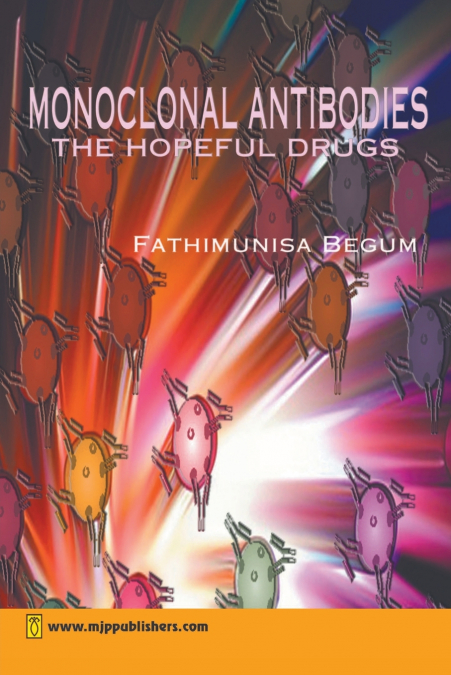
  • MONOCLONAL ANTIBODIES
    Fathimunisa Begum
    This book offers a comprehensive exploration of the groundbreaking use of monoclonal antibody drugs in modern medicine. Beginning with an insightful introduction to monoclonal antibodies, the book delves into the intricate process of their production, from immunization and hybridoma cell preservation to large-scale antibody manufacturing.In its captivating pages, readers will d...
    Disponible

    28,64 €

  • Everybody’s Antibodies
    Jr. Mark P. Friedlander
    In our daily lives, we are surrounded by countless germs that often go unnoticed, thanks to the remarkable defense mechanism within us known as the immune system. Curiously, this intricate network of tiny components remains one of the least understood aspects of our body’s organization. However, with the advent of COVID-19, our collective immune systems have faced an extraordin...
    Disponible

    10,18 €

  • INTRODUCTION TO AUTONOMIC MEDICINE
    David S Goldstein
    Autonomic medicine is emerging across the globe as an important subspecialty in healthcare. The overwhelming majority of medicine today is based on the assumption that a patient’s autonomic nervous system is intact and functioning normally. But what if it is not? What do we do when there are abnormalities in the regulatory functions of the body, such as maintaining normal blood...
  • Antibody Engineering
    Borrebaeck
    ...
    Disponible

    141,84 €

  • In Defense of Self
    William R. Clark
    ...
    Disponible

    27,64 €

  • Global Virology IV
    In the face of recent viral outbreaks and a global viral pandemic, the necessity for innovation and continued rapid advancement in viral diagnosis and treatment methods has become even more apparent. Global Virology IV: Viral Disease Diagnosis and Treatment Delivery in the 21st Century explores the latest advances in virology and trends in clinical practice, focused on foundati...