

 Librería Samer Atenea
 Kálamo Books
 Librería Elías (Asturias)
 Librería Kolima (Madrid)
 Librería Proteo (Málaga)
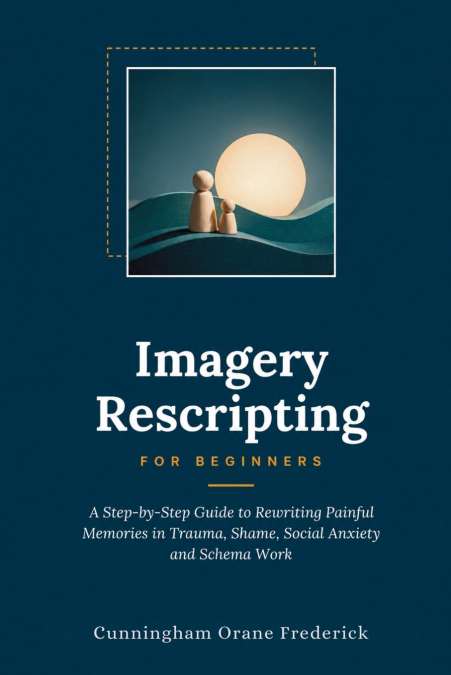
You came back from the workshop knowing what imagery rescripting is. Then a client sat down, closed their eyes, and you were not sure what your first sentence should be. Knowing a method and guiding someone through the hardest moment of their childhood are different skills, and the distance between them is where many therapists stop. From Understanding the Method to Running a Session This book explains, in plain language, how to revisit a painful memory with a client in imagination and change what happens so that the need that went unmet is finally met. You will learn how to explain the approach, build a list of memories, find the hardest moment, ask what the younger self needs, step into the scene, and close the session well. Later chapters show how to hand the work over to the client and how the same steps apply to trauma, shame, social anxiety, and schema work. The research is summarized honestly, including where the evidence is strong and where it is still thin. Written for the Therapist Who Has Never Done It The steps follow the treatment protocol as updated in 2025, with the therapist rescripting first and the client taking over later. Every stage comes with original sample wording and annotated dialogue, so you can see what a therapist might say and why. A full chapter covers what to do when a session stalls, including dissociation, blank images, and the client who says, 'That never happened.' You will also find composite case examples, a comparison with EMDR, prolonged exposure, and chair work, a beginner fidelity checklist, practice drills, a client handout, and script cards. Who Will Find It Useful This book is for readers who are counselors, psychotherapists, or psychologists and have heard of imagery rescripting but have not yet used it. It also suits trainees who want a clear companion to a course, clinicians who tried the method once and came away unsure, and supervisors looking for a short text to recommend. Clients who want to understand what their therapist is suggesting will find the early chapters and the handout helpful. This guide does not replace training or supervision, and it says so. What it offers is a calm, practical account of what to say first, what to do next, and how to respond when things do not go to plan. If you want to bring imagery rescripting into your practice with care, this book gives you a clear starting point.





