Librería Samer Atenea
 Kálamo Books
 Librería Elías (Asturias)
 Librería Kolima (Madrid)
 Librería Proteo (Málaga)
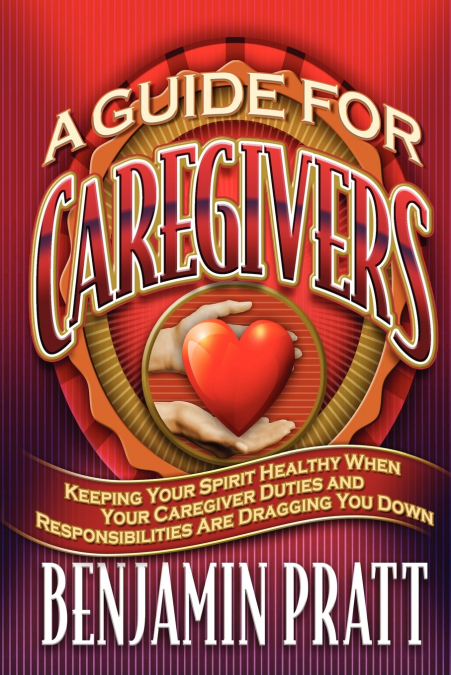
“I have been bewildered by the staying power of the traditional Seven Deadly Sins: Pride, envy, anger, sloth, covetousness, gluttony and lust. It was not until I began reading and studying Fleming’s "Bond, James Bond," that I was convinced that Bond was a knight out to slay these contemporary dragons threatening our lives. All of Fleming’s 007 tales follow a common theme that he identified in his first Bond novel, Casino Royale, as parables about evil people. Fleming's stories have considerable mythological, allegorical and theological depth that are compelling to this day. Fleming found most of the traditional Seven Deadly Sins to be closer to virtues in contemporary culture.While an editor on the staff of the Sunday Times, Fleming suggested the famous London-based newspaper publish a series of essays on the traditional Seven Deadly Sins. Fleming later saw that this collection of essays was published as a now out-of-print book called simply, The Seven Deadly Sins. In his Foreword to that volume, Fleming lays out seven modern deadlier sins, a list that turns out to be a roadmap to his overarching intention for writing the James Bond novels. Fleming's modern sins that will send people to Hell are: Avarice, Cruelty, Snobbery, Hypocrisy, Self-righteousness, Moral Cowardice and Malice.Fleming, often considered a literary light-weight in his day, actually gave us far more than run-of-the-mill adventure stories. He wrote mythical parables of evil people in which, novel after novel, he sketched out the baseline of evil against which we can measure goodness. To counter these evil people, his Bond is a modern-day St. George who slays the dragons and confronts the moral dilemmas that spring from the confusing lures of modern culture.The evil characters Bond is fighting are fascinating, brilliant villains, often more interesting than James Bond himself. They are larger-than-life caricatures of the evil they personify. Bond is in pursuit of the agents of the Devil. To meet the evil figures in Fleming's writings is to meet the Devil whom Fleming regarded as a deadly serious threat to our world.This is what Ian Fleming has done in the 007 series. James Bond, as presented in the Fleming novels, is less than a perfect man who often drops his guard, is captured by his enemy, and yet fights with loyalty and courage to escape the clutches of the dragon. This parallels Fleming's life struggle as it does the life struggle of many of us who know that we are flawed warriors on a spiritual battlefield.Now we can clearly see why Fleming was such a prophet. Daily we are confronted with extravagant greed, violence, snobbery, hypocrisy, self-righteousness and spineless moral cowardice. That is why this book has been discussed in small groups around our world. I have heard personally from folks describing how my book and subsequent conversations with friends have raised soul-searching questions.Many of these words of thanks have come from people who have encountered serious losses that stifled their joy, energy and hope. They had never heard of accidie, but discovered that this traditional term was helpful in identifying their seemingly insurmountable burden. A phrase like, "Shaken, not stirred," took on new meaning. Their lives had been deeply shaken but they had lost the energy and focus to be stirred. That is the temptation of accidie—a life that loses all capacity for joy and deadens any sense of mission. By naming and discussing that temptation, many readers have told me they took new steps toward relief.For those who have suffered from accidie—or any of these deadly temptations Fleming explored—I hope that my book will continue to become a vehicle for self-examination, group reflection and ultimately the healing of souls."—Author, Benjamin Pratt