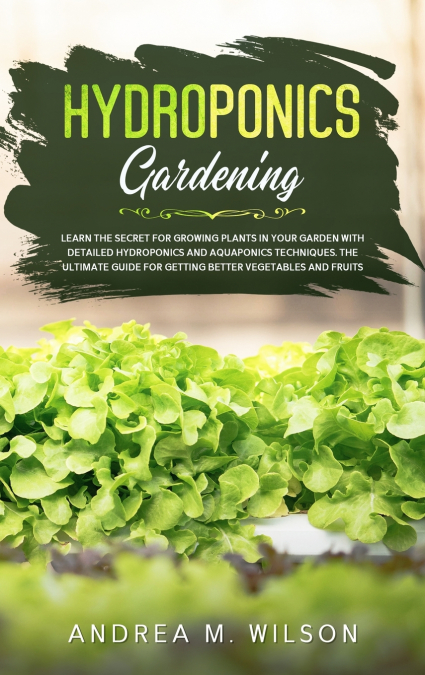
HYDROPONICS GARDENING

HYDROPONICS GARDENING

ANDREA M. WILSON / ANDREA MWILSON

16,20 €
IVA incluido
Disponible
Editorial:
ANDRAI VENTURES LLC
Año de edición:
2020
Materia
Métodos de jardinería especializados
ISBN:
9781953926142
16,20 €
IVA incluido
Disponible

Selecciona una librería:

  • Librería Samer Atenea
  • Librería Aciertas (Toledo)
  • Kálamo Books
  • Librería Perelló (Valencia)
  • Librería Elías (Asturias)
  • Donde los libros
  • Librería Kolima (Madrid)
  • Librería Proteo (Málaga)

When we think of gardening, what we often see in our heads is a man or a woman on all fours crouched over a plot of dirt. They dig a hole, place in a seed or even a whole plant which they have bought, close it up and there you go. Or maybe we think of gardening in line with farming and we picture the same thing, only this time there isn’t someone crouched down but a series of mechanical inventions that do all that busy work for them. We almost certainly don’t think of an indoor setup, as that is more in line with hanging plants and decorative greens than it is with the concept of gardening. This would suggest that our main identifier which separates gardening from owning a few plants is the dirt itself, the soil which is part of Mother Earth. But the facts are quite different.There are many different ways of gardening. The classic flowerbed in the front yard is just one of them. Here we’ll be looking at another of them: Hydroponics. To say hydroponics is a new fad in the gardening world would discredit its history which reaches all the way back to the hanging gardens of Babylon and the Aztecs’ floating gardens. There are even Egyptian hieroglyphs which describe a form of hydroponic. More recently, hydroponics was even given a place within NASA’s space program. Clearly, this is not a new fad. But commercial growers and scientists are coming around to the method, leading to more hydroponic setups being used and more research looking into the advantages of hydroponics.So, what makes hydroponic gardening different than traditional gardening? As the name implies (hydro) water plays a key role. The hydroponic garden actually doesn’t make use of soil. Instead, hydroponic gardens make use of nutrient-based solutions through the circulation of water. So, a hydroponic garden tosses out the soil and instead uses an inert grow medium like clay pellets, vermiculite, perlite or one of several others that will pop up throughout this book. What this does is let the roots of the plant directly touch the nutrient solution, get more oxygen as they’re not buried in the ground, and together these both promote growth.This book covers the following topics:What is hydroponic gardeningManaging plant healthHow to build your own hydroponic systemBest plants for hydroponics gardeningHydroponics vs soil gardening and & advantages and disadvantagesMyths and mistakes to avoidGrowing mediums & nutrients and lightsSystem maintenanceProblems with the operation of a hydroponic systemChoosing plants...And much moreBut there are even more benefits to using a hydroponic setup than just expedient plant development. Despite the fact that hydro is in the name, hydroponic gardens actually use up less water than traditional soil-based gardens do. This is because the hydroponic system is an enclosed system. This means that there is less soil runoff, evaporation or wastewater in a hydroponic setup. Therefore, a hydroponic garden, when properly set up and maintained, will produce bigger plants at a faster rate with less environmental strain. It seems win-win-win, all around.
Artículos relacionados

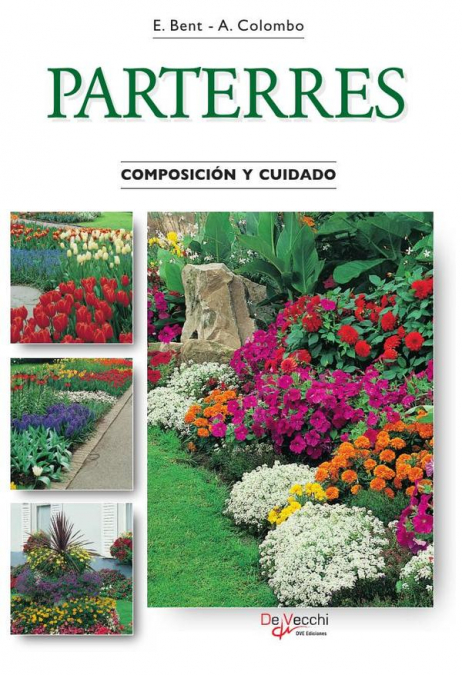
  • Parterres
    A. Colombo / E. Bent
    * Un libro ilustrado en color en el que encontrará información sobre las diferentes especies y variedades que se emplean para componer parterres y borduras * Aprenderá a diseñar sus parterres, a preparar el terreno y a instalar elementos complementarios * Podrá conocer los consejos que ofrecen los especialistas sobre los cuidados que las plantas necesitan durante todo el año: p...
    Disponible

    16,59 €

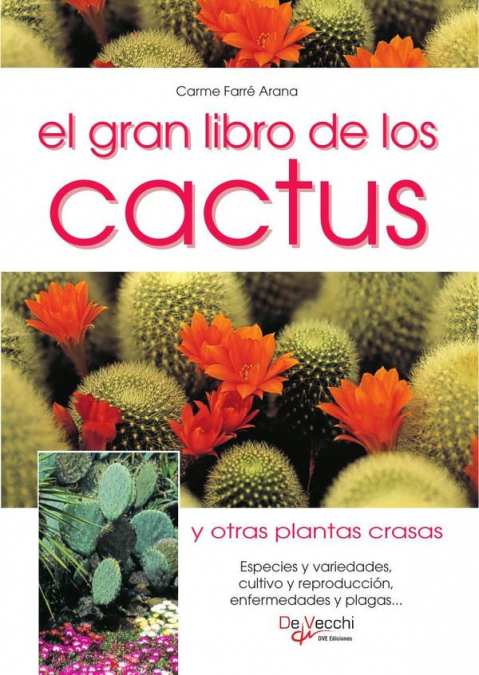
  • El gran libro de los cactus y otras plantas crasas
    Carme Farré Arana
    * Esta obra, ilustrada en color, facilita a los amantes de los cactus y las plantas crasas toda la información necesaria sobre los cuidados que requieren para crecer y desarrollarse en perfectas condiciones (temperatura, iluminación, riego, substrato y abonos más adecuados...) * Podrá conocer cuáles son los sistemas de reproducción más convenientes para sus cactus (por semillas...
    Disponible

    41,55 €

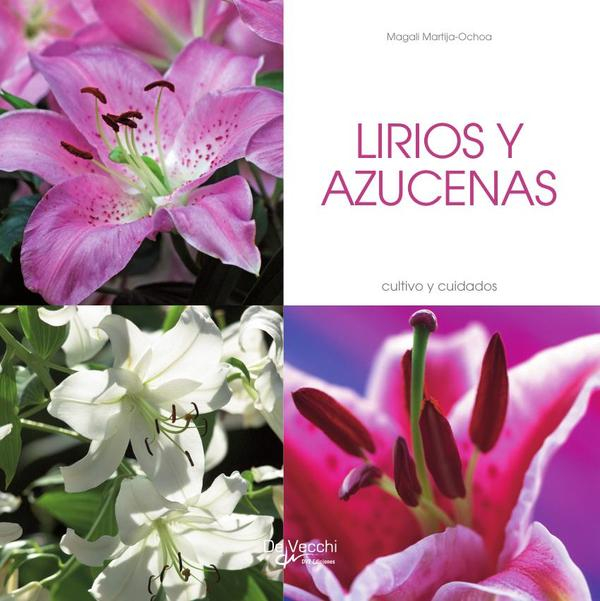
  • Lirios y azucenas
    Magali Martija-Ochoa
    Los lirios y las azucenas son flores de una gran belleza. Según la mitología, surgieron en la Tierra de una gota de leche que cayó del pecho de Hera; Afrodita, celosa de su blancura, habría decidido romperla con la mancha amarilla de los estambres. En este libro encontrará toda la información sobre estas flores: • diferentes especies (lirios asiáticos, orientales, trompetas...)...
    Disponible

    29,07 €

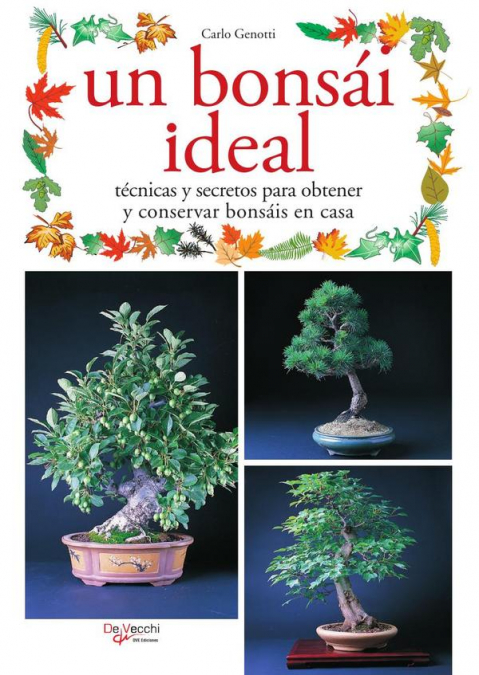
  • Un bonsái ideal
    Carlo Genotti
    * Réplicas en miniatura de los más célebres árboles de nuestros bosques, los bonsáis no dejan de sorprendernos por su belleza y su aspecto extraño * Sin embargo, el cultivo del bonsái es un arte exigente, que requiere el aprendizaje de unas nociones indispensables para lograr la supervivencia y la conservación de los ejemplares * Gracias a este libro, podrá aprender todas las t...
    Disponible

    38,43 €

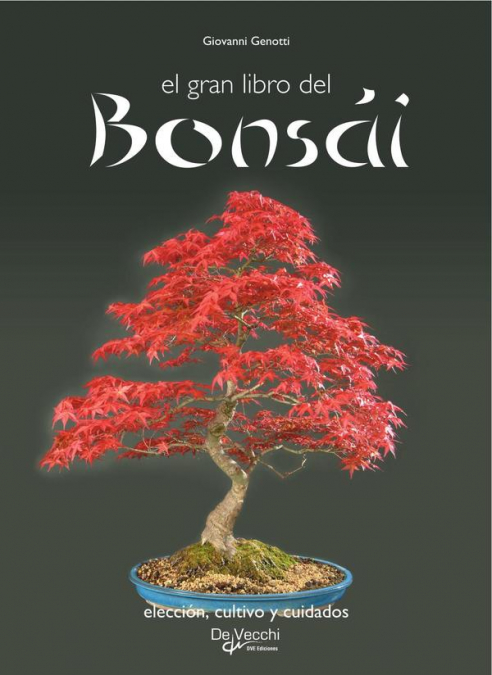
  • El gran libro del bonsái
    Giovanni Genotti
    Los bonsáis, obras maestras de la naturaleza y de la mano del hombre al mismo tiempo, han alcanzado en nuestro país un alto grado de perfección. Equilibrio de volúmenes y de líneas compositivas, armonía de formas, juegos de luces y colores… La vista se extasía al contemplar con detenimiento estos pequeños árboles: se desliza entre las hojas, por las ramas y en la corteza; indag...
    Disponible

    42,59 €

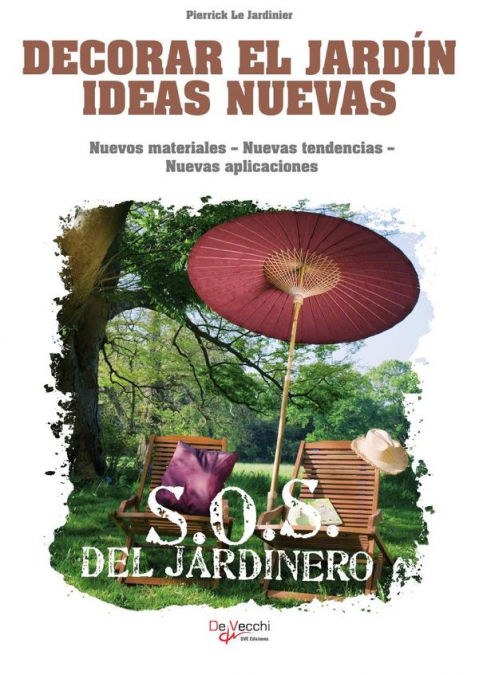
  • Decorar el jardín ideas nuevas
    Pierrick Le Jardinier
    La forma de vivir el jardín evoluciona constantemente, al igual que la idea de «salón en el jardín»: años atrás hacía referencia a una mesa y cuatro sillas, pero hoy en día designa un espacio de intimidad y descanso, donde poder reencontrarse con uno mismo y aislarse del mundo exterior. El jardín se ha convertido en una estancia suplementaria de la casa, y requiere una atención...
    Disponible

    24,91 €

Otros libros del autor

  • HYDROPONICS GARDENING
    ANDREA M. WILSON / ANDREA MWILSON
    When we think of gardening, what we often see in our heads is a man or a woman on all fours crouched over a plot of dirt. They dig a hole, place in a seed or even a whole plant which they have bought, close it up and there you go. Or maybe we think of gardening in line with farming and we picture the same thing, only this time there isn’t someone crouched down but a series of m...
  • HYDROPONICS GROWING SYSTEM
    ANDREA M. WILSON / ANDREA MWILSON
    Are you looking for a step-by-step method for improving your gardening skills? Then keep reading...Hydroponics is the method of growing plants without soil by supplying them with a constant nutrient solution. Despite the fact that this method remains fairly unknown outside of a small sector of the horticultural world it has in fact been around for a long time. It is a system th...
  • HYDROPONICS GROWING SYSTEM
    ANDREA M. WILSON / ANDREA MWILSON
    Are you looking for a step-by-step method for improving your gardening skills? Then keep reading...Hydroponics is the method of growing plants without soil by supplying them with a constant nutrient solution. Despite the fact that this method remains fairly unknown outside of a small sector of the horticultural world it has in fact been around for a long time. It is a system th...
    Disponible

    16,15 €