
HUMES THEORY JUSTICE C

HUMES THEORY JUSTICE C

HARRISON

71,59 €
IVA incluido
Consulta disponibilidad
Editorial:
Oxford University Press
Año de edición:
2013
Materia
Ética y filosofía moral
ISBN:
9780198246190

Selecciona una librería:

  • Librería Samer Atenea
  • Librería Aciertas (Toledo)
  • Kálamo Books
  • Librería Perelló (Valencia)
  • Librería Elías (Asturias)
  • Donde los libros
  • Librería Kolima (Madrid)
  • Librería Proteo (Málaga)

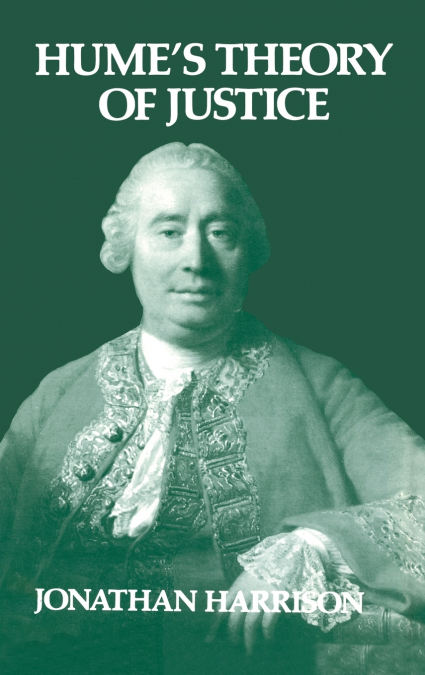
A Treatise of Human Nature was published between 1739 and 174. Book I, entitled Of the Understanding, contains Hume’s epistemology, i.e., his account of the manner in which we acquire knowledge in general, its justification (to the extent that he thought it could be justified), and its limits. Book II, entitled Of the Passions, expounds most of what could be called Hume’s philosophy of psychology in general, and his moral psychology (including discussionsof the problem of the freedom of the will and the rationality of action) in particular. Book III, entitled Of Morals, is also divided into three parts. Part II of Book III, entitled Of justice and injustice, is the subject of the present volume. In it Hume attempts to give an empiricist theory of justice. Herejects the view, approximated to in varying degrees by Cumberland, Cudworth, Locke, Clarke, Wollaston, and Butler, that justice is something natural and part of the nature of things, and that its edicts are eternal and immutable, and discernible by reason. Hume maintains, on the contrary, as did Hobbes and Mandeville, that justice is a matter of observing rules or conventions which are of human invention, and that, in consequence, our acquiring a knowledge of justice is an empirical affair ofascertaining what these rules or conventions are.

Artículos relacionados

  • Ka Ab Ba Building The Lighted Temple
    Dr Terri R. Nelson / Dr Terri RNelson
    The book KaAbBa Building The Lighted Temple/Metaphysical Keys to the Tree of Life draws a circle that is inclusive of the Afrikan origin of the Ancient Kemetic/Egyptian wisdom. It reveals the undeniable root and link of Ancient Africa to all the religious systems that would develop worldwide. This book is explosive in its power to convey the meaning of KaAbBa, the Medu Neter  (...
    Disponible

    37,41 €

  • Technoethics and the Evolving Knowledge Society
    Rocci Luppicini
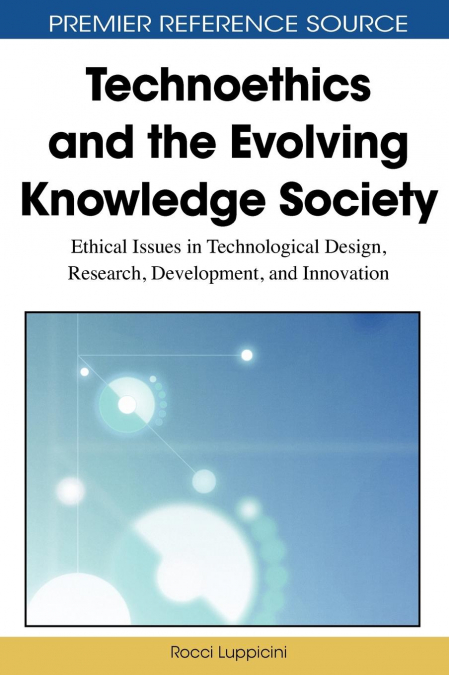
    Recently, there has been a major push to rediscover the ethical dimension of technology across the sciences, social sciences, and humanities. Technoethics and the Evolving Knowledge Society: Ethical Issues in Technological Design, Research, Development, and Innovation examines human processes and practices connected to technology embedded within social, political, and moral sph...
  • Kant
    Immanuel Kant
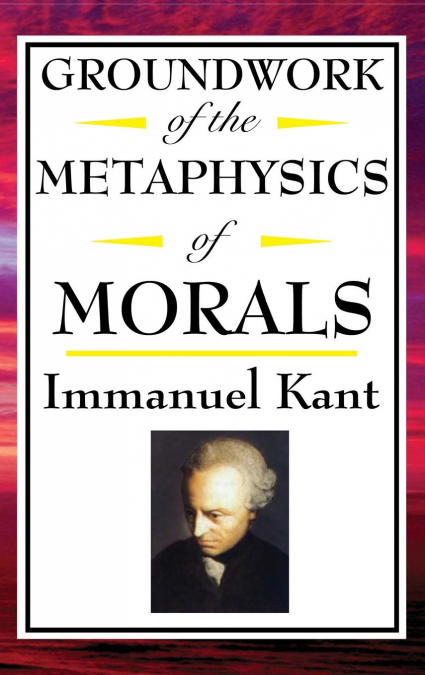
    Kant’s Groundwork of the Metaphysics of Morals is one of the most important works in modern moral philosophy. It belongs beside Plato, Aristotle, Machiavelli, and Hobbes. Here Kant sets out to articulate and defend the Categorical Imperative - the fundamental principle that underlies moral reasoning - and to lay the foundation for a comprehensive account of justice and human vi...
  • On the Duty of Civil Disobedience
    HENRY DAVID THOREAU
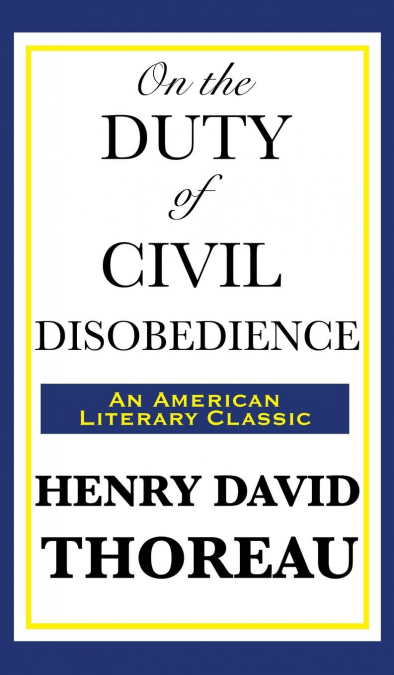
    Civil Disobedience argues that citizens should not permit their governments to overrule their consciences, and that they have a duty to avoid allowing their acquiescence to enable the government to make them the agents of injustice. Thoreau was motivated in part by his disgust with slavery and the Mexican-American War, but the sentiments he expresses here are just as pertinent ...
  • Beyond Good and Evil
    Friedrich Nietzsche
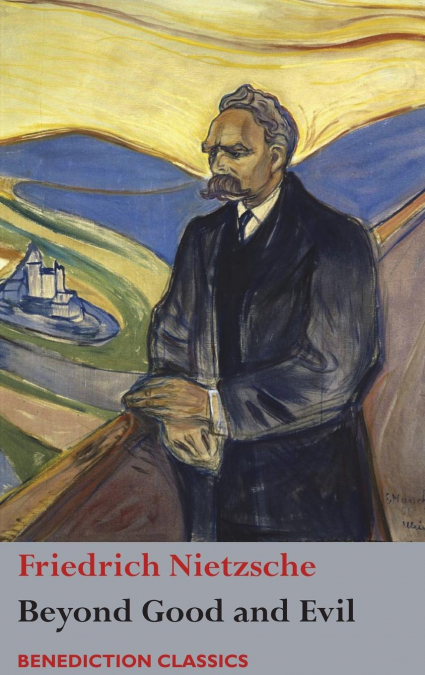
    Nietzsche, though primarily a philosopher, wrote widely on art, philology, history, religion, tragedy, culture, and science.  In 1886, at the height of his powers, he published Beyond Good and Evil.  Here he examines much of the best of human thought--dogmatic philosophy, Judeo-Christian morality, science and democracy – and finds it lacking.  Rejecting “slave-morality” he pres...
  • Beyond Good and Evil
    Friedrich Nietzsche
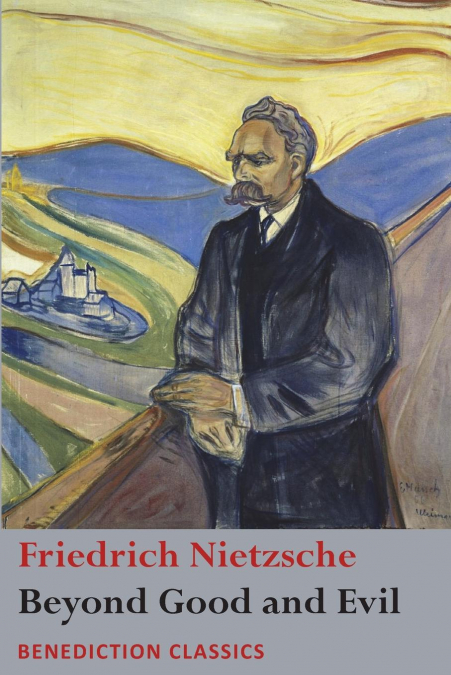
    Nietzsche, though primarily a philosopher, wrote widely on art, philology, history, religion, tragedy, culture, and science.  In 1886, at the height of his powers, he published Beyond Good and Evil.  Here he examines much of the best of human thought--dogmatic philosophy, Judeo-Christian morality, science and democracy – and finds it lacking.  Rejecting “slave-morality” he pres...
    Disponible

    9,99 €

Otros libros del autor

  • Plucking from Fig Trees
    Harrison
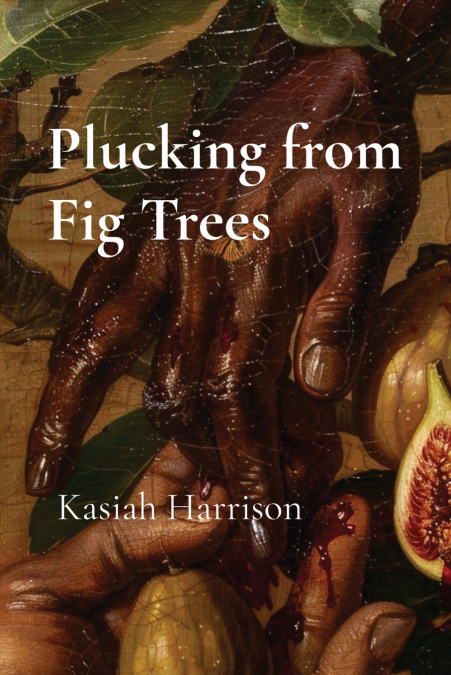
    In the heart of Andalusia, during an era where the Moorish empire flourished, a love story began that would transcend time itself. Safwan and Aurya, two souls bound by fate, find themselves cursed with immortality and an unending loneliness. 'Plucking from Fig Trees' weaves a tale of eternal love and torment, following these star-crossed lovers through centuries of change, conf...
    Disponible

    17,20 €

  • DEVELOPMENTALISM DSA C
    HARRISON
    ...
  • SAVING THE OCEANS THROUGH LAW C
    HARRISON
    0 ...
  • Listen, We Need to Talk
    Harrison
    ...
  • Disturbing Conventions
    Harrison
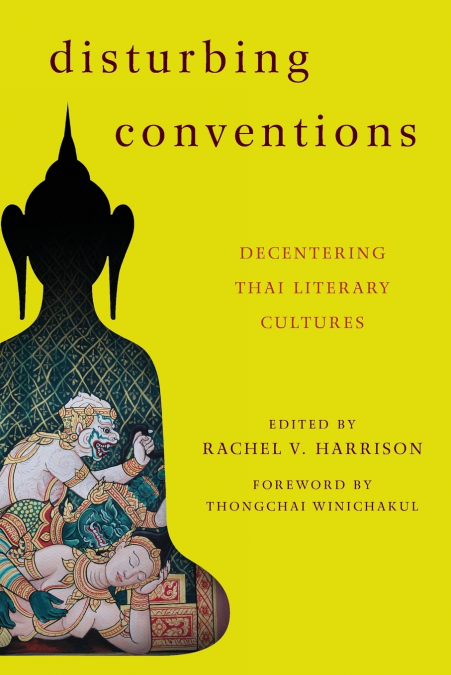
    An interdisciplinary collection that seeks to explore Thai literature in the wider context of the global perspectives, themes and debates within the study of World Literature. In the wake of recent unrest in the country, it offers a rare insight into the unique cultural, political and historical context of Thailand. ...
    Disponible

    73,31 €

  • FRAMING THE ASS C
    HARRISON
    0 ...