 Librería Samer Atenea
 Kálamo Books
 Librería Elías (Asturias)
 Librería Kolima (Madrid)
 Librería Proteo (Málaga)
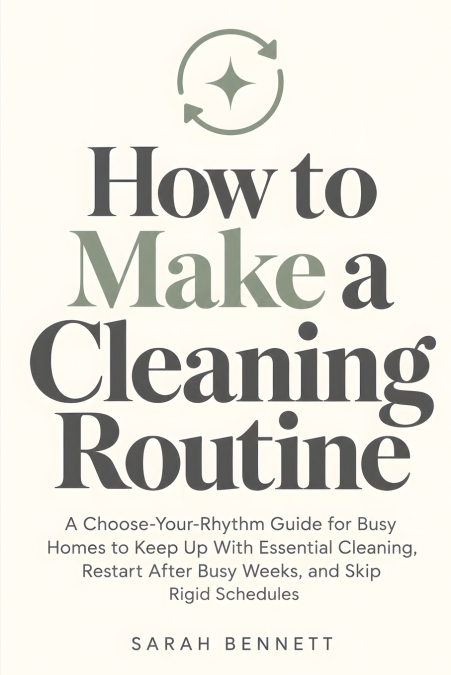
One missed cleaning day should not turn into a weekend spent trying to repair the whole house. Yet rigid chore charts often do exactly that. A bathroom assigned to Tuesday stays overdue on Wednesday. Laundry slips. The kitchen gets harder to use. Soon, every room feels equally urgent.How to Make a Cleaning Routine gives you a better structure: the Minimum Useful Rhythm. Instead of assigning every task to a fixed weekday, you build a routine around your household’s actual use, available energy, and clear restart points.Inside, you’ll learn how to:Define essential cleaning for your own homeSeparate basic care from decluttering, deep cleaning, and optional polishingAssess your household’s real cleaning loadAssign tasks to use-based care, regular passes, or a whole-home resetUse visible thresholds instead of overdue calendar boxesAttach cleaning tasks to household anchors that already happenReduce the scope of care during low-energy weeksAssign complete outcomes in a shared homeFollow a fixed busy-week restart sequence without catching up on everythingThis guide is for adults who want a cleaner, calmer home but abandon detailed schedules after work deadlines, school events, travel, illness, or plain exhaustion. It works in apartments, family homes, shared households, and lower-energy seasons. You do not need a larger planner, expensive products, or an all-day cleaning session. You need a baseline that protects food safety, usable clothing, active bathrooms, and clear pathways.Build a cleaning routine you can return to.