 Librería Samer Atenea
 Kálamo Books
 Librería Elías (Asturias)
 Librería Kolima (Madrid)
 Librería Proteo (Málaga)
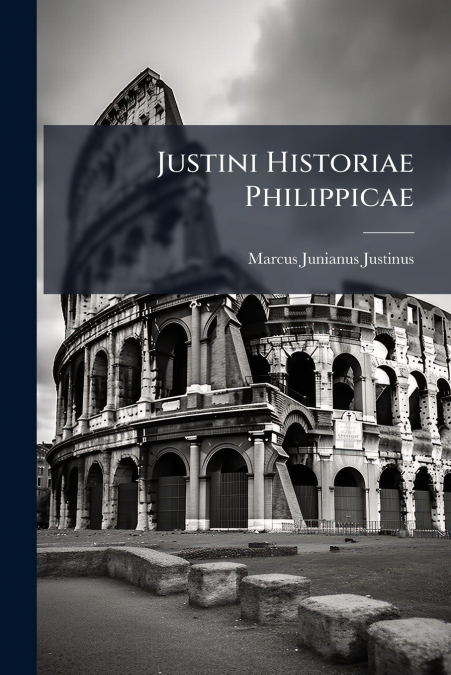
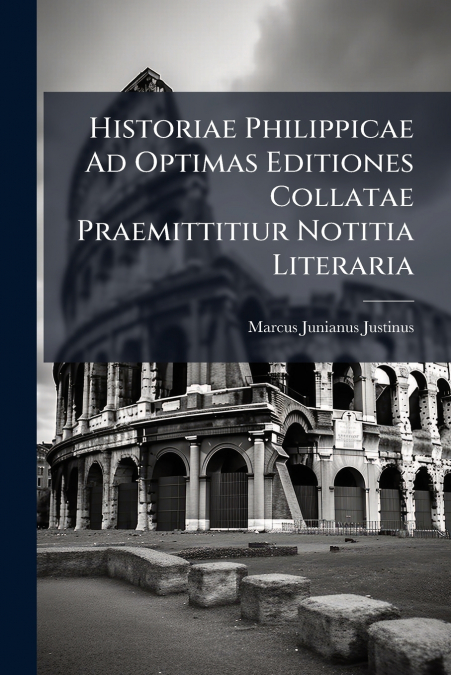
'Historiae Philippicae' is a historical work attributed to Marcus Junianus Justinus, offering a concise and accessible overview of world history with a particular focus on the rise and fall of empires. Drawing from earlier, more extensive works, Justinus presents a narrative that spans from ancient times to the Roman era. The book provides insights into the cultures, conflicts, and key figures that shaped the ancient world, especially regarding Alexander the Great and his successors.This edition, 'Historiae Philippicae Ad Optimas Editiones Collatae Praemittitiur Notitia Literaria,' is meticulously collated with the best editions available, offering a reliable text for students and scholars. It is prefaced with a literary notice, enhancing its value as a resource for those studying classical history and literature. Justinus’ work remains a valuable window into the past, offering perspectives on the lessons and legacies of ancient civilizations.This work has been selected by scholars as being culturally important, and is part of the knowledge base of civilization as we know it. This work was reproduced from the original artifact, and remains as true to the original work as possible. Therefore, you will see the original copyright references, library stamps (as most of these works have been housed in our most important libraries around the world), and other notations in the work.This work is in the public domain in the United States of America, and possibly other nations. Within the United States, you may freely copy and distribute this work, as no entity (individual or corporate) has a copyright on the body of the work.As a reproduction of a historical artifact, this work may contain missing or blurred pages, poor pictures, errant marks, etc. Scholars believe, and we concur, that this work is important enough to be preserved, reproduced, and made generally available to the public. We appreciate your support of the preservation process, and thank you for being an important part of keeping this knowledge alive and relevant.