 Librería Samer Atenea
 Kálamo Books
 Librería Elías (Asturias)
 Librería Kolima (Madrid)
 Librería Proteo (Málaga)
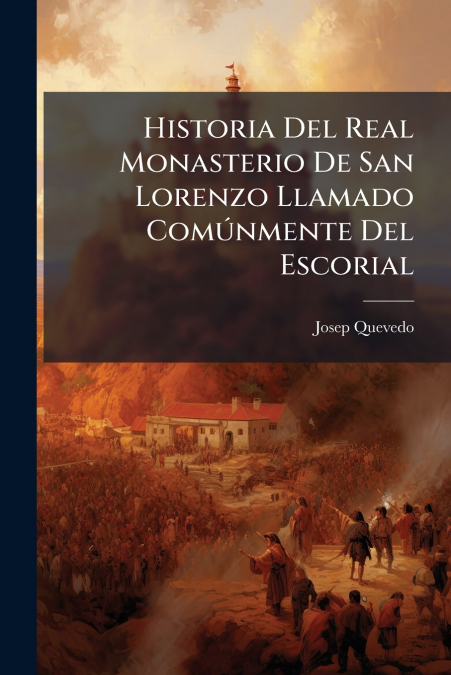
Descubre la fascinante historia del Real Monasterio de San Lorenzo de El Escorial, un monumento icónico de España. En 'Historia Del Real Monasterio De San Lorenzo Llamado Comúnmente Del Escorial', Josep Quevedo narra la trayectoria de este impresionante complejo desde su origen y fundación hasta el presente. El libro ofrece una descripción detallada de las bellezas artísticas y literarias que alberga el monasterio. Sumérgete en el contexto histórico y arquitectónico de esta joya renacentista, construida bajo el reinado de Felipe II. Explora la riqueza cultural y religiosa que emana de sus muros, y comprende la importancia del Monasterio de El Escorial como símbolo del poder y la espiritualidad en la España del siglo XVI. Esta obra es esencial para cualquier persona interesada en la historia de España, la arquitectura renacentista y el patrimonio cultural europeo.This work has been selected by scholars as being culturally important, and is part of the knowledge base of civilization as we know it. This work was reproduced from the original artifact, and remains as true to the original work as possible. Therefore, you will see the original copyright references, library stamps (as most of these works have been housed in our most important libraries around the world), and other notations in the work.This work is in the public domain in the United States of America, and possibly other nations. Within the United States, you may freely copy and distribute this work, as no entity (individual or corporate) has a copyright on the body of the work.As a reproduction of a historical artifact, this work may contain missing or blurred pages, poor pictures, errant marks, etc. Scholars believe, and we concur, that this work is important enough to be preserved, reproduced, and made generally available to the public. We appreciate your support of the preservation process, and thank you for being an important part of keeping this knowledge alive and relevant.