 Librería Samer Atenea
 Kálamo Books
 Librería Elías (Asturias)
 Librería Kolima (Madrid)
 Librería Proteo (Málaga)
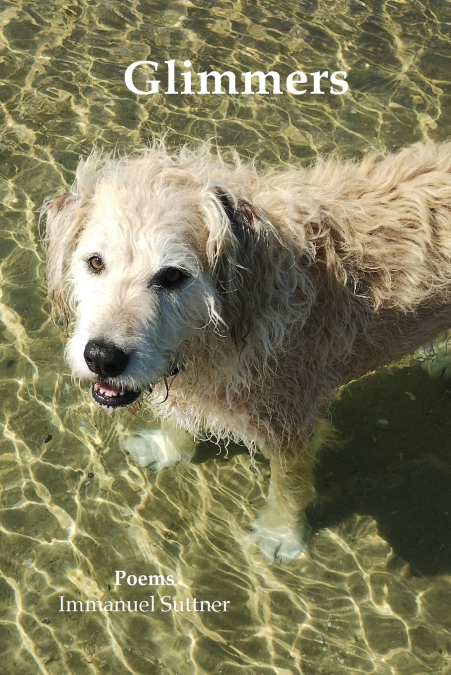
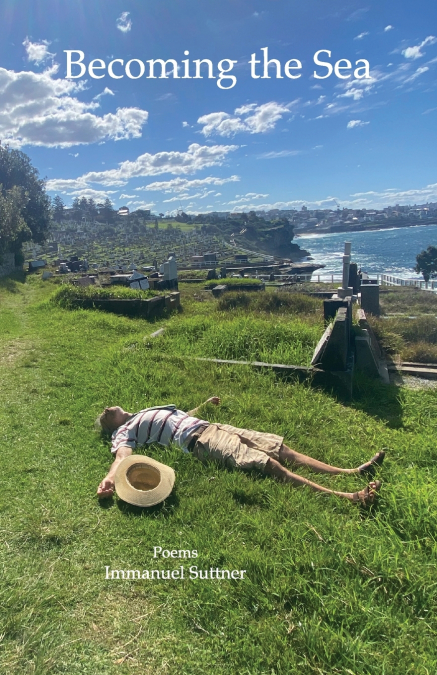
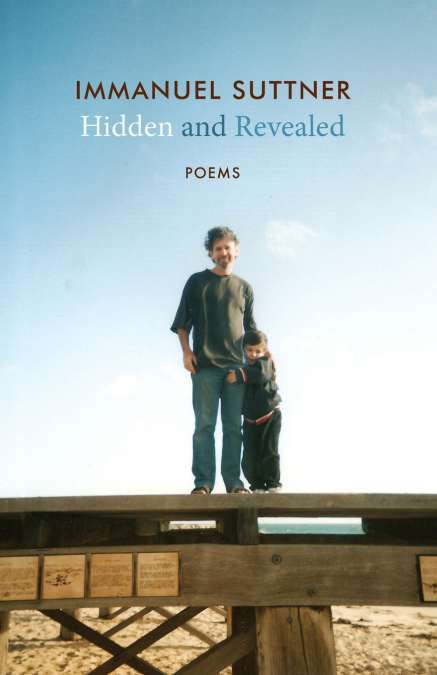
Simple, accessible, intimate and spiritual poems, moving between Jerusalem and Johannesburg. Their voice colloquial, their content ranging from the confessional to the devotional. The late Jeremy Gordin, himself a poet, critic, prize winning journalist and editor, wrote of this collection in the Sunday Independent: ''Immanuel Suttner’s poetry is beautiful and extraordinarily and unexpectedly moving. It is also witty and what some would call ’spiritual’. But what moves me most is this: Some poetry misleads readers because it seems so simple. Readers should be cautioned. This kind of poetry is ’simple’. But it is not the simplicity of shallowness: it is the lucidity of a very deep pool.' Located in three realms - South Africa, Israel, and, most significantly, the poet’s internal landscape - the poems always move towards the personal. Many are laced with wry humour. Victor Dlamini, another South African literary critic, wrote in his blog Book SA 'Immanuel Suttner has a gift for communicating paradox, often through poems that are disarmingly simple, but always with a sting in the punchline. 'Punchline' here is apt, for Suttner likens some of what he writes to a good joke, saying that when the poetry works, it has a climax that is fresh and surprising - but also familiar, almost intimate, able to worm its way under one’s skin.'Some of the poems are subjective snapshots of South Africa in transition in the 1990s and early 2000s, in all of its cruel, crazy, beautiful contradictions. Others draw upon the poets’ time in Israel, and thereafter as a diaspora Jew with an intense connection to Israel. The meanings and construction of 'Jewishness' as an identity are explored - whether wrestling with the inter-generational trauma of being othered and marginalised, unpacking the costs and benefits of piety vs secularism, or probing the tensions between the collective and the individual. Suttner drinks deep from the wells of an ancient inheritance, whilst unpacking his own multivalenced selfhood. And while commenting upon contemporary Jewish experience, including its contradictions and challenges, the poems are universal, providing a window for the curious and the receptive into a particular iteration of the human story.. 6