Inicio > Humanidades > Filosofía > Ética y filosofía moral > Hefesto, Dionísio, Hermes, Ares E Apolo: Jovens Deuses, Em Confusos “olimpos”, Reescrevem Novas “teogonias” E “ilíadas”:
Hefesto, Dionísio, Hermes, Ares E Apolo: Jovens Deuses, Em Confusos “olimpos”, Reescrevem Novas “teogonias” E “ilíadas”:

Hefesto, Dionísio, Hermes, Ares E Apolo: Jovens Deuses, Em Confusos “olimpos”, Reescrevem Novas “teogonias” E “ilíadas”:

De Oliveira Ramos / Roseli Adriana Maria De Oliveira Ramos E Ana Maria De Oliveira Ramos Costa (orgs.)

16,12 €
IVA incluido
Disponible
Editorial:
Clube de Autores - Pensática, Unipessoal
Año de edición:
2022
Materia
Ética y filosofía moral
ISBN:
9786500457391
16,12 €
IVA incluido
Disponible

Selecciona una librería:

  • Librería Samer Atenea
  • Librería Aciertas (Toledo)
  • Kálamo Books
  • Librería Perelló (Valencia)
  • Librería Elías (Asturias)
  • Donde los libros
  • Librería Kolima (Madrid)
  • Librería Proteo (Málaga)

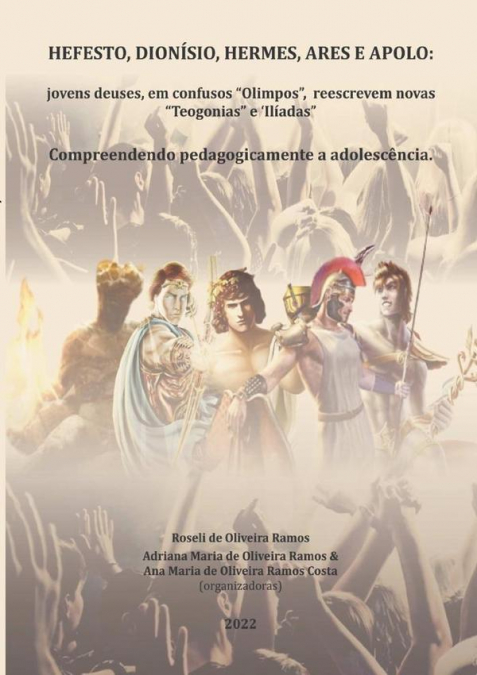
A vida é um poema que a Musa cultura narra através de seus oráculos, cuja inspiração se ancora nos diversos personagens da saga humana, ultrapassando os fenômenos da ciência, da tecnologia, da política, da literatura, da arte, da filosofia, da religião, focando na apropriação do homem por si mesmo, no universo dos deuses e heróis que lhe habitam, o fúlgido horizonte de sua epopeia, em busca de sentidos para um tempo finito em um universo infinito.As “Teogonias” e “Ilíadas” de hoje remetem a múltiplos “Olimpos” que abrigam uma complexa diversidade de deuses e heróis. Suas sandálias, vestes, cedros, moradias, adereços, poderes, ao tempo que os singularizam diferindo as gerações de deuses e heróis, os assemelham em arquétipos mitológicos básicos da natureza humana. As “matrix” que os abrigam apresentam realidades simuladas, virtuais e físicas, com códigos de acesso e exclusão, com mensagens cifradas capazes de distanciá-los até de si mesmo, aprisionando-os muitas vezes em rochas do tempo, em aplicativos de fugas, em profecias fatalistas, em ordens de pensamentos, gestos e hábitos rituais, ou libertando-os para uma comunicação profunda consigo, com outros heróis e deuses, sinalizando para construção de sentidos a sua existência.As cascatas de mitos que continuam circulando na cultura trazem, entre outros, alguns dos jovens deuses como Hefesto, Dionísio, Hermes, Ares e Apolo, a brincar e ensinar simbolicamente aos mortais, coragem, virtudes, transcendência, mas precisam que os “Hesíodos e “Homeros,representados nas instituições educativas, de arte e lazer, de saúde, de assistência social, de organização comunitária, de trabalho, de ciência e tecnologias, de comunicação, de políticas, de religião, de segurança e justiça, de direitos humanos e vivências compartilhadas, concebamversos numinosos, nos quais a linguagem suporte o imaginário com situações esquizomorfas, místicas e sintéticas,em experie^ncias que possam sacralizar a vida e as características humanas.Esse livro é o primeiro de uma tríade, nos quais foram selecionados alguns estudos da pesquisadora Roseli de Oliveira Ramos que, embora constelados em figuras de deuses masculinos, simbolicamente representam qualidades presentes nos humanos de qualquer gênero, com reflexões sobre imagens de jovens deuses que se escondem no cotidiano, trazendo dissimuladas sua estrutura heroica, mística e disseminatória, possíveis de serem decodificados a partir de alguns transdutores híbridos, como seus complexos afetivo-representacionais,afetivo-motores e afetivo-motor-actanciais, pois que, segundo Durand (2002), evidenciam modos de pensar, valorar e agir residuais que transitam magnetizados entre os polos na trajetividade humana.
Artículos relacionados

  • Ka Ab Ba Building The Lighted Temple
    Dr Terri R. Nelson / Dr Terri RNelson
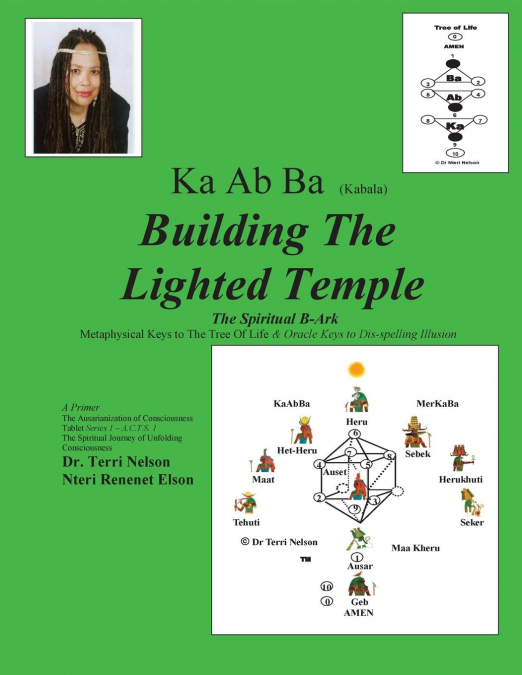
    The book KaAbBa Building The Lighted Temple/Metaphysical Keys to the Tree of Life draws a circle that is inclusive of the Afrikan origin of the Ancient Kemetic/Egyptian wisdom. It reveals the undeniable root and link of Ancient Africa to all the religious systems that would develop worldwide. This book is explosive in its power to convey the meaning of KaAbBa, the Medu Neter  (...
    Disponible

    37,41 €

  • Technoethics and the Evolving Knowledge Society
    Rocci Luppicini
    Recently, there has been a major push to rediscover the ethical dimension of technology across the sciences, social sciences, and humanities. Technoethics and the Evolving Knowledge Society: Ethical Issues in Technological Design, Research, Development, and Innovation examines human processes and practices connected to technology embedded within social, political, and moral sph...
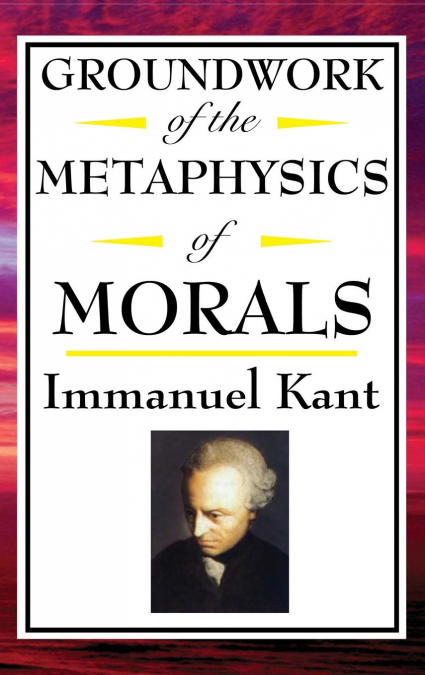
  • Kant
    Immanuel Kant
    Kant’s Groundwork of the Metaphysics of Morals is one of the most important works in modern moral philosophy. It belongs beside Plato, Aristotle, Machiavelli, and Hobbes. Here Kant sets out to articulate and defend the Categorical Imperative - the fundamental principle that underlies moral reasoning - and to lay the foundation for a comprehensive account of justice and human vi...
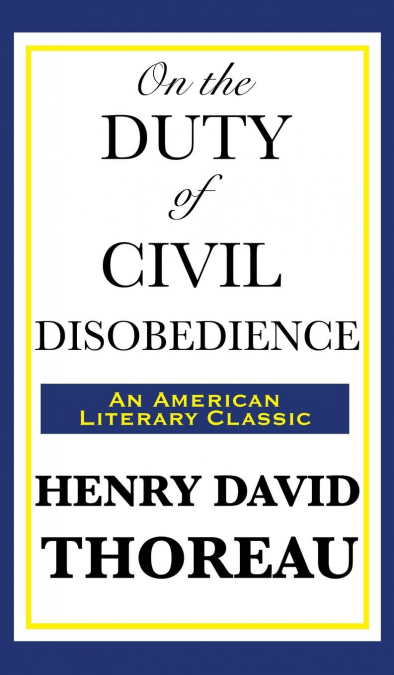
  • On the Duty of Civil Disobedience
    HENRY DAVID THOREAU
    Civil Disobedience argues that citizens should not permit their governments to overrule their consciences, and that they have a duty to avoid allowing their acquiescence to enable the government to make them the agents of injustice. Thoreau was motivated in part by his disgust with slavery and the Mexican-American War, but the sentiments he expresses here are just as pertinent ...
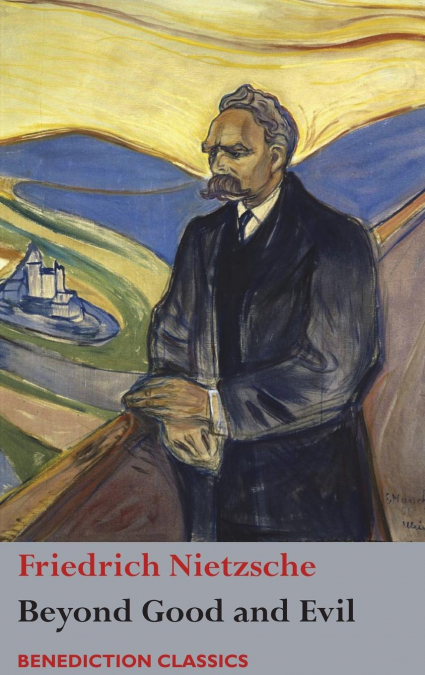
  • Beyond Good and Evil
    Friedrich Nietzsche
    Nietzsche, though primarily a philosopher, wrote widely on art, philology, history, religion, tragedy, culture, and science.  In 1886, at the height of his powers, he published Beyond Good and Evil.  Here he examines much of the best of human thought--dogmatic philosophy, Judeo-Christian morality, science and democracy – and finds it lacking.  Rejecting “slave-morality” he pres...
  • Beyond Good and Evil
    Friedrich Nietzsche
    Nietzsche, though primarily a philosopher, wrote widely on art, philology, history, religion, tragedy, culture, and science.  In 1886, at the height of his powers, he published Beyond Good and Evil.  Here he examines much of the best of human thought--dogmatic philosophy, Judeo-Christian morality, science and democracy – and finds it lacking.  Rejecting “slave-morality” he pres...
    Disponible

    9,99 €