
Inicio > Humanidades > Filosofía > Ética y filosofía moral > Hannah Arendt o el coraje de pensar. (Ensayo biográfico)
Hannah Arendt o el coraje de pensar. (Ensayo biográfico)

Hannah Arendt o el coraje de pensar. (Ensayo biográfico)

José Lasaga Medina

17,68 €
IVA incluido
Disponible
Editorial:
Lambda Editorial
Año de edición:
2026
Materia
Ética y filosofía moral
ISBN:
9786078986989
17,68 €
IVA incluido
Disponible

Selecciona una librería:

  • Librería Samer Atenea
  • Kálamo Books
  • Librería Elías (Asturias)
  • Librería Kolima (Madrid)
  • Librería Proteo (Málaga)

El corto siglo XX ha recibido muchos nombres y padecido muchos interpretes. Pocos de ellos han merecido pasar a la indecisa posteridad del siglo XXI como Hannah Arendt. Las razones por las que su obra sigue presente entre nosotros son múltiples. Mencionaré una: la coherencia entre vida y pensamiento que ofrece su biografía. De ahí el formato mixto de este libro: una exposición de su obra engastada sobre su peripecia vital. De los acontecimientos que le tocaron en suerte vivir, —su formación con la última generación de grandes maestros de la filosofía alemana, la ascensión del nazismo, su actividad política inscrita en el sionismo, por un tiempo, y su emigración a los Estados Unidos— extrajo las preguntas que la incitaron a escribir, a pensar, a dialogar. Ahí están los libros en los que procuró comprender el mundo, desde el suceso que partió en dos el siglo, Auschwitz, lo que le guió al análisis de los totalitarismos,y más tarde al polémico y controvertido ensayo sobre la banalidad del mal. Las reflexiones sobre La condición humana y La vida del espíritu dan espesor filosófico a sus interpretaciones de la acción política y se han convertido ya en lecturas imprescindibles para comprender nuestro tiempo. Mencionar en el subtítulo de este ensayo biográfico “el coraje de pensar”, se justifica porque fue esa virtud la que mejor resume su temple vital, tan necesaria para los hombres de acción como para los verdaderos filósofos.
Artículos relacionados

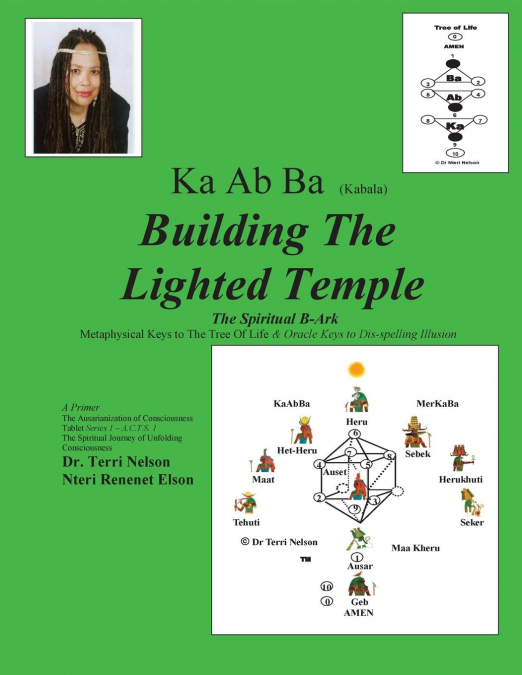
  • Ka Ab Ba Building The Lighted Temple
    Dr Terri R. Nelson / Dr Terri RNelson
    The book KaAbBa Building The Lighted Temple/Metaphysical Keys to the Tree of Life draws a circle that is inclusive of the Afrikan origin of the Ancient Kemetic/Egyptian wisdom. It reveals the undeniable root and link of Ancient Africa to all the religious systems that would develop worldwide. This book is explosive in its power to convey the meaning of KaAbBa, the Medu Neter  (...
    Disponible

    37,41 €

  • Technoethics and the Evolving Knowledge Society
    Rocci Luppicini
    Recently, there has been a major push to rediscover the ethical dimension of technology across the sciences, social sciences, and humanities. Technoethics and the Evolving Knowledge Society: Ethical Issues in Technological Design, Research, Development, and Innovation examines human processes and practices connected to technology embedded within social, political, and moral sph...
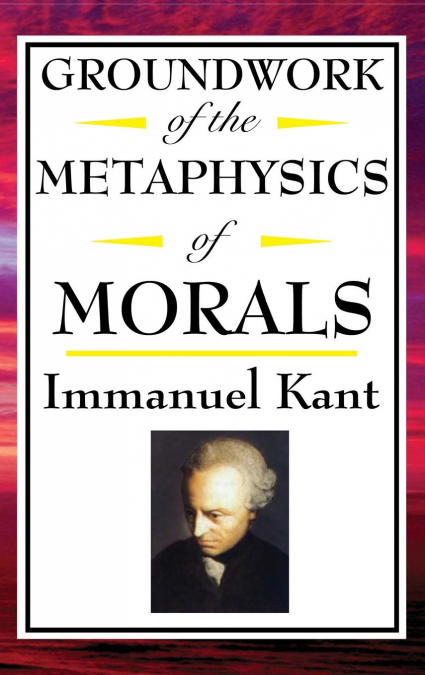
  • Kant
    Immanuel Kant
    Kant’s Groundwork of the Metaphysics of Morals is one of the most important works in modern moral philosophy. It belongs beside Plato, Aristotle, Machiavelli, and Hobbes. Here Kant sets out to articulate and defend the Categorical Imperative - the fundamental principle that underlies moral reasoning - and to lay the foundation for a comprehensive account of justice and human vi...
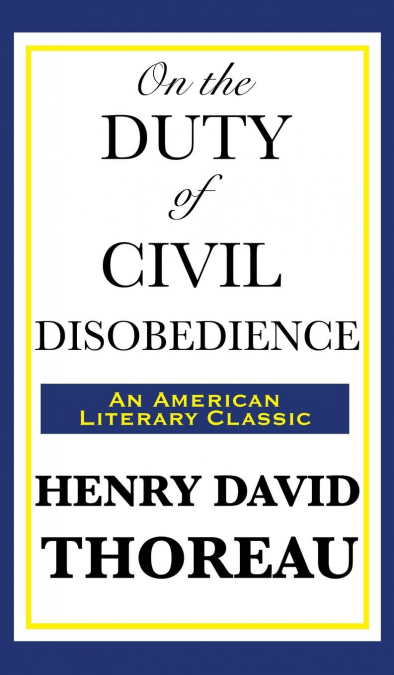
  • On the Duty of Civil Disobedience
    HENRY DAVID THOREAU
    Civil Disobedience argues that citizens should not permit their governments to overrule their consciences, and that they have a duty to avoid allowing their acquiescence to enable the government to make them the agents of injustice. Thoreau was motivated in part by his disgust with slavery and the Mexican-American War, but the sentiments he expresses here are just as pertinent ...
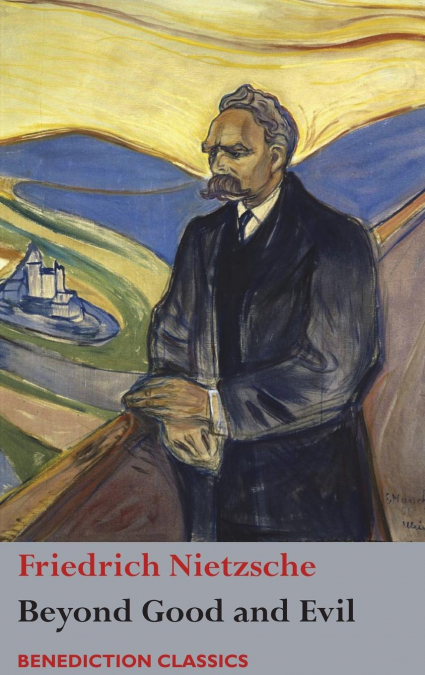
  • Beyond Good and Evil
    Friedrich Nietzsche
    Nietzsche, though primarily a philosopher, wrote widely on art, philology, history, religion, tragedy, culture, and science.  In 1886, at the height of his powers, he published Beyond Good and Evil.  Here he examines much of the best of human thought--dogmatic philosophy, Judeo-Christian morality, science and democracy – and finds it lacking.  Rejecting “slave-morality” he pres...
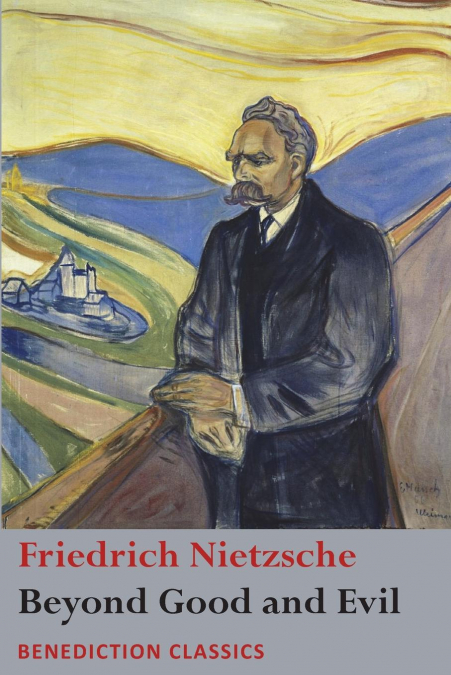
  • Beyond Good and Evil
    Friedrich Nietzsche
    Nietzsche, though primarily a philosopher, wrote widely on art, philology, history, religion, tragedy, culture, and science.  In 1886, at the height of his powers, he published Beyond Good and Evil.  Here he examines much of the best of human thought--dogmatic philosophy, Judeo-Christian morality, science and democracy – and finds it lacking.  Rejecting “slave-morality” he pres...
    Disponible

    9,99 €