

 Librería Samer Atenea
 Kálamo Books
 Librería Elías (Asturias)
 Librería Kolima (Madrid)
 Librería Proteo (Málaga)
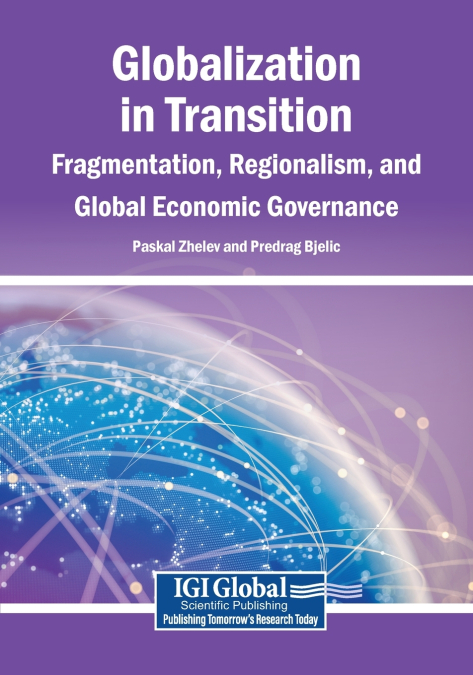
Geopolitical tensions, economic nationalism, technological competition, and evolving trade relationships are reshaping the structure of the global economy. While decades of economic integration strengthened cross-border markets and global value chains, recent trends toward fragmentation and regionalism have prompted governments, businesses, and international institutions to reassess the balance between national priorities and global cooperation. Emerging regional trade agreements, supply chain realignments, and shifting economic alliances are redefining patterns of production, investment, and development. These transformations present significant challenges for global economic governance, requiring new approaches to trade policy, regional cooperation, sustainability, and collective responses to transnational issues. Examining globalization in transition provides valuable insights into the forces reshaping the international economic order and their implications for economic growth, resilience, and international cooperation. Globalization in Transition: Fragmentation, Regionalism, and Global Economic Governance explores how globalization is being reconfigured by rising economic fragmentation, regional trade integration, geopolitical competition, and the restructuring of global supply chains. This book examines the implications of these developments for global economic governance, international cooperation, trade and investment policy, economic inequality, sustainable development, and the effectiveness of international institutions in addressing shared economic challenges. Covering topics such as deglobalization, plurilateral trade agreements, and sustainable development, this book serves as a valuable resource for policymakers, economists, international relations scholars, business leaders, development practitioners, researchers, and students of global affairs.





