
Inicio > Humanidades > Filosofía > Ética y filosofía moral > Geschichte des Selbstbewusstseins
Geschichte des Selbstbewusstseins

Geschichte des Selbstbewusstseins

Ulrich Claesges

72,77 €
IVA incluido
Disponible
Editorial:
Springer Nature B.V.
Año de edición:
1974
Materia
Ética y filosofía moral
ISBN:
9789401184120
72,77 €
IVA incluido
Disponible

Selecciona una librería:

  • Librería Samer Atenea
  • Librería Aciertas (Toledo)
  • Kálamo Books
  • Librería Perelló (Valencia)
  • Librería Elías (Asturias)
  • Donde los libros
  • Librería Kolima (Madrid)
  • Librería Proteo (Málaga)

Aufgabe der vorliegenden Untersuchung ist eine Interpretation der friihen Wissenschaftslehre Fichtes unter einem iiber Fichte insgesamt hinausweisenden systematischen Gesichtspunkt. Diese Aufgabe bedarf einer Erlauterung. Die Fichte-Literatur der letzten Jahre hat sich vornehmlich dem spateren Fichte zugewandt, und zwar meist in einer apologetischen Absicht: Es gilt, Fichte gegen den von Richard Kroner! vorgenomme­ nen Versuch, dessen Wissenschaftslehre in die Entwicklung des Deut­ schen Idealismus von Kant zu Hegel einzubeziehen, zu verteidigen. Das sicher einseitige Fichtebild Kroners, der nur die friihe Wissen­ schaftslehre Fichtes beriicksichtigt und dessen weitere Entwicklung 2 ignoriert, hat die neuere Forschung iiberzeugend revidiert. Fiir Kroner waren Kant, Fichte und Schelling ebenso wie die 'Randfiguren' Rein­ hold, Maimon und andere nichts als Vorlaufer Hegels, und zwar so, daB dessen System die Verwirklichung der Programme seiner Vorganger darstellt und somit die Auflosung aller Fragen und Aporien enthalt, die den Weg zu ihm hin kennzeichnen. Wenn man etwa die Wissenschaftslehren von r80r und r804, die von Fichte seIber aber nicht veroffentlicht wurden, beriicksichtigt, dann scheint in der Tat eine Einordnung Fichtes in den wie immer gearteten Entwicklungsgang des Deutschen Idealismus unmoglich. Hier ist aber eine differenziertere Betrachtungsweise angebracht. Wenn Schelling seine friihen Schriften in einer Aufnahme und Um­ bildung Fichtescher Gedanken konzipiert; wenn Hegel in seinen J enaer Schriften in eine Auseinandersetzung zwischen Fichte und Schelling eingreift und dabei erstmalig seine eigenen, auch von Schelling ab- 1 R. Kroner, Von Kant zu Hegel. 2 Bde. Tiibingen 1921/24.


Artículos relacionados

  • Ka Ab Ba Building The Lighted Temple
    Dr Terri R. Nelson / Dr Terri RNelson
    The book KaAbBa Building The Lighted Temple/Metaphysical Keys to the Tree of Life draws a circle that is inclusive of the Afrikan origin of the Ancient Kemetic/Egyptian wisdom. It reveals the undeniable root and link of Ancient Africa to all the religious systems that would develop worldwide. This book is explosive in its power to convey the meaning of KaAbBa, the Medu Neter  (...
    Disponible

    37,41 €

  • Technoethics and the Evolving Knowledge Society
    Rocci Luppicini
    Recently, there has been a major push to rediscover the ethical dimension of technology across the sciences, social sciences, and humanities. Technoethics and the Evolving Knowledge Society: Ethical Issues in Technological Design, Research, Development, and Innovation examines human processes and practices connected to technology embedded within social, political, and moral sph...
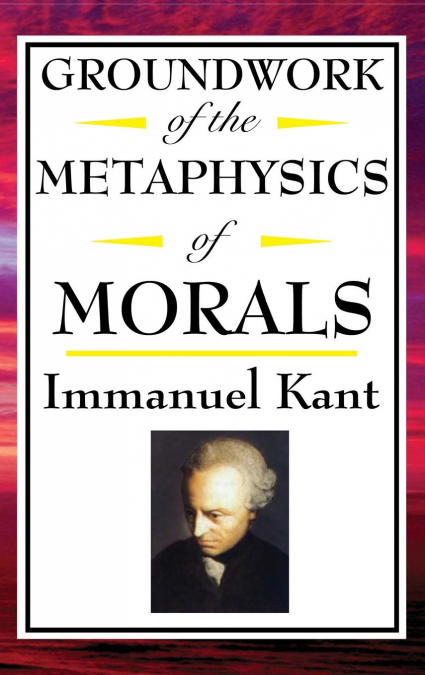
  • Kant
    Immanuel Kant
    Kant’s Groundwork of the Metaphysics of Morals is one of the most important works in modern moral philosophy. It belongs beside Plato, Aristotle, Machiavelli, and Hobbes. Here Kant sets out to articulate and defend the Categorical Imperative - the fundamental principle that underlies moral reasoning - and to lay the foundation for a comprehensive account of justice and human vi...
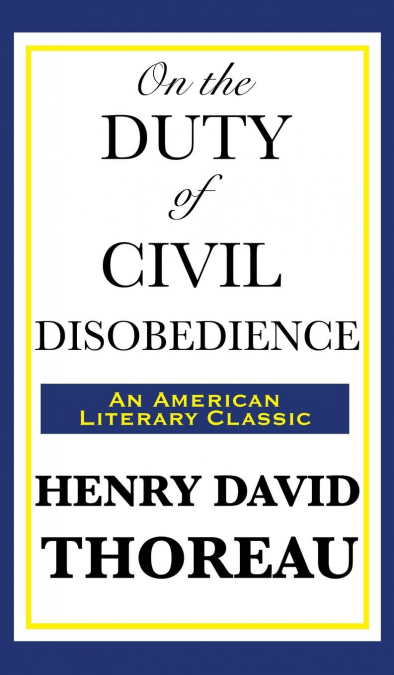
  • On the Duty of Civil Disobedience
    HENRY DAVID THOREAU
    Civil Disobedience argues that citizens should not permit their governments to overrule their consciences, and that they have a duty to avoid allowing their acquiescence to enable the government to make them the agents of injustice. Thoreau was motivated in part by his disgust with slavery and the Mexican-American War, but the sentiments he expresses here are just as pertinent ...
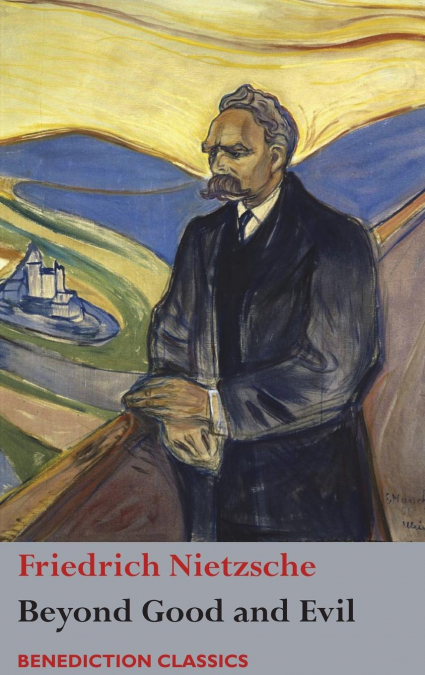
  • Beyond Good and Evil
    Friedrich Nietzsche
    Nietzsche, though primarily a philosopher, wrote widely on art, philology, history, religion, tragedy, culture, and science.  In 1886, at the height of his powers, he published Beyond Good and Evil.  Here he examines much of the best of human thought--dogmatic philosophy, Judeo-Christian morality, science and democracy – and finds it lacking.  Rejecting “slave-morality” he pres...
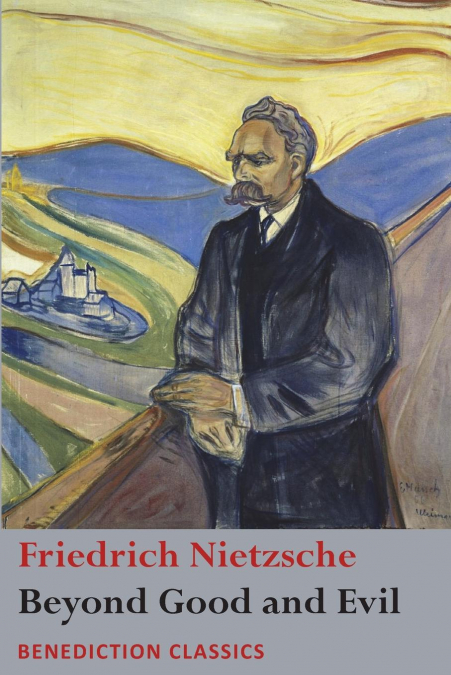
  • Beyond Good and Evil
    Friedrich Nietzsche
    Nietzsche, though primarily a philosopher, wrote widely on art, philology, history, religion, tragedy, culture, and science.  In 1886, at the height of his powers, he published Beyond Good and Evil.  Here he examines much of the best of human thought--dogmatic philosophy, Judeo-Christian morality, science and democracy – and finds it lacking.  Rejecting “slave-morality” he pres...
    Disponible

    9,99 €