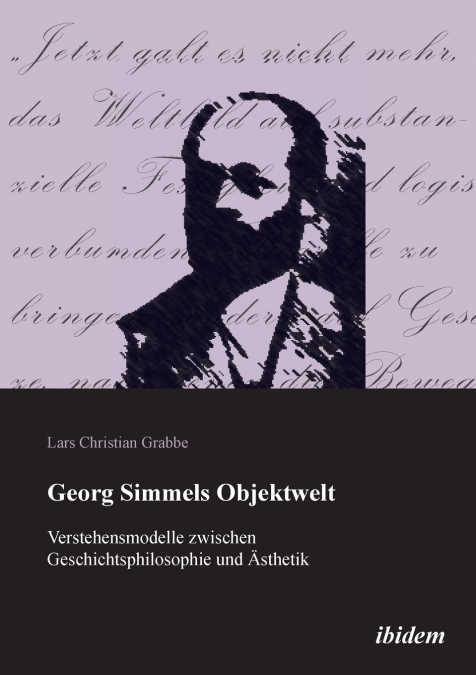

Inicio > Humanidades > Filosofía > Ética y filosofía moral > Georg Simmels Objektwelt. Verstehensmodelle zwischen Geschichtsphilosophie und Ästhetik
Georg Simmels Objektwelt. Verstehensmodelle zwischen Geschichtsphilosophie und Ästhetik

Georg Simmels Objektwelt. Verstehensmodelle zwischen Geschichtsphilosophie und Ästhetik

Georg Simmels Objektwelt. Verstehensmodelle zwischen Geschichtsphilosophie und Ästhetik

Lars Christian Grabbe

51,38 €
IVA incluido
Disponible
Editorial:
ibidem
Año de edición:
2011
Materia
Ética y filosofía moral
ISBN:
9783838202952
51,38 €
IVA incluido
Disponible

Selecciona una librería:

  • Librería Samer Atenea
  • Librería Aciertas (Toledo)
  • Kálamo Books
  • Librería Perelló (Valencia)
  • Librería Elías (Asturias)
  • Donde los libros
  • Librería Kolima (Madrid)
  • Librería Proteo (Málaga)

Mit den Verstehensmodellen zwischen Geschichtsphilosophie und Ästhetik zeigt Lars Christian Grabbe den evidenten Beitrag auf, den Georg Simmel für eine philosophische Erkenntnistheorie - im Kontext einer Philosophie der Gesellschaft - leistet. In dieser Perspektive ist er früher Wegbereiter einer kulturalistischen Analyse der Verflechtung von Ich und (Objekt-)Welt. Die Verwebung von Ich und Welt - Leben und Form - wird von Simmel in einer explizit symboltheoretischen Dimension erarbeitet, welche die Aspekte Sinnlichkeit und Imagination, Seins-Begrenzung und Seins-Erweiterung und Virtualität und Realität integriert. Das von Simmel zu Grunde gelegte Prinzip des Verstehens, welches Grabbe in seiner Studie differenziert analysiert, ist die gleichsam apriorische Voraussetzung der symbolischen Erkenntnisfähigkeit des Menschen: die Phantasie, ein an der Schnittstelle von Sinnlichkeit und Verstand verankerter Erkenntnisstamm. Hier präsentiert Grabbe die große Leistung Simmels, der die sinnlich-impressionale Erkenntnis und phantasmatisch-imaginäre Erkenntnis in ein spezifisch ästhetisches Wahrnehmungs- und Verstehensmodell integriert. Das Verstehen im Modus der Phantasie nimmt in Simmels erkenntnistheoretischen Analysen eine zentrale Schlüsselposition ein: Durch die Prozesselemente der Phantasie lassen sich das historische Bewusstsein, die Erfahrung sozialer Wirklichkeit, die ästhetische Rationalität als 'aisthetische Gewahrwerdung', das Verstehen des sozialen Nicht-Ichs, die sachliche und symbolische Objektwelt, die Konstrukte Wert, Tausch, Geld und Besitz und das sublimierte Machtgefühl des Geld-Besitzes adäquat klassifizieren. Die Prozesselemente phantasmatisch-imaginärer Erkenntnis konstituieren damit einen evidenten Verweisungszusammenhang von Transzendentalphilosophie, Hermeneutik, Kognitionspsychologie, Ästhetik und Aisthetik, Soziologie, Phänomenologie und Semiotik und liefern die Grundlage für eine postmoderne Reaktualisierung der Simmelschen Erkenntnistheorie.
Artículos relacionados

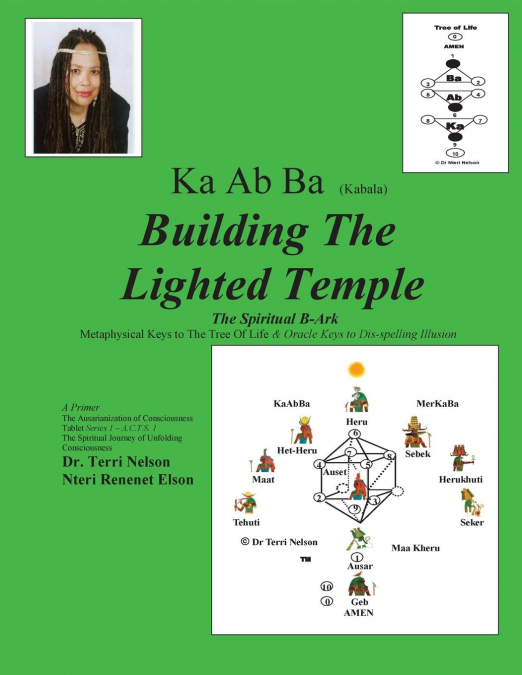
  • Ka Ab Ba Building The Lighted Temple
    Dr Terri R. Nelson / Dr Terri RNelson
    The book KaAbBa Building The Lighted Temple/Metaphysical Keys to the Tree of Life draws a circle that is inclusive of the Afrikan origin of the Ancient Kemetic/Egyptian wisdom. It reveals the undeniable root and link of Ancient Africa to all the religious systems that would develop worldwide. This book is explosive in its power to convey the meaning of KaAbBa, the Medu Neter  (...
    Disponible

    37,41 €

  • Technoethics and the Evolving Knowledge Society
    Rocci Luppicini
    Recently, there has been a major push to rediscover the ethical dimension of technology across the sciences, social sciences, and humanities. Technoethics and the Evolving Knowledge Society: Ethical Issues in Technological Design, Research, Development, and Innovation examines human processes and practices connected to technology embedded within social, political, and moral sph...
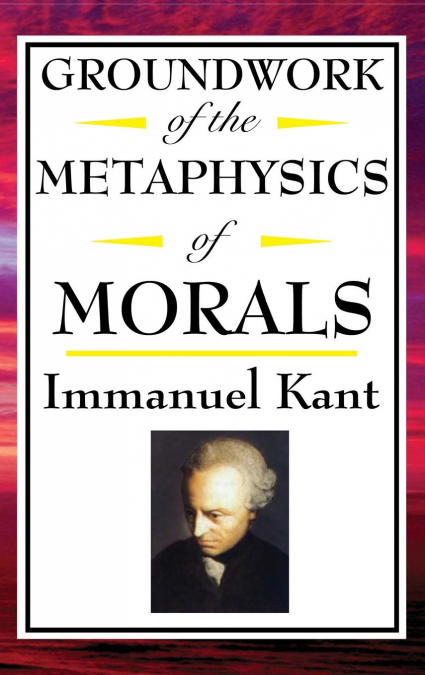
  • Kant
    Immanuel Kant
    Kant’s Groundwork of the Metaphysics of Morals is one of the most important works in modern moral philosophy. It belongs beside Plato, Aristotle, Machiavelli, and Hobbes. Here Kant sets out to articulate and defend the Categorical Imperative - the fundamental principle that underlies moral reasoning - and to lay the foundation for a comprehensive account of justice and human vi...
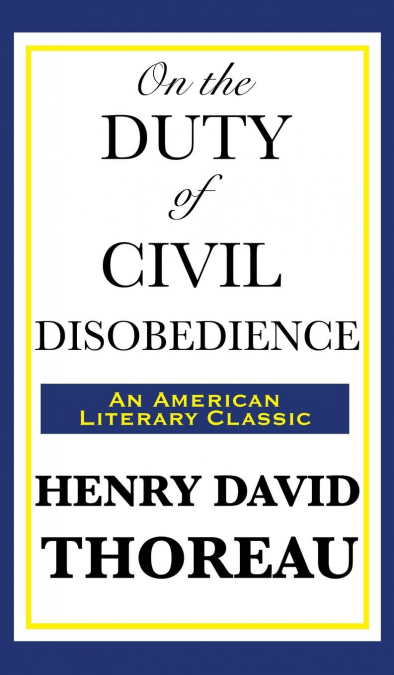
  • On the Duty of Civil Disobedience
    HENRY DAVID THOREAU
    Civil Disobedience argues that citizens should not permit their governments to overrule their consciences, and that they have a duty to avoid allowing their acquiescence to enable the government to make them the agents of injustice. Thoreau was motivated in part by his disgust with slavery and the Mexican-American War, but the sentiments he expresses here are just as pertinent ...
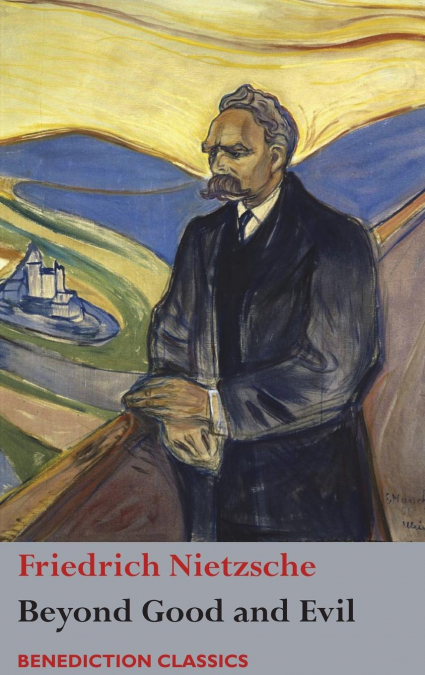
  • Beyond Good and Evil
    Friedrich Nietzsche
    Nietzsche, though primarily a philosopher, wrote widely on art, philology, history, religion, tragedy, culture, and science.  In 1886, at the height of his powers, he published Beyond Good and Evil.  Here he examines much of the best of human thought--dogmatic philosophy, Judeo-Christian morality, science and democracy – and finds it lacking.  Rejecting “slave-morality” he pres...
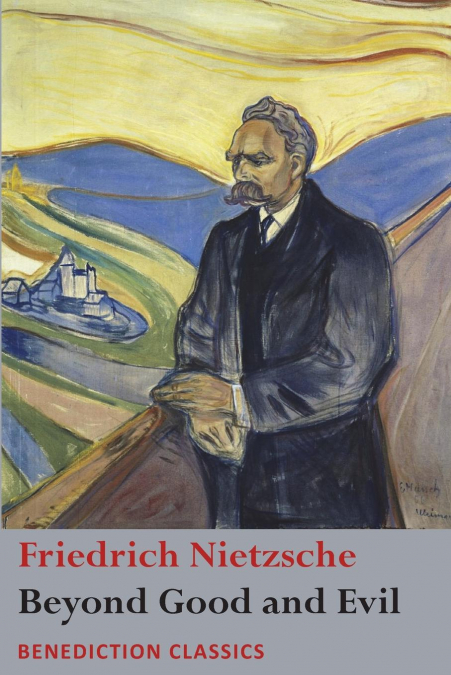
  • Beyond Good and Evil
    Friedrich Nietzsche
    Nietzsche, though primarily a philosopher, wrote widely on art, philology, history, religion, tragedy, culture, and science.  In 1886, at the height of his powers, he published Beyond Good and Evil.  Here he examines much of the best of human thought--dogmatic philosophy, Judeo-Christian morality, science and democracy – and finds it lacking.  Rejecting “slave-morality” he pres...
    Disponible

    9,99 €