Gender and Food Insecurity in Southern African Cities

Gender and Food Insecurity in Southern African Cities

Asiyati Chiweza / Belinda Dodson / Liam Riley

43,30 €
IVA incluido
Disponible
Editorial:
African Books Collective
Año de edición:
2012
Materia
Estudios de género, grupos de género
ISBN:
9781920597023
43,30 €
IVA incluido
Disponible

Selecciona una librería:

  • Librería Samer Atenea
  • Librería Aciertas (Toledo)
  • Kálamo Books
  • Librería Perelló (Valencia)
  • Librería Elías (Asturias)
  • Donde los libros
  • Librería Kolima (Madrid)
  • Librería Proteo (Málaga)

This gender analysis of the findings of AFSUN’s baseline survey of poor urban households in eleven cities in Southern Africa in 2008 and 2009 has implications for urban, national and regional policy interventions aimed at reducing urban food insecurity. By comparing female-centred and other households, light is shed both on the determinants of urban food insecurity – which relate fundamentally to income, employment and education – and on the manifest gender inequalities in access to the largely income-based entitlements to food in the city. These insights can be used to design and implement practical and strategic interventions that could simultaneously and synergistically address both gender inequality and food insecurity. Practically, and in the immediate term, interventions such as social grants and food aid, if targeted at the poorest households, will automatically capture a greater proportion of female-centred households. Enhancing food security for the urban poor requires education and training, job creation, and income generation strategies, ensuring equitable access to such opportunities for women and girls. Supporting and enabling women’s engagement in such activities and enterprises – including in food production and marketing – has the potential to strengthen food security at the same time as reducing gender inequality, in a form of virtuous cycle.
Artículos relacionados

  • Contemporary Global Perspectives on Gender Economics
    Susanne Moore
    The rise of women in the workforce has led to many campaigns for wage equality and the impartial treatment of both sexes as they pursue careers previously designated as either a man’s or a woman’s job. The impact of these campaigns has been felt, but a sense of gender stereotyping still affects not only the social and cultural well-being of the modern organization, but the driv...
  • Revealing Gender Inequalities and Perceptions in South Asian Countries through Discourse Analysis
    Misconceptions regarding gender identity and issues of inequality that women around the world face have become a predominant concern for not only the citizens impacted, but global political leaders, administrators, and human rights activists. Revealing Gender Inequalities and Perceptions in South Asian Countries through Discourse Analysis explores how an analysis of language us...
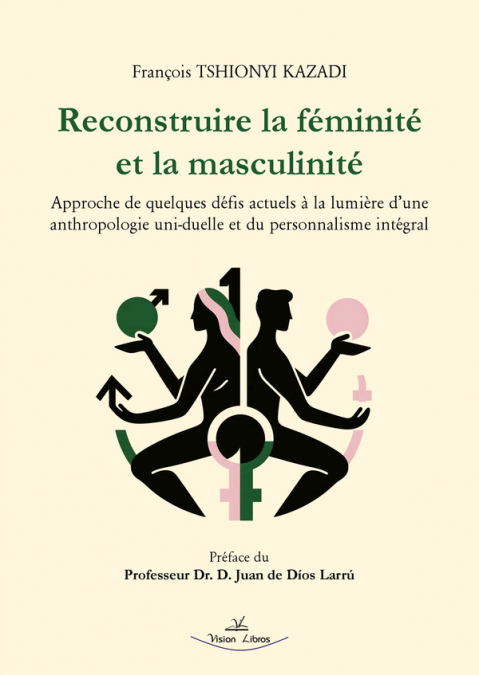
  • Reconstruire la Féminité et la Masculinité
    François Tshionyi Kazadi
    Qui aurait raison d’imaginer une humanité exclusivement masculine ou exclusivement féminine ? Pareille tendance serait contre-nature et contredirait à coup sûr l’optimisme originaire selon lequel le Créateur, après la création de la femme, aux côtés de l’homme, vit que tout était très bon. Le débat contemporain sur l’identité humaine ou l’identité sexuelle est tellement provoca...
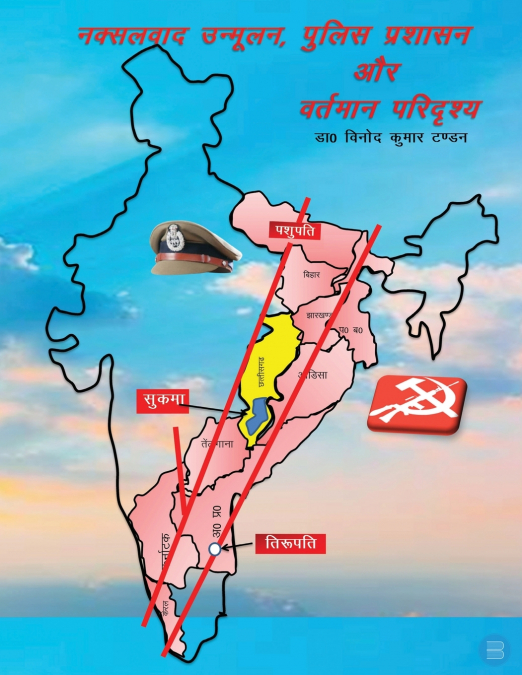
  • Naksalvaad unmoolan police prashasan aur vartmaan paridrishya
    Dr vinod kumar tandon
    NA ...
    Disponible

    21,89 €

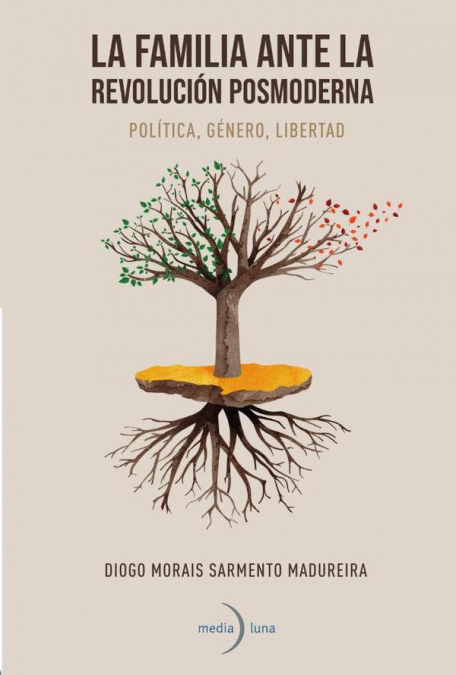
  • La familia ante la revolución posmoderna. Política, género, libertad
    Diogo Morais Sarmiento Madureira
    Diogo Morais Sarmento Madureira invita a un apasionante viaje intelectual al debate político contemporáneo sobre la familia, arrojando luz sobre factores históricos y antropológicos que refuerzan el valor de los lazos familiares y la necesidad de protegerlos.Este libro desentraña las complejas influencias filosóficas y políticas que frecuentemente conllevan el desprecio por asp...
    Disponible

    23,87 €

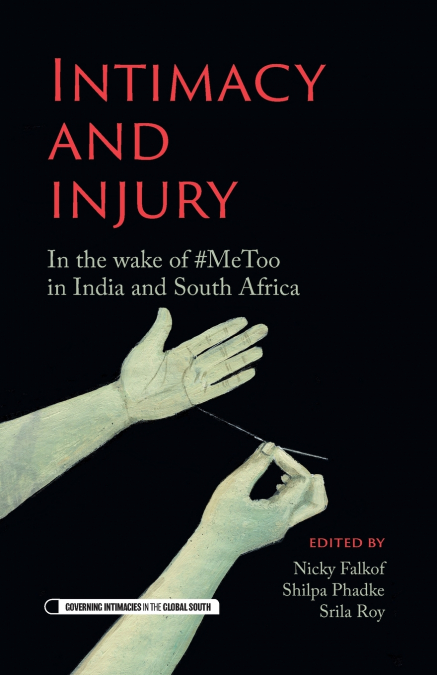
  • Intimacy and injury
    Both India and South Africa have shared the infamy of being labelled the world’s ’rape capitals’, with high levels of everyday gender-based and sexual violence. At the same time, both boast long histories of resisting such violence and its location in wider cultures of patriarchy, settler colonialism and class and caste privilege.Through the lens of the #MeToo moment, the book ...
    Disponible

    43,73 €