 Librería Samer Atenea
 Kálamo Books
 Librería Elías (Asturias)
 Librería Kolima (Madrid)
 Librería Proteo (Málaga)
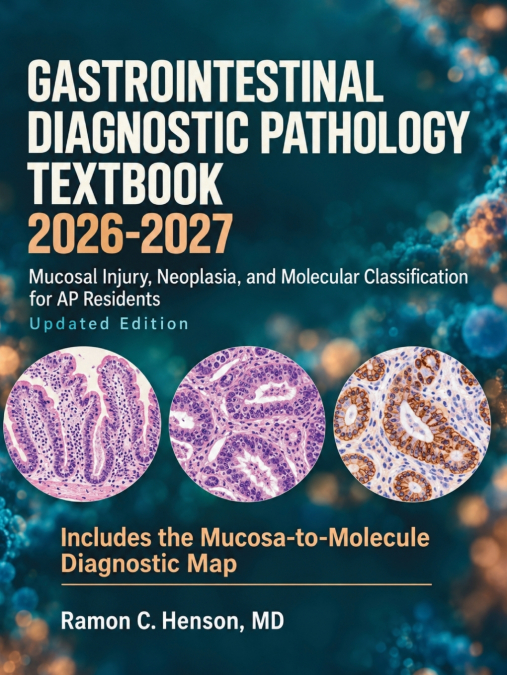
Move from specimen context to a defensible final report This organ-based guide develops a repeatable method for interpreting mucosal biopsies, resections, inflammatory patterns, precursor lesions, and neoplasms across the alimentary tract. It connects normal regional histology with mechanisms of injury, architecture-first differential diagnosis, focused ancillary testing, molecular classification, staging, and integrated reporting. The scope is calibrated for AP residents who need a rigorous sign-out framework that remains useful from first preview through multidisciplinary discussion. The Mucosa-to-Molecule Diagnostic Map makes the reasoning sequence visible: specimen context, dominant pattern, differential split, ancillary pivot, diagnostic trap, and report anchor. Use the book to strengthen these daily diagnostic capabilities: Specimen orientation, biopsy handling, and resection grossing - recognize when sampling or artifact limits interpretation Normal regional histology and reactive change - separate expected variation from clinically meaningful injury Esophageal, gastric, small-intestinal, appendiceal, colorectal, and anal lesions - organize site-specific differentials from low power to high power Inflammatory bowel disease, infection, ischemia, and medication injury - integrate chronicity, activity, distribution, and clinical context Dysplasia, carcinoma, neuroendocrine, mesenchymal, and lymphoid tumors - classify lineage, grade, extent, and staging features Special stains, immunohistochemistry, in situ methods, and molecular assays - order focused panels while conserving tissue Mismatch repair, HER2, EBV, and other biomarkers - connect valid test interpretation with inherited-risk and therapeutic consequences Synoptic reporting, digital workflows, and multidisciplinary correlation - deliver complete reports with calibrated certainty Adopt a consistent architecture-first sequence for gastrointestinal specimens and carry each case from slide pattern to clinically actionable sign-out.