 Librería Samer Atenea
 Kálamo Books
 Librería Elías (Asturias)
 Librería Kolima (Madrid)
 Librería Proteo (Málaga)
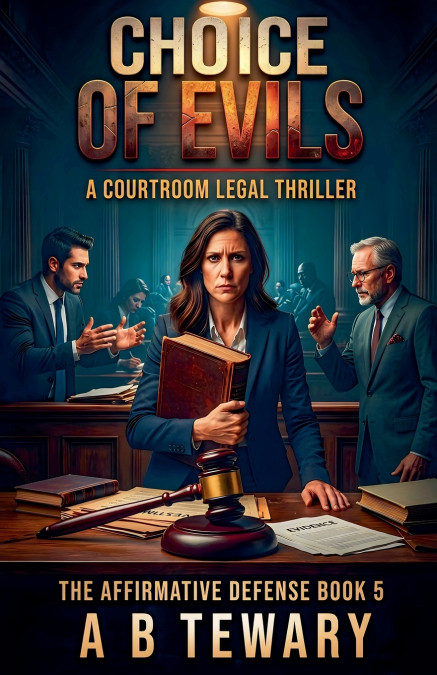
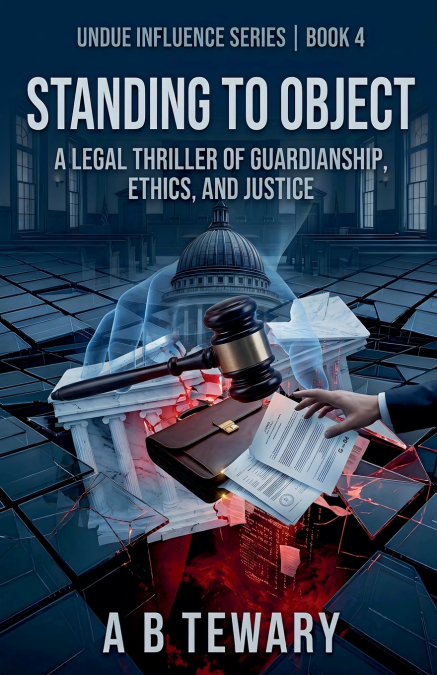
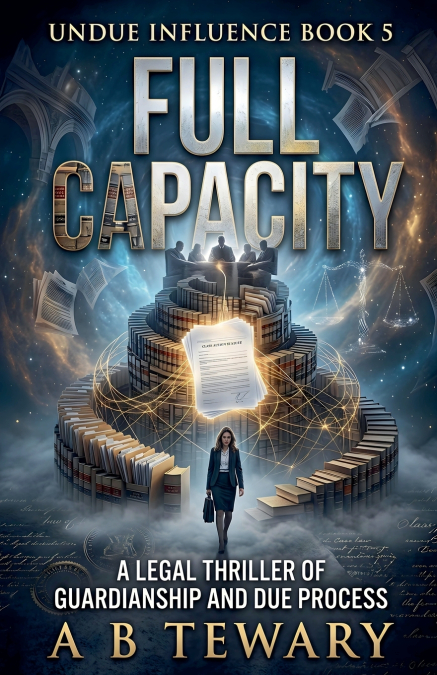
An Ohio lawyer has one case before the state Supreme Court-and a record showing how routinely people lose the right to speak for themselves.The challenge draws on 38,412 cases from 88 counties. Most ended in full guardianship; many wards lacked counsel, and hearings often lasted minutes. Five features of state law are at issue: guardianship as the default, no right to counsel, sealed accountings, and fees taken from a ward’s estate without prior approval.A master commissioner hears from people shaped by the system: a woman long discussed in the third person, a railroad conductor with stable bipolar disorder, families grateful for guardianship, and judges who admit how easily the process moved on trust. The evidence points to a design that completes petitions instead of asking whether guardianship is needed.Then the stakes turn personal. The lawyer’s mother is beginning to forget things, and her brother is considering guardianship. A national bill could license professional guardians, protect their fees, and weaken state oversight before the court can rule. A proposed settlement offers reforms, but leaves the central protections out.As the case races toward argument, the lawyer must defend a right to be heard without denying that guardianship can protect people who need it. The question is not whether help matters, but whether help can leave a person room to choose-and whether a system built to say yes can learn when to stop.