
Inicio > Lenguas > Lingüistica > From Complex Sentences to a Formal Semantic Representation using Syntactic Text Simplification and Open Information Extraction
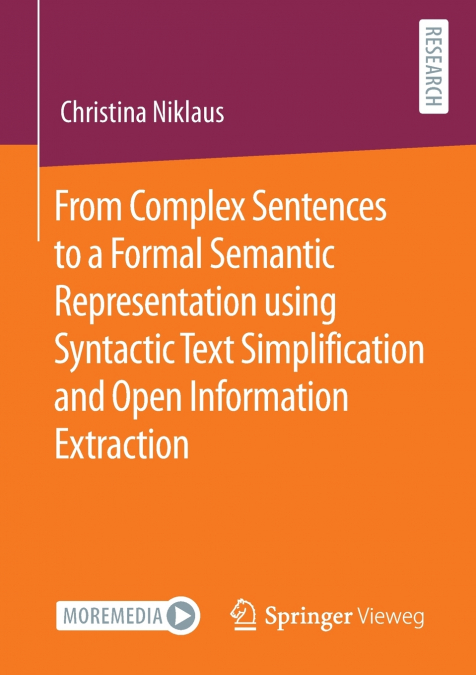
From Complex Sentences to a Formal Semantic Representation using Syntactic Text Simplification and Open Information Extraction

From Complex Sentences to a Formal Semantic Representation using Syntactic Text Simplification and Open Information Extraction

Christina Niklaus

47,74 €
IVA incluido
Disponible
Editorial:
Springer Nature B.V.
Año de edición:
2022
Materia
Lingüistica
ISBN:
9783658386986
47,74 €
IVA incluido
Disponible

Selecciona una librería:

  • Librería Samer Atenea
  • Librería Aciertas (Toledo)
  • Kálamo Books
  • Librería Perelló (Valencia)
  • Librería Elías (Asturias)
  • Donde los libros
  • Librería Kolima (Madrid)
  • Librería Proteo (Málaga)

This work presents a discourse-aware Text Simplification approach that splits and rephrases complex English sentences within the semantic context in which they occur. Based on a linguistically grounded transformation stage, complex sentences are transformed into shorter utterances with a simple canonical structure that can be easily analyzed by downstream applications. To avoid breaking down the input into a disjointed sequence of statements that is difficult to interpret, the author incorporates the semantic context between the split propositions in the form of hierarchical structures and semantic relationships, thus generating a novel representation of complex assertions that puts a semantic layer on top of the simplified sentences. In a second step, she leverages the semantic hierarchy of minimal propositions to improve the performance of Open IE frameworks. She shows that such systems benefit in two dimensions. First, the canonical structure of the simplified sentences facilitatesthe extraction of relational tuples, leading to an improved precision and recall of the extracted relations. Second, the semantic hierarchy can be leveraged to enrich the output of existing Open IE approaches with additional meta-information, resulting in a novel lightweight semantic representation for complex text data in the form of normalized and context-preserving relational tuples.
Artículos relacionados

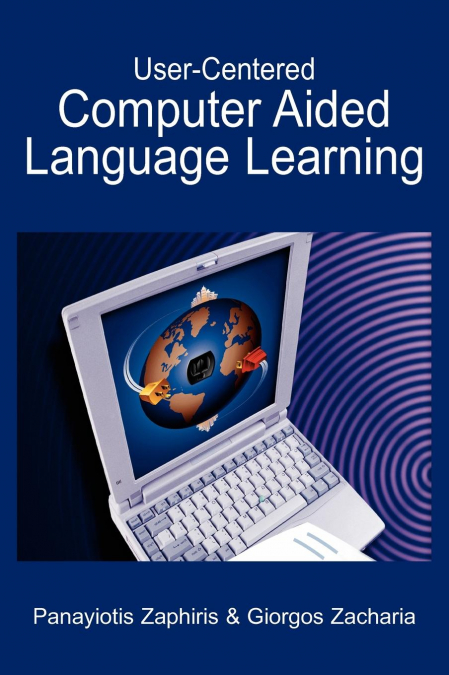
  • User-Centered Computer Aided Language Learning
    Giorgos Zacharia / Panayiotis Zaphiris
    ...
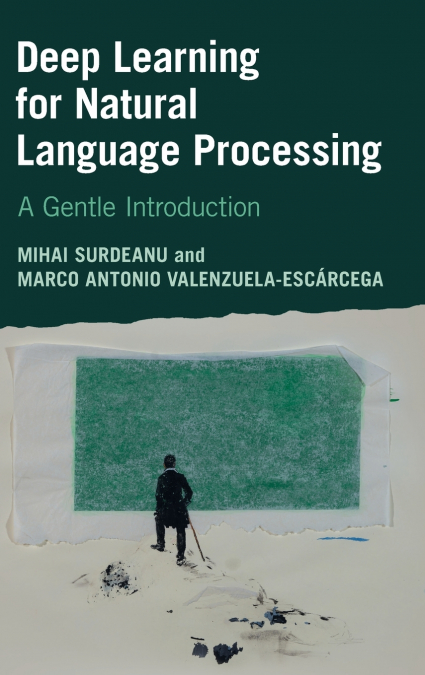
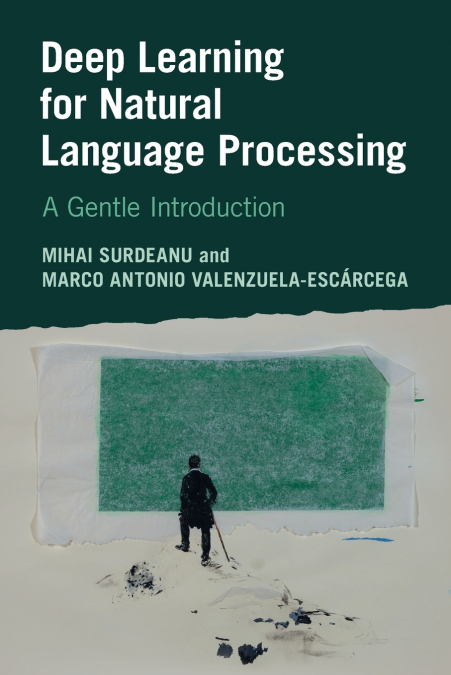
  • Deep Learning for Natural Language Processing
    Marco Antonio Valenzuela-Escárcega / Mihai Surdeanu
    ...
    Disponible

    47,60 €

  • Deep Learning for Natural Language Processing
    Marco Antonio Valenzuela-Escárcega / Mihai Surdeanu
    ...
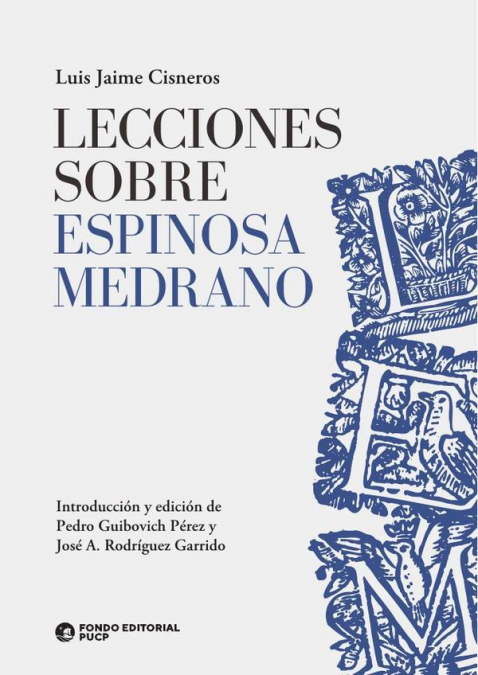
  • Lecciones sobre espinosa medrano
    Luis Jaime Cisneros Vizquerra
    La obra de Juan de Espinosa Medrano, apodado en su tiempo «El Lunarejo» (c. 1629-1688), fue uno de los mayores focos de interés académico de Luis Jaime Cisneros (1921-2011). En 1980 aparecieron sus primeros trabajos dedicados a estudiar los textos capitales de Espinosa Medrano (el Apologético en favor de don Luis de Góngora, la Panegírica declamación por la protección de las ci...
    Disponible

    17,63 €

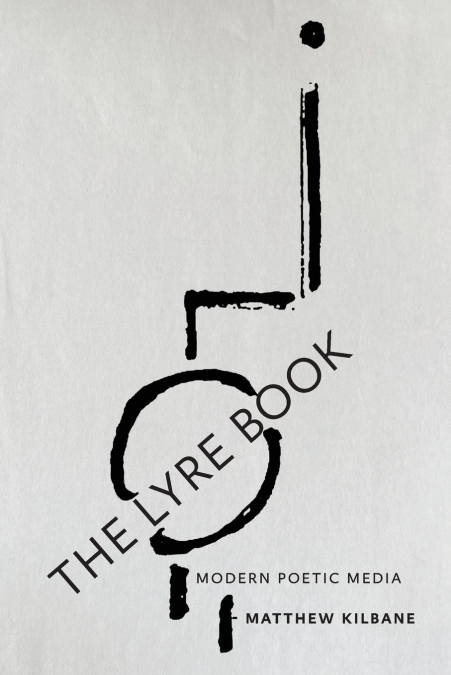
  • Lyre Book
    Matthew Kilbane
    Redefines modern lyric poetry at the intersection of literary and media studies.In The Lyre Book, Matthew Kilbane urges literary scholars to consider lyric not as a genre or a reading practice but as a media condition: the generative tension between writing and sound. In addition to clarifying issues central to the study of modern poetry--including its proximity to popular song...
    Disponible

    50,84 €

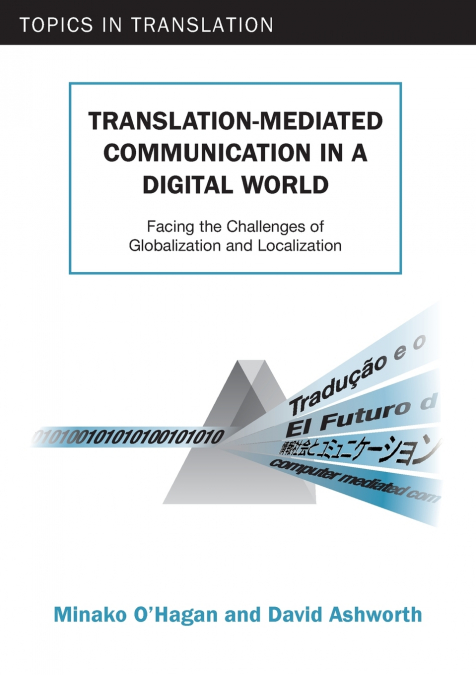
  • Translation-mediated Communication in a Digital World
    David Ashworth / Minako O’Hagan
    The Internet is accelerating globalization by exposing organizations and individuals to global audiences. This in turn is driving teletranslation and teleinterpretation, new types of multilingual support, which are functional in digital communications environments. The book describes teletranslation and teleinterpretation by exploring a number of key emerging contexts for langu...
    Disponible

    45,19 €

Otros libros del autor