

 Librería Samer Atenea
 Kálamo Books
 Librería Elías (Asturias)
 Librería Kolima (Madrid)
 Librería Proteo (Málaga)
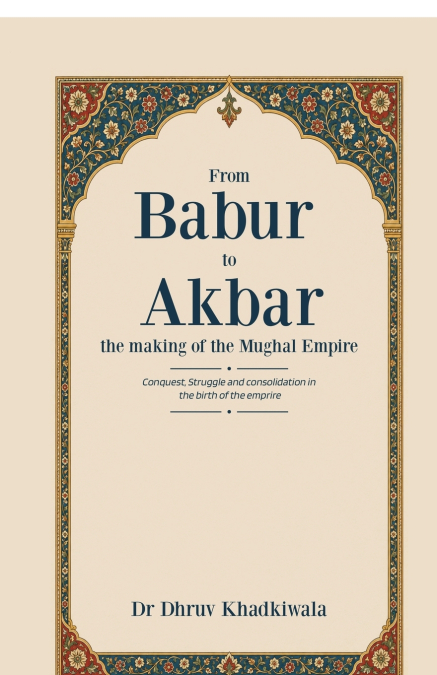
The Mughal Empire, which flourished across South Asia from the sixteenth to the eighteenth century, has long commanded the attention of historians, political theorists, and cultural critics alike. Its rulers presided over one of the most formidable imperial formations of the early modern world, a polity whose grandeur was matched by its complexity-where Persianate courtly ideals, Central Asian nomadic traditions, and Indic religious landscapes converged to produce a distinctive Indo-Islamic civilization.This volume seeks not merely to recount the chronology of dynastic events but to probe the deeper structures of Mughal political culture: the ideological experiments of Akbar, the spiritual negotiations between Sufi orders and the throne, the ceremonial choreography of kingship, and the enduring tensions between universalist claims and local realities. In doing so, it engages with the historiographical debates that have shaped our understanding of empire-questions of sovereignty, legitimacy, memory, and cultural synthesis.The work is intended for readers who wish to move beyond the surface of conquest and administration, toward an appreciation of the Mughal world as a dynamic arena of ideas, rituals, and contestations. It draws upon chronicles, court histories, and modernscholarship, while remaining attentive to the voices of poets, mystics, and women whose presence animated the imperial stage.





