 Librería Samer Atenea
 Kálamo Books
 Librería Elías (Asturias)
 Librería Kolima (Madrid)
 Librería Proteo (Málaga)
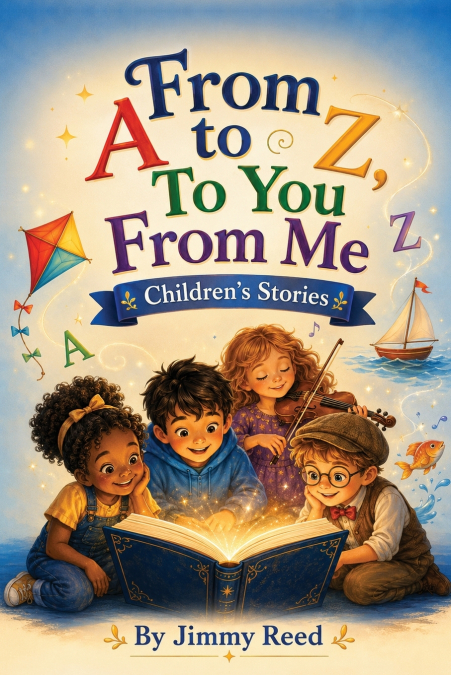
While managing a Mississippi Delta cotton farming operation, my three small children and those of other families had a problem: getting to school. Because the Delta is all farmland and sparsely populated, farm families are far apart, and for some of them the school was nearly twenty miles distant from their homes. Fathers, whose work required tending to their fields, left home at daylight and did not return until sundown. Some of the mothers had to make the long drive to school daily. The problem was solved when the families came up with enough money to buy a school bus.Getting a driver posed another problem. When the parents learned that I had a commercial driver’s license, they persuaded my boss to let me leave work twice daily to drive the bus. Then, they chose a central meeting place, which was where the bus waited. It was packed, creating another problem: keeping the kids seated and quiet. When I volunteered to tell them stories, the problem was solved, especially when I warned that if they did not listen well and were able to answer questions during the ride home after school, I would not tell another story the next day.Beyond all expectations, the strategy worked. The kids remained quiet, listened intently to each story, and discussed them afterward. In time, I noticed that using alliteration and assonance fascinated the youngsters. So, I would prepare a new story each night, focusing on making the names of the main characters and their hometowns start with the same alphabetic letter. At that time, I had no idea how well their young minds absorbed and retained the stories. Many years later, I met some of those kids, and they were still able to quote the alliterative names of some of the characters. During my twenty-year college teaching career, I earned extra money freelance writing for agricultural magazines, which eventually led to my attempts at writing books. After publishing five, I thought about children’s stories and discussed the proposal with my three daughters, who were passengers on the bus. They encouraged me to focus on what attracted the kids most back then: alliteration and assonance. After all, it worked well for the youngsters on the school bus. So, I set out to write a collection of children’s stories, and in each of them, I maximized the use of individual letters of the alphabet.I tried to incorporate messages in the stories that would be well received by young readers, but at the same time, do so for older readers and perhaps do the same for parents. Somehow, I always felt that if children’s stories appeal only to little children, they might not be as worthwhile and enduring as they would be if their appeal had a broader impact beyond the limits of the youngest readers. Also, I kept in mind something that the famous Greek philosopher Galen once said: 'The chief merit of language is clearness.' From these premises, this book was born.