Inicio > Humanidades > Filosofía > Friedrich Nietzsche in der Rezeption des Faschismus und Nationalsozialismus
Friedrich Nietzsche in der Rezeption des Faschismus und Nationalsozialismus

Friedrich Nietzsche in der Rezeption des Faschismus und Nationalsozialismus

Hendrik Schneider

23,13 €
IVA incluido
Disponible
Editorial:
GRIN Verlag
Año de edición:
2009
Materia
Filosofía
ISBN:
9783640487509
23,13 €
IVA incluido
Disponible

Selecciona una librería:

  • Librería Samer Atenea
  • Librería Aciertas (Toledo)
  • Kálamo Books
  • Librería Perelló (Valencia)
  • Librería Elías (Asturias)
  • Donde los libros
  • Librería Kolima (Madrid)
  • Librería Proteo (Málaga)

Studienarbeit aus dem Jahr 2008 im Fachbereich Philosophie - Philosophie des 20. Jahrhunderts, Note: 1,3, Technische Universität Chemnitz (Philosophische Fakultät, Fachbereich: Philosophie/Wissenschaftstheorie), Veranstaltung: Friedrich Nietzsche, Sprache: Deutsch, Abstract: Kaum einem Philosophen kann treffender das Prädikat: eindeutige politische Zweideutigkeit, zweideutige politische Eindeutigkeit, zugeschrieben werden als Friedrich Nietzsche. Kurt Tucholsky formulierte 1932 in diesem Zusammenhang treffend: „Einige Analphabeten der Nazis, die wohl deshalb unter die hitlerischen Schriftgelehrten aufgenommen worden sind, weil sie einmal einem politischen Gegner mit dem Telephonbuch auf den Kopf gehauen haben, nehmen Nietzsche heute als den ihren in Anspruch. Wer kann ihn nicht in Anspruch nehmen! Sage mir, was du brauchst, und ich will dir dafür ein Nietzsche-Zitat besorgen. Bei Schopenhauer kann man das nicht so leicht: Bei Nietzsche ... Für Deutschland und gegen Deutschland; für den Frieden und gegen den Frieden; für die Literatur und gegen die Literatur - was sie wollen.' Und doch oder aber eben gerade deswegen galt Nietzsche lange Zeit in der Rezeption unter Historikern, Philosophen und Politikern aller Couleur als intellektueller Wegbereiter des nationalsozialistischen Gedankengutes und der faschistischen Ideologie. Um die Frage nach einer wie auch immer gearteten Vorläuferschaft Nietzsches zu beantworten sollte ein Blick in seine Werke genügen, hierbei fällt auf, dass in keinem einzigen seiner Texte die Vokabel Faschismus oder auch faschistisch fällt. Woraus schöpfen also derartige Behauptungen ihre Legitimation?

Artículos relacionados

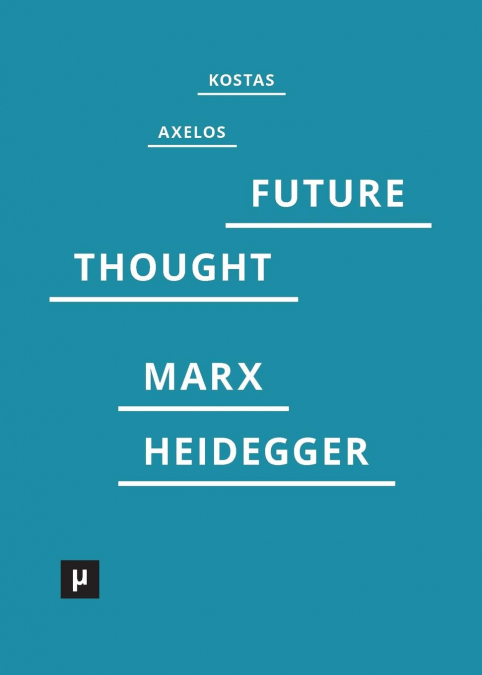
  • Introduction to a Future Way of Thought
    Kostas Axelos / Kenneth Mills
    'Technologists only change the world in various ways in generalized indifference; the point is to think the world and interpret the changes in its unfathomability, to perceive and experience the difference binding being to the nothing.'Anticipating the age of planetary technology Kostas Axelos, a Greek-French philosopher, approaches the technological question in this book, firs...
    Disponible

    18,58 €

  • Capsule
    John Kenneth Press
    Join John and Adam as they wander the mean streets of Japan on a psychedelic fueled search for identity. While fun for the average reader, this book could also serve as a philosphy textbook because of its ordered exploration of sources of identity. Ultimately this trip through nationalist attacks, sex, and drugs, will take you to a better understanding of yourself and your pl...
    Disponible

    11,51 €

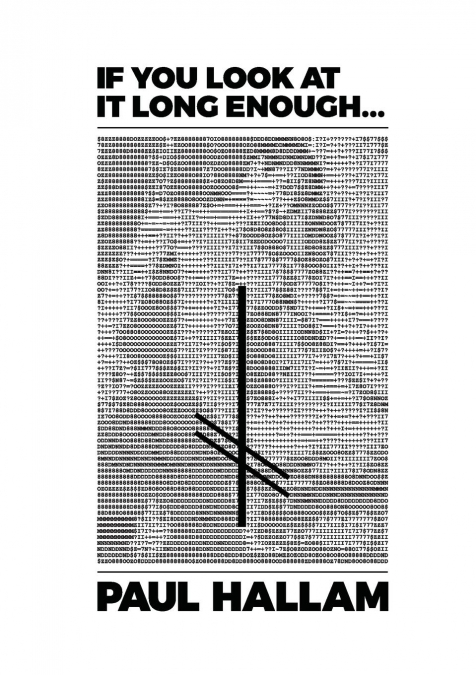
  • If you look at it long enough...
    Paul Hallam
    Originally written for an academic journal, If you look at it long enough... is primarily a personal account of Paul Hallam’s recollections of “self-abuse” through the consumption of porn over several decades. Challenging the familiar form of an “academic essay,” this autobiographical narrative raises several questions in relation to our contemporary morals related to sex in ge...
    Disponible

    11,30 €

  • The Teachers of Gurdjieff
    Rafael Lafort / Rafael Lefort
    When The Teachers of Gurdjieff was first published more than 50 years ago, it made a considerable stir. George Ivanovich Gurdjieff had been one of the most famous mystics in the West in the first half of the 20th century - a teaching master who had many fashionable and influential pupils. He had a striking appearance and manner of teaching, and his teaching proved to be very in...
    Disponible

    20,45 €

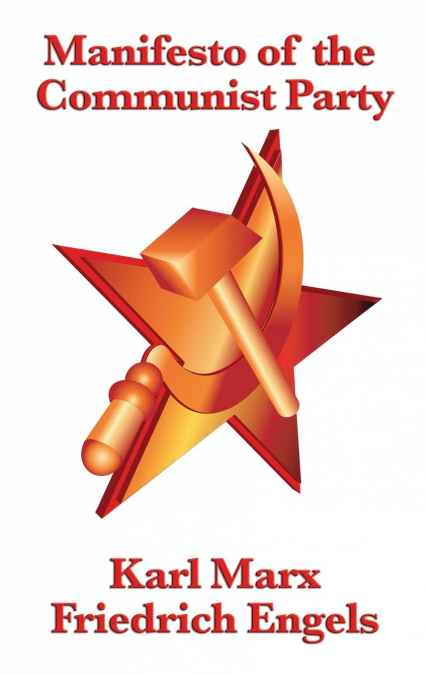
  • Manifesto of the Communist Party
    Karl Marx
    The Communist Manifesto was first published on February 21, and it is one of the world’s most influential political tracts. Commissioned by the Communist League and written by communist theorists Karl Marx and Friedrich Engels, it laid out the League’s purposes and program. The Manifesto suggested a course of action for a proletarian (working class) revolution to overthrow the ...
  • The Art of Literature
    Arthur Schopenhauer
    Collected here are eight short essays, On Authorship, On Style, On the Study of Latin, On Men of Learning, On Thinking for Ones Self, On Criticism, On Reputation, On Genius, by the world renowned philosopher Arthur Achopenhauer. ...