

 Librería Samer Atenea
 Kálamo Books
 Librería Elías (Asturias)
 Librería Kolima (Madrid)
 Librería Proteo (Málaga)
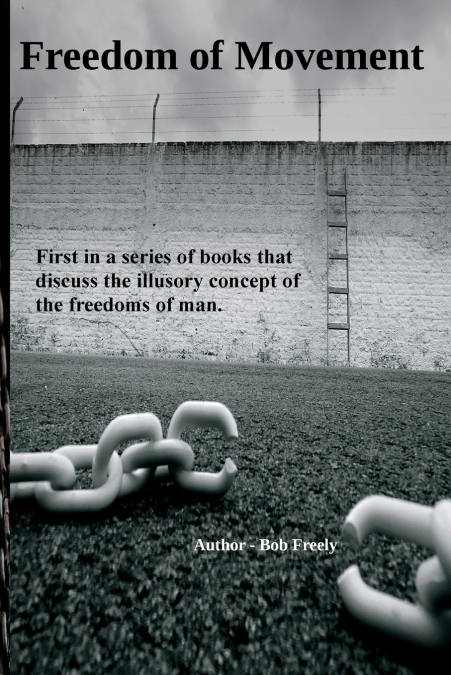
FREEDOM OF MOVEMENT SYNOPSISThis is the first in a planned series of three books that discuss the freedoms of man. The main thread of this first discourse is Freedom of Movement, discussing what it is, how it has changed as man has evolved, what forms it has taken through history, how illusory it is, how it is used as a control measure, who applies these constraints and how considered change is needed. Whilst pulling on this particular thread, data is presented and concepts such as national power, international control, human rights, natural rights and legal rights arise providing context, explanation and why the requirement for review, revision and disruptive improvement is now.The 2nd book-Freedom of Thought and Speech is drafted and being proof read.The 3rd book-Freedom of Association is being researched and structured.Discussion of freedoms provides a vehicle that transports us from ancient times through our post industrial revolution dark age, perhaps, to what history might in the future, describe as a second era of enlightenment.A new period of reason can flourish if a spring tide of new ideas changes hearts and minds, displacing cynicism and greed with hope and inclusive consent.The same desire and expectation for a step change towards global mutual security longed for by the peoples of the global south and poorer countries, if finally accepted and championed by the global north and richer countries, will decrease volatility and increase certainty. However the transition needs improved management, better guidance and more transparent policing. There are 195 countries in the world, clear direction is required. One banner for the willing to get behind. All roads in each book lead to the same conclusion that the United Nations needs to be more.The author suggests that might cannot be right as human intelligence evolves, that increasingly destructive authoritarian states must be checked, that the dominance of one countries currency in international trade and the overt nature of monopoly finance now needs balance by a higher authority. These discussions highlight that we humans are at a crossroads in our ongoing evolution and if the usually silent majority do not acknowledge this as a profound moment and find their voice to encourage a new path, then 99% of the global population will continue to endure inequality whilst suffering the inevitable severe environmental and economic decline.It is hoped that the researched nuggets of information in these books may, after being blindly thrown into the waters of public opinion, might help ripples of consolidated change.





