 Librería Samer Atenea
 Kálamo Books
 Librería Elías (Asturias)
 Librería Kolima (Madrid)
 Librería Proteo (Málaga)
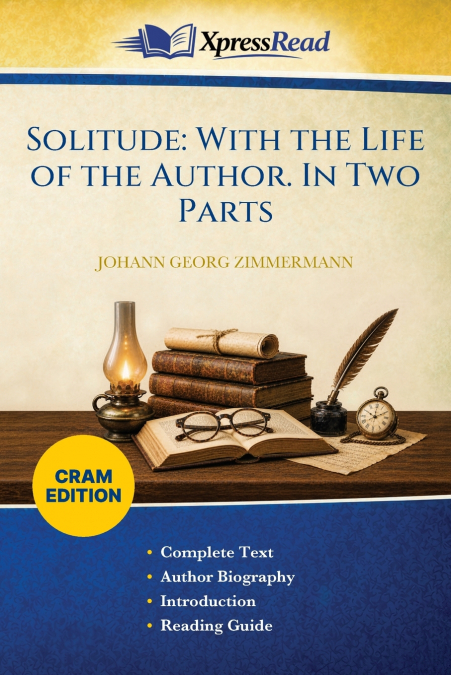
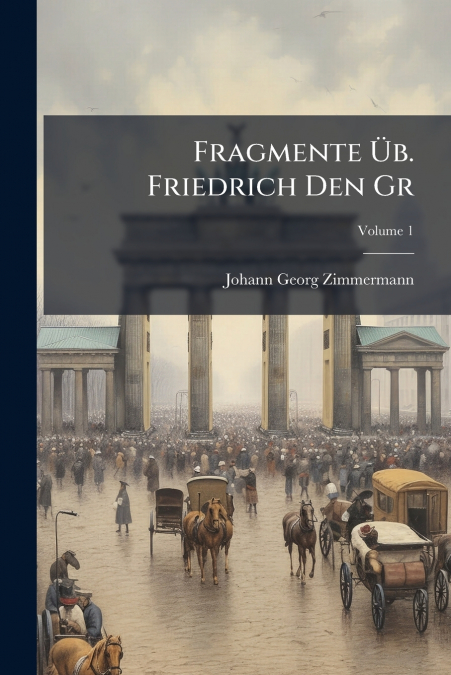
Fragmente über Friedrich den Großen (Fragments on Frederick the Great) by Johann Georg Zimmermann, is a significant historical work offering insights into the life and reign of Frederick II of Prussia, also known as Frederick the Great. Zimmermann’s writing provides a contemporary perspective on one of Europe’s most influential monarchs, exploring his military strategies, political reforms, and cultural impact. This volume offers readers a glimpse into the complexities of Frederick’s character and the challenges he faced in shaping Prussia into a major European power. Written in German, this historical fragment is valuable for scholars and enthusiasts interested in 18th-century European history, Prussian history, and the intellectual environment surrounding Frederick the Great. Zimmermann’s analysis remains a compelling resource for understanding the legacy of a king who left an indelible mark on European history.This work has been selected by scholars as being culturally important, and is part of the knowledge base of civilization as we know it. This work was reproduced from the original artifact, and remains as true to the original work as possible. Therefore, you will see the original copyright references, library stamps (as most of these works have been housed in our most important libraries around the world), and other notations in the work.This work is in the public domain in the United States of America, and possibly other nations. Within the United States, you may freely copy and distribute this work, as no entity (individual or corporate) has a copyright on the body of the work.As a reproduction of a historical artifact, this work may contain missing or blurred pages, poor pictures, errant marks, etc. Scholars believe, and we concur, that this work is important enough to be preserved, reproduced, and made generally available to the public. We appreciate your support of the preservation process, and thank you for being an important part of keeping this knowledge alive and relevant.