
Inicio > Humanidades > Filosofía > Formal Semantics and Pragmatics for Natural Languages
Formal Semantics and Pragmatics for Natural Languages

Formal Semantics and Pragmatics for Natural Languages


207,21 €
IVA incluido
Disponible
Editorial:
Springer Nature B.V.
Año de edición:
1978
Materia
Filosofía
ISBN:
9789027709301
207,21 €
IVA incluido
Disponible

Selecciona una librería:

  • Librería Samer Atenea
  • Librería Aciertas (Toledo)
  • Kálamo Books
  • Librería Perelló (Valencia)
  • Librería Elías (Asturias)
  • Donde los libros
  • Librería Kolima (Madrid)
  • Librería Proteo (Málaga)

The essays in this collection are the outgrowth of a workshop, held in June 1976, on formal approaches to the semantics and pragmatics of natural languages. They document in an astoundingly uniform way the develop­ ments in the formal analysis of natural languages since the late sixties. The avowed aim of the’ workshop was in fact to assess the progress made in the application of formal methods to semantics, to confront different approaches to essentially the same problems on the one hand, and, on the other, to show the way in relating semantic and pragmatic explanations of linguistic phenomena. Several of these papers can in fact be regarded as attempts to close the ’semiotic circle’ by bringing together the syntactic, semantic and pragmatic properties of certain constructions in an explanatory framework thereby making it more than obvious that these three components of an integrated linguistic theory cannot be as neatly separated as one would have liked to believe. In other words, not only can we not elaborate a syntactic description of (a fragment of) a language and then proceed to the semantics (as Montague pointed out already forcefully in 1968), we cannot hope to achieve an adequate integrated syntax and semantics without paying heed to the pragmatic aspects of the constructions involved. The behavior of polarity items, ’quantifiers’ like any, conditionals or even logical particles like and and or in non-indicative sentences is clear-cut evidence for the need to let each component of the grammar inform the other.

Artículos relacionados

  • Introduction to a Future Way of Thought
    Kostas Axelos / Kenneth Mills
    'Technologists only change the world in various ways in generalized indifference; the point is to think the world and interpret the changes in its unfathomability, to perceive and experience the difference binding being to the nothing.'Anticipating the age of planetary technology Kostas Axelos, a Greek-French philosopher, approaches the technological question in this book, firs...
    Disponible

    18,58 €

  • Capsule
    John Kenneth Press
    Join John and Adam as they wander the mean streets of Japan on a psychedelic fueled search for identity. While fun for the average reader, this book could also serve as a philosphy textbook because of its ordered exploration of sources of identity. Ultimately this trip through nationalist attacks, sex, and drugs, will take you to a better understanding of yourself and your pl...
    Disponible

    11,51 €

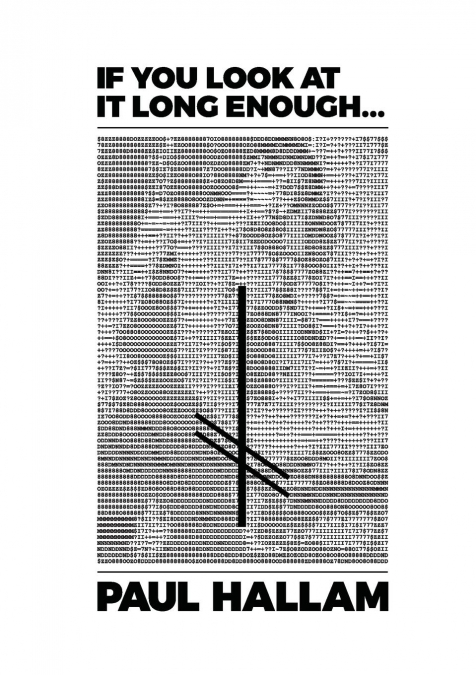
  • If you look at it long enough...
    Paul Hallam
    Originally written for an academic journal, If you look at it long enough... is primarily a personal account of Paul Hallam’s recollections of “self-abuse” through the consumption of porn over several decades. Challenging the familiar form of an “academic essay,” this autobiographical narrative raises several questions in relation to our contemporary morals related to sex in ge...
    Disponible

    11,30 €

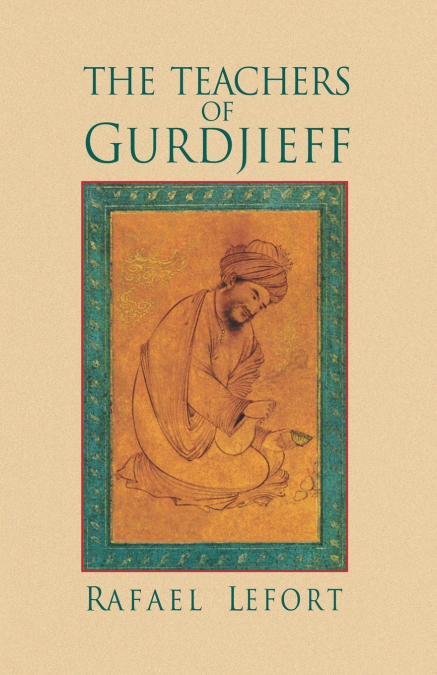
  • The Teachers of Gurdjieff
    Rafael Lafort / Rafael Lefort
    When The Teachers of Gurdjieff was first published more than 50 years ago, it made a considerable stir. George Ivanovich Gurdjieff had been one of the most famous mystics in the West in the first half of the 20th century - a teaching master who had many fashionable and influential pupils. He had a striking appearance and manner of teaching, and his teaching proved to be very in...
    Disponible

    20,45 €

  • Manifesto of the Communist Party
    Karl Marx
    The Communist Manifesto was first published on February 21, and it is one of the world’s most influential political tracts. Commissioned by the Communist League and written by communist theorists Karl Marx and Friedrich Engels, it laid out the League’s purposes and program. The Manifesto suggested a course of action for a proletarian (working class) revolution to overthrow the ...
  • The Art of Literature
    Arthur Schopenhauer
    Collected here are eight short essays, On Authorship, On Style, On the Study of Latin, On Men of Learning, On Thinking for Ones Self, On Criticism, On Reputation, On Genius, by the world renowned philosopher Arthur Achopenhauer. ...