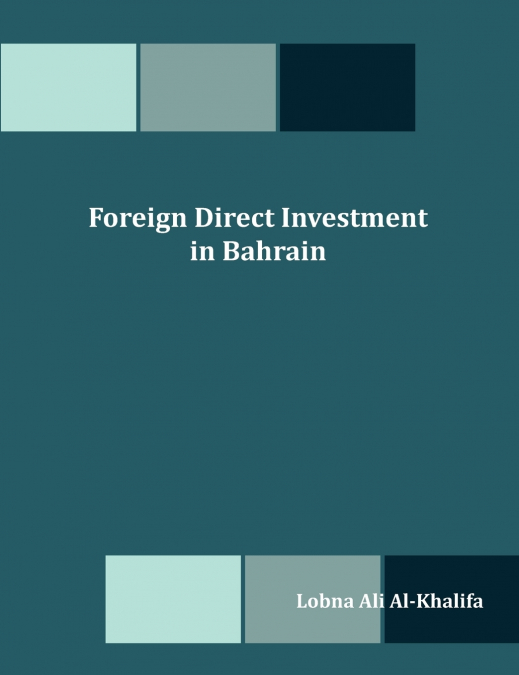

Foreign Direct Investment in Bahrain

Foreign Direct Investment in Bahrain

Foreign Direct Investment in Bahrain

Lobna Ali Al-Khalifa

43,27 €
IVA incluido
Disponible
Editorial:
Universal-Publishers.com
Año de edición:
2010
Materia
Inversiones y títulos valores
ISBN:
9781599423210
43,27 €
IVA incluido
Disponible

Selecciona una librería:

  • Librería Samer Atenea
  • Librería Aciertas (Toledo)
  • Kálamo Books
  • Librería Perelló (Valencia)
  • Librería Elías (Asturias)
  • Donde los libros
  • Librería Kolima (Madrid)
  • Librería Proteo (Málaga)

A significant volume of literature has been developed that seeks to provide an explanation for the growth of FDI and its impact on less developed countries. The literature is characterized by diversity and controversy. Based on it, a range of reasons for encouraging investment have been proposed including its favorable effects on employment levels, the balance of payments and balance of trade of the host country and also the potential for acquisition of technology and skills (Cave: 1982 and Dunning: 1993). Equally, the potentially negative effects of growing levels of foreign investment on domestic market structures and national sovereignty have long been the focus of attention (Vernon: 1971 and Jenkins: 1987). More recent studies focused on the positive effect FDI can create through the integration of a host country into the global economy and the system of international division of labor based on fragmentation of production (Gereffi and Korzeniewicz: 1994, and Henderson, Decken, Hess, Coe and Yeung: 2002).Little if any research has examined the impact of FDI on the oil monarchies. Conventional expectations persisted that once they enter the post-oil phase of their histories, it will be difficult for them to uphold their political legitimacy and survive intense domestic and international pressures upon their regimes (Taeker: 1998 and O’Reilly: 1999). It has been argued that oil income enable them to pacify opponents by providing their subjects with jobs that pay well and has had detrimental effect on both economic development and political liberalization. These expectations have tended to be contradicted by actual development. The private sector has become remarkably strong in the oil monarchies and their governments were not highly resistant to change as depicted by the rentier state paradigm (Mahdavy: 1970, and Beblawi: 1987). Taking Bahrain as a case study, this thesis argues that despite its limitations as a small nation and the paucity of its oil reserves, Bahrain punched well above its weight due to its open economy and foreign direct investment. Its domestic economy is well integrated into the global market. It was able to exploit some of the opportunities that were presented by economic globalization when niches were opened or vacated within the networks of global production. It has developed energy-intensive industries (aluminium and petrochemicals) and became the major financial centre of the Middle East. Yet in spite of the government incentives, it still faces some challenges in attracting FDI in downstream activities related to oil and aluminium, which suggests that additional reforms are needed.
Artículos relacionados

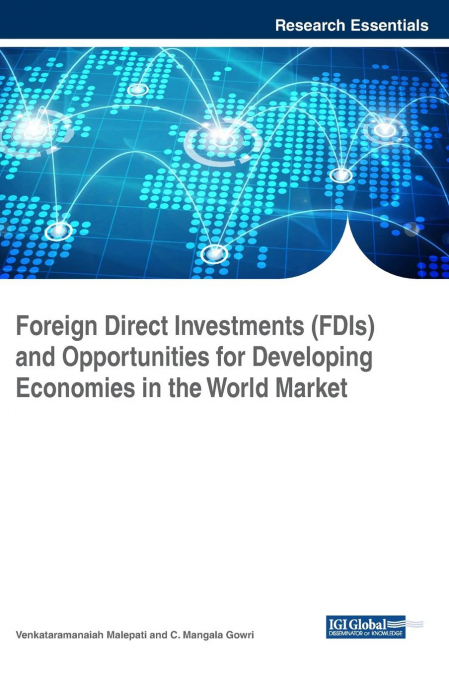
  • Foreign Direct Investments (FDIs) and Opportunities for Developing Economies in the World Market
    The role of foreign direct investment initiatives is pivotal to effective enterprise development. This is particularly vital to emerging economies that are building their presence in international business markets. Foreign Direct Investments (FDIs) and Opportunities for Developing Economies in the World Market is a critical scholarly publication that explores the importance of ...
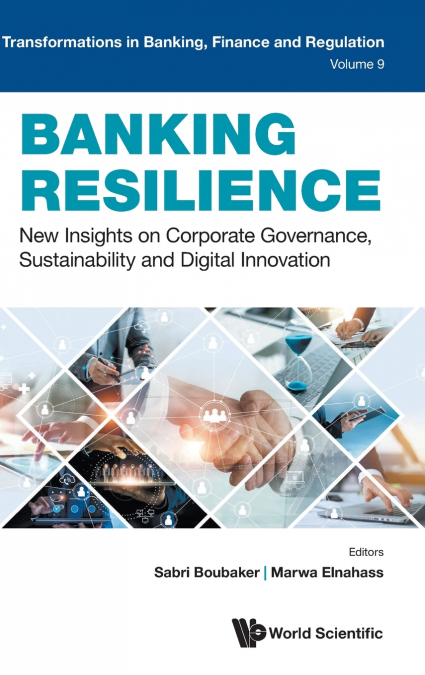
  • BANKING RESILIENCE
    BOUBAKER SABRI / MARWA ELNAHASS SABRI BOUBAKER
    The banking industry plays a critical role in ensuring global economic and financial stability. Effective governance is essential for mitigating bank risk-taking and limiting managerial opportunism in this industry, which is constantly under regulatory and market scrutiny. However, the complexity and diversity of banking financial instruments and transactions gives rise to subs...
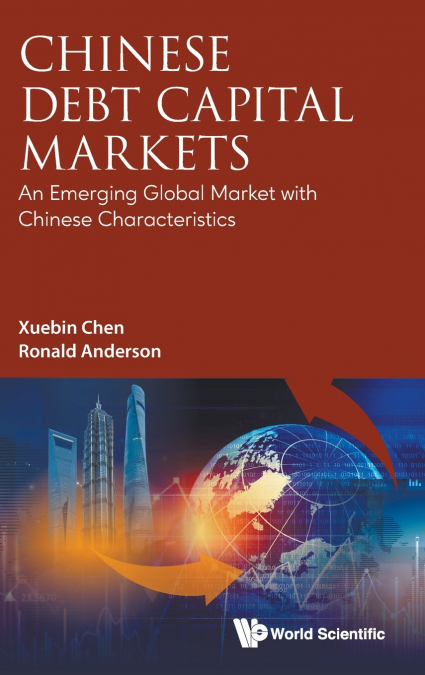
  • CHINESE DEBT CAPITAL MARKETS
    CHEN XUEBIN / Ronald Anderso / RONALD ANDERSON XUEBIN CHEN / Xuebin Chen
    With the deepening of China’s reform and opening up, and the sustained development of the Chinese economy, the Chinese bond market has become an important player in the global bond market. As at the end of 2022, the custodial balance of the Chinese bond market reached RMB14.48 trillion, ranking second in the world and the largest bond market in Asia. As a maturing emerging mark...
  • The Day Trading Illusion
    Ken Bednar
    The author explains why day trading is a losing proposition for 90% of the traders who try it. Surprised? The author gives a detailed explanation along with facts and testimony to verify that most day traders will lose a significant amount or all of their trading account within six months to a year. The author delves briefly into some of the emotional aspects a trader may exper...
  • Equity Endeavours
    Ankush vig
    'Equity Endeavours: A Pioneering Path to Profitable Investing' Unlock the secrets to successful share market investing with 'Equity Endeavours,' your go-to guide for navigating the complex world of stocks and safeguarding your hard-earned money. Whether you’re a novice investor or someone looking to enhance their understanding of the market, this book provides a comprehensive y...
  • Investment Mastery
    Rey Regala
    Welcome to 'Investment Mastery: Elevating Your Strategy,' a guide crafted for the intermediate investor who seeks to deepen their understanding and enhance their skills in the complex world of investing. This book is born out of a recognition that the journey of an investor is continuous and evolving, demanding ever-greater knowledge and sophistication. As an intermediate inves...
    Disponible

    55,67 €