 Librería Samer Atenea
 Kálamo Books
 Librería Elías (Asturias)
 Librería Kolima (Madrid)
 Librería Proteo (Málaga)
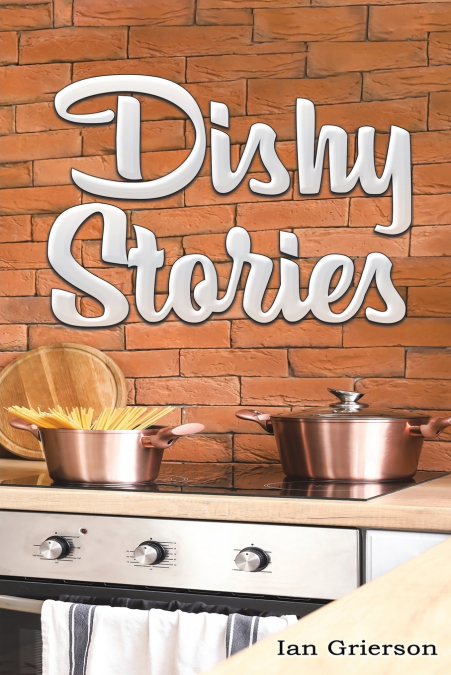
The author identified from UK surveys foods that samples of people found distasteful. In twelvechapters the author goes into the history of the selected foods and why they are so dislikedby some of us yet enjoyed by people from other cultures. A few recipes are included in eachchapter that the author hopes will make foods like black pudding, seafood, olives, Marmite,Why would anyone write a book about foods that are disliked by lots of people? Well, I find itfascinating that what is hated by some, ignored by many but is liked or even loved by others. Inthis book I have an introduction and twelve chapters on foods that do not score very highly inUK surveys about the most enjoyed items to eat. As you would expect, conversely they are allat the top of the heap for the most hated ones, Clearly, we are all individuals and, as such, ourtaste buds are different. However, restricted childhood family and school dinner eating habits,negative experiences of institutionally and industrially poorly prepared dishes, thought of asbeing too old fashioned, avoidance of what looks to be unpalatable, unwillingness to try foodsnot previously tasted, deskilling and spending less time in the kitchen are among the manyinfluencing factors that limit dietary flexibility.The twelve chapters on detested foods (by some) are in this order in the book - black puddingand haggis, shellfish, table olives, Marmite and similar commercial products, various types ofcheeses, Brussels sprouts and other brassicas, fungi, dried fruits, fortified wines, offal, pickleschutneys and relishes then ending up with blancmange, jelly and custard. Each chapter providesinformation about the origins and a history of the selected foods, addresses why they might bedisliked by some although not by others.In addition, I have included several recipes as an easy introduction to the delights of the detesteditem. Sadly, they may have little or no appeal to the committed haters, however they may justtempt some of the uncommitted to go into their kitchen and test out a food they were unsureabout by cooking one or more of the book’s recipes. Each one is a home-style recipe fashionedto be easily made in a reasonable time. They are not cheffy dishes and mostly the disliked foodsare merely ingredients of simple meals. Indeed, I believe the recipes give an easy introductionto the delights of the controversial food? Do read the background and origins of the foods inquestion and at least try one recipe before deciding whether or not the dish and the food is notfor you. Pretty please!