Inicio > Medicina > Veterinaria > Fisiologia da reprodução do coelho
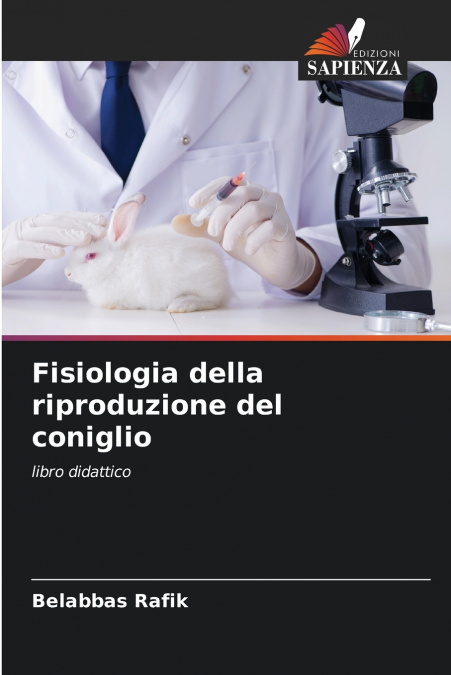
Fisiologia da reprodução do coelho

Fisiologia da reprodução do coelho

Belabbas Rafik

54,12 €
IVA incluido
Disponible
Editorial:
KS OmniScriptum Publishing
Año de edición:
2024
Materia
Veterinaria
ISBN:
9786207789863
54,12 €
IVA incluido
Disponible

Selecciona una librería:

  • Librería Samer Atenea
  • Librería Aciertas (Toledo)
  • Kálamo Books
  • Librería Perelló (Valencia)
  • Librería Elías (Asturias)
  • Donde los libros
  • Librería Kolima (Madrid)
  • Librería Proteo (Málaga)

O coelho doméstico (Oryctolagus cuniculus) é simultaneamente um animal de laboratório e um animal de produção (carne, pele ou pelo). Os coelhos são muito prolíficos, com períodos de gestação e de lactação curtos e uma taxa de produção que pode atingir 61 kg por coelho fêmea e por ano. O coelho cresce rapidamente e a sua carne é muito nutritiva (pobre em gordura e colesterol, mas rica em proteínas). Todas estas características fazem do coelho uma espécie zootécnica muito interessante. Além disso, a reprodução do coelho é uma etapa crucial para a criação de novas raças, a transmissão do progresso genético e, sobretudo, o êxito da criação. O modo de criação dos coelhos evoluiu consideravelmente, nomeadamente a partir do início dos anos 90, quando a inseminação artificial começou a ser utilizada pelos criadores, especialmente na Europa. A inseminação artificial contribuiu para alterar a organização da criação nas explorações, uma vez que permitiu o desenvolvimento da criação em monocultura.
Artículos relacionados

  • Indian Veterinary Pharmaceutical Index
    V. K. Narula
    Astral IVPI provides ready access to key information on the selection, prescribing, dispensing and administration of productsFormulations, generally prescribed across India are includedBasic information is drawn from the marketer’s product literature given in their Product Information Booklets, broachers or brief sent by their personal communique to the PublishersAstral IVPI co...
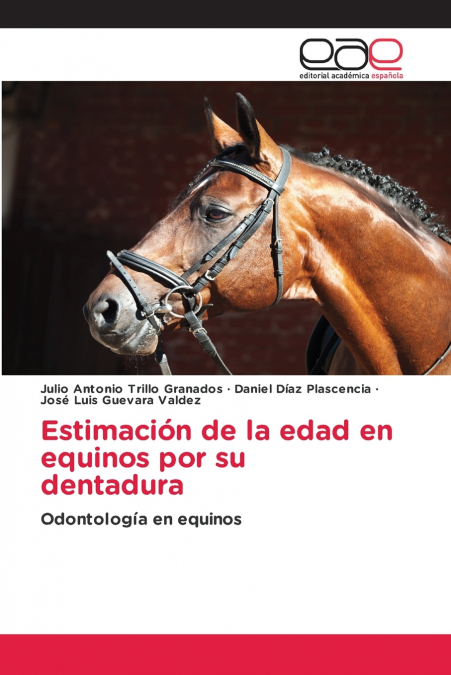
  • Estimación de la edad en equinos por su dentadura
    Daniel Díaz Plascencia / José Luis Guevara Valdez / Julio Antonio Trillo Granados
    En la antigüedad el caballo fue utilizado como transporte tanto de personas, herramientas, armamento, y en algunos casos, hasta de escudo contra las flechas de los indios. En la actualidad existen diversas funciones para el caballo tal como son los caballos deportivos que se utilizan para carreras, rodeos, salto, polo, paseo, trabajo, tiro, entre otros. En los eventos que utili...
    Disponible

    75,38 €

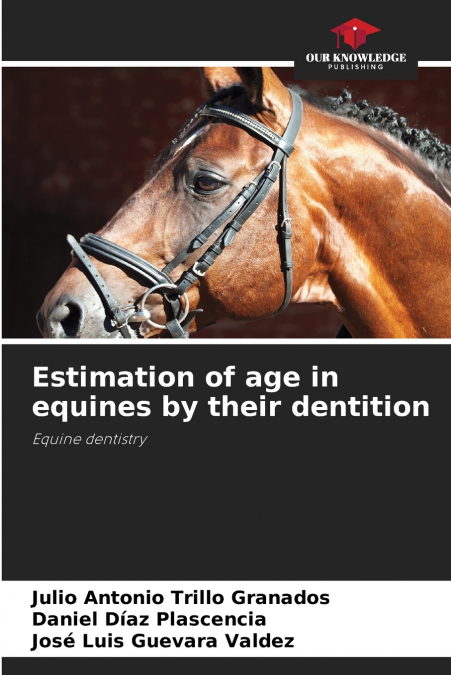
  • Estimation of age in equines by their dentition
    Daniel Díaz Plascencia / José Luis Guevara Valdez / Julio Antonio Trillo Granados
    In ancient times, the horse was used to transport people, tools, weapons, and in some cases, even as a shield against Indian arrows. Nowadays there are several functions for the horse such as sport horses used for racing, rodeo, jumping, polo, riding, work, shooting, among others. In the events that use sport horses, they usually use the teeth as an indicator to calculate their...
    Disponible

    73,73 €

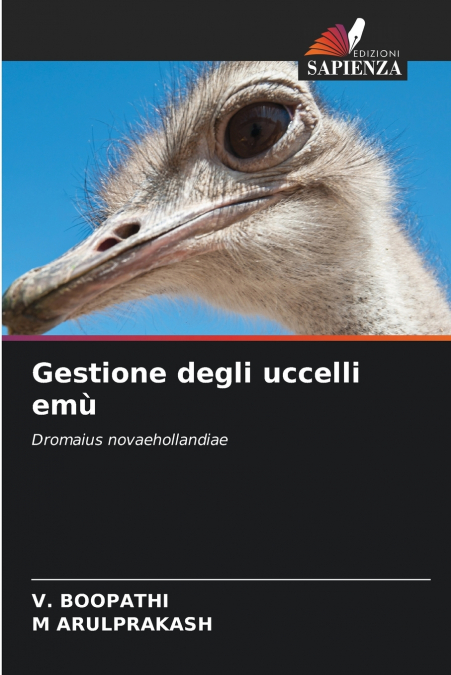
  • Gestione degli uccelli emù
    M ARULPRAKASH / V. BOOPATHI
    L’emù è originario dell’Australia e anche il suo uccello nazionale. Per secoli gli aborigeni australiani allevavano gli emù per procurarsi cibo, riparo e vestiti. Considerata un tempo una minaccia per gli agricoltori, l’UEM sta ora emergendo come una potenziale industria multimilionaria nel mondo (Geo, 1993). Si sta espandendo a un ritmo rapido in diversi paesi, inclusa l’India...
    Disponible

    53,04 €

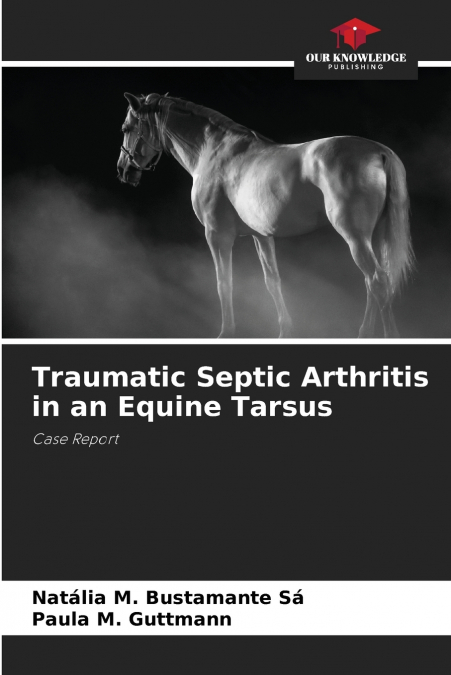
  • Traumatic Septic Arthritis in an Equine Tarsus
    Natália M. Bustamante Sá / Paula M. Guttmann
    Orthopaedic problems in horses can result in the loss of a limb, which is essential to the animal’s life. Septic arthritis is a disease that affects both adult horses and foals, the latter being more aggressive and posing a risk to the animal’s life. The aim of this book is to report the case of a foal affected by septic arthritis as a result of trauma to the tarsal region, emp...
    Disponible

    43,75 €

  • Electrochemotherapy in veterinary medicine
    Patrícia Queiroz de Lima
    The book aims to expand knowledge of this new cancer treatment technique in veterinary medicine. It is an extended literature review, which provides an approach so that the reader can understand the principle of this new therapeutic modality, its history, technique, indications and expected results. Nowadays, pets are considered to be members of the family, so owners are lookin...
    Disponible

    43,69 €

Otros libros del autor

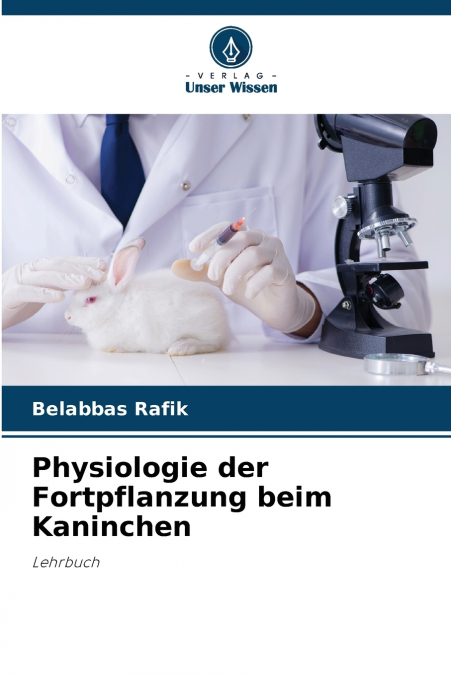
  • Physiologie der Fortpflanzung beim Kaninchen
    Belabbas Rafik
    Das Hauskaninchen (Oryctolagus cuniculus) ist sowohl ein Labortier als auch ein Produktionstier (Fleisch, Pelz oder Haare). Es hat viele Vorteile: Das Kaninchen ist sehr fruchtbar, mit kurzen Trächtigkeits- und Laktationszeiten und einer Produktion von bis zu 61 kg pro Zibbe und Jahr. Es weist eine schnelle Wachstumsgeschwindigkeit und ein sehr nahrhaftes Fleisch auf (geringer ...
    Disponible

    54,12 €

  • Physiology of rabbit reproduction
    Belabbas Rafik
    The domestic rabbit (Oryctolagus cuniculus) is both a laboratory animal and a production animal (meat, fur or hair). The rabbit is highly prolific, with short gestation and lactation periods, and a production rate of up to 61 kg per female rabbit per year. Rabbits grow quickly, and their meat is highly nutritious (low in fat and cholesterol, but high in protein). All these char...
    Disponible

    54,12 €

  • Fisiologia della riproduzione del coniglio
    Belabbas Rafik
    Il coniglio domestico (Oryctolagus cuniculus) è sia un animale da laboratorio sia un animale da produzione (carne, pelliccia o pelo). I conigli sono molto prolifici, con brevi periodi di gestazione e lattazione e una produzione che può raggiungere i 61 kg per femmina all’anno. I conigli crescono rapidamente e la loro carne è altamente nutriente (a basso contenuto di grassi e co...
    Disponible

    54,12 €