

 Librería Samer Atenea
 Kálamo Books
 Librería Elías (Asturias)
 Librería Kolima (Madrid)
 Librería Proteo (Málaga)
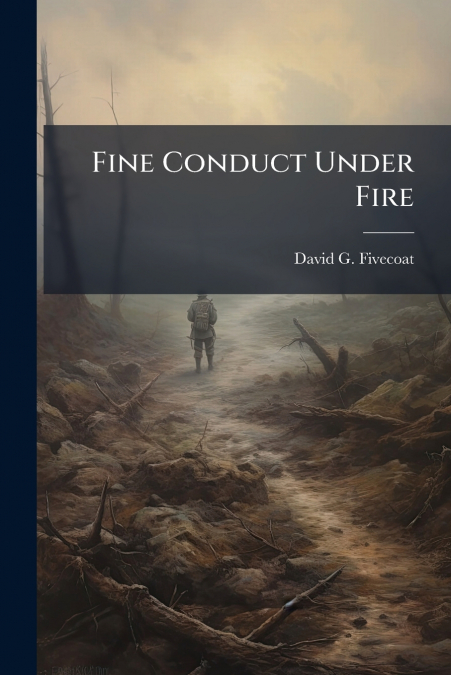
Recent historiography has almost universally denounced the tactical prowess of the American Expeditionary Force. However, a detailed analysis of the performance of the 42nd Division’s 165th Infantry Regiment tells a surprisingly different story. Despite the challenges of the First World War battlefield, the 165th Infantry Regiment compiled a remarkable record of tactical effectiveness in its 180 days of combat. During its six campaigns, the regiment repeatedly held the line and seized objectives against veteran German units in a variety of situations and under various conditions. At the regimental level, a de facto adoption of trench warfare doctrine enabled the unit to synchronize the combined arms and avoid the doctrinal dysfunction the plagued the majority of the AEF. At the tactical level, the Irish platoons and companies rapidly became adept at using Indian-style or infiltration tactics to advance, seize terrain, and destroy German positions. In addition, superb leadership throughout the regiment and stellar unit cohesion played significant roles in the unit’s superior tactical proficiency. In sum, these four factors enabled the 165th to achieve a level of tactical effectiveness second to none among the non-regular regiments of the AEF and equal to the best units within the German Army.This work has been selected by scholars as being culturally important, and is part of the knowledge base of civilization as we know it. This work was reproduced from the original artifact, and remains as true to the original work as possible. Therefore, you will see the original copyright references, library stamps (as most of these works have been housed in our most important libraries around the world), and other notations in the work.This work is in the public domain in the United States of America, and possibly other nations. Within the United States, you may freely copy and distribute this work, as no entity (individual or corporate) has a copyright on the body of the work.As a reproduction of a historical artifact, this work may contain missing or blurred pages, poor pictures, errant marks, etc. Scholars believe, and we concur, that this work is important enough to be preserved, reproduced, and made generally available to the public. We appreciate your support of the preservation process, and thank you for being an important part of keeping this knowledge alive and relevant.





