Inicio > Lenguas > Lingüistica > Figurative Language and Thought
Figurative Language and Thought

Figurative Language and Thought

Cristina Cacciari / Mark Turner / Raymond W. Jr. Gibbs

219,84 €
IVA incluido
Consulta disponibilidad
Editorial:
Oxford University Press
Año de edición:
1998
Materia
Lingüistica
ISBN:
9780195109627

Selecciona una librería:

  • Librería Samer Atenea
  • Librería Aciertas (Toledo)
  • Kálamo Books
  • Librería Perelló (Valencia)
  • Librería Elías (Asturias)
  • Donde los libros
  • Librería Kolima (Madrid)
  • Librería Proteo (Málaga)

Our understanding of the nature and processing of figurative language is central to several important issues in cognitive science, including the relationship of language and thought, how we process language, and how we comprehend abstract meaning. Over the past fifteen years, traditional approaches to these issues have been challenged by experimental psychologists, linguists, and other cognitive scientists interested in the structures of the mind and the processes that operate on them. In Figurative Language and Thought, internationally recognized experts in the field of figurative language, Albert Katz, Mark Turner, Raymond W. Gibbs Jr., and Cristina Cacciari, provide a coherent and focused debate on the subject. The book’s authors discuss a variety of fundamental questions, including: What can figures of speech tell us about the structure of the conceptual system? If and how should we distinguish the literal from the nonliteral in our theories of language and thought? Are we primarily figurative thinkers and consequently figurative language users or the other way around? Why do we prefer to speakmetaphorically in everyday conversation, when literal options may be available for use? Is metaphor the only vehicle through which we can understand abstract concepts? What role do cultural and social factors play in our comprehension of figurative language? These and related questions are raised and argued in an integrative look at the role of nonliteral language in cognition. This volume, a part of Counterpoints series, will be thought-provoking reading for a wide range of cognitive psychologists, linguists, and philosophers.
Artículos relacionados

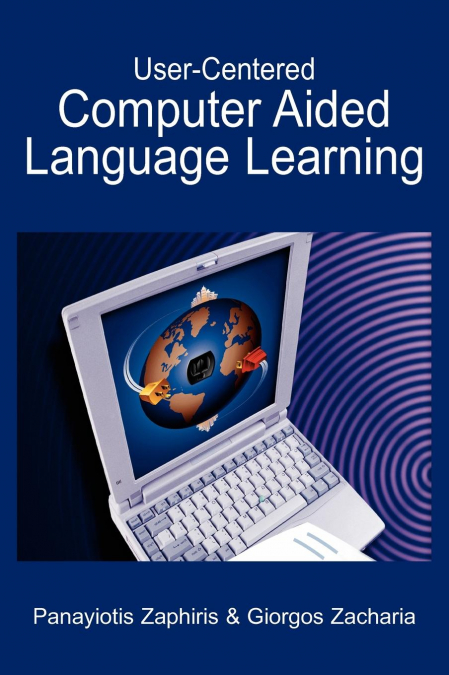
  • User-Centered Computer Aided Language Learning
    Giorgos Zacharia / Panayiotis Zaphiris
    ...
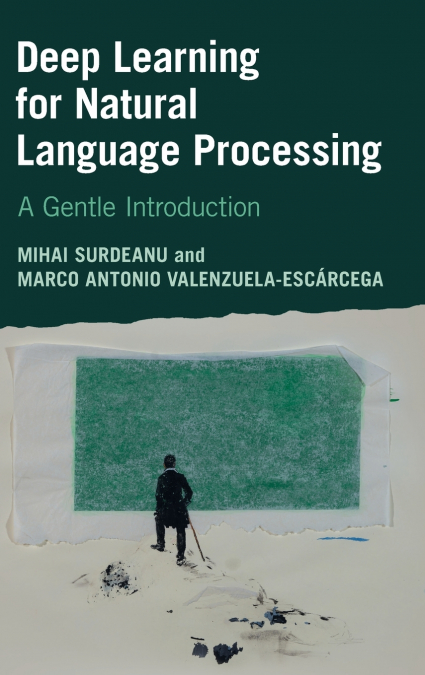
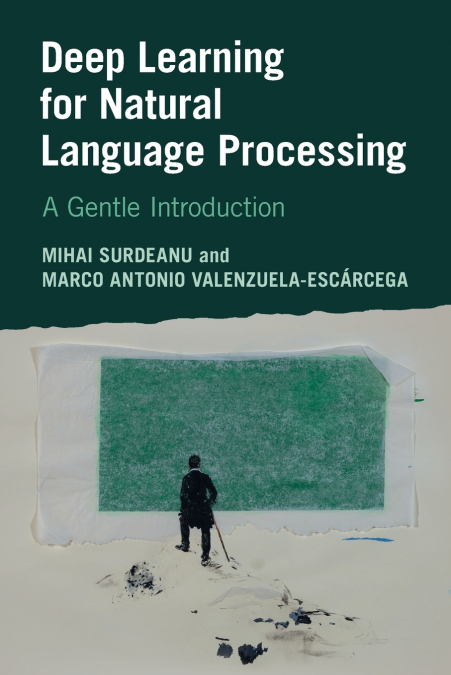
  • Deep Learning for Natural Language Processing
    Marco Antonio Valenzuela-Escárcega / Mihai Surdeanu
    ...
    Disponible

    47,60 €

  • Deep Learning for Natural Language Processing
    Marco Antonio Valenzuela-Escárcega / Mihai Surdeanu
    ...
  • Lecciones sobre espinosa medrano
    Luis Jaime Cisneros Vizquerra
    La obra de Juan de Espinosa Medrano, apodado en su tiempo «El Lunarejo» (c. 1629-1688), fue uno de los mayores focos de interés académico de Luis Jaime Cisneros (1921-2011). En 1980 aparecieron sus primeros trabajos dedicados a estudiar los textos capitales de Espinosa Medrano (el Apologético en favor de don Luis de Góngora, la Panegírica declamación por la protección de las ci...
    Disponible

    17,63 €

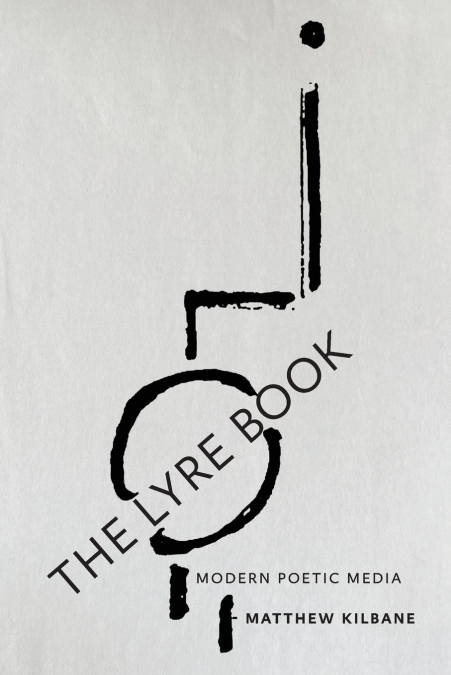
  • Lyre Book
    Matthew Kilbane
    Redefines modern lyric poetry at the intersection of literary and media studies.In The Lyre Book, Matthew Kilbane urges literary scholars to consider lyric not as a genre or a reading practice but as a media condition: the generative tension between writing and sound. In addition to clarifying issues central to the study of modern poetry--including its proximity to popular song...
    Disponible

    50,84 €

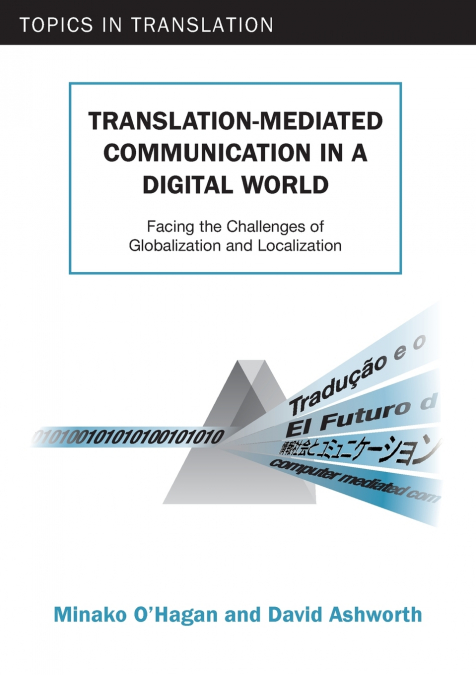
  • Translation-mediated Communication in a Digital World
    David Ashworth / Minako O’Hagan
    The Internet is accelerating globalization by exposing organizations and individuals to global audiences. This in turn is driving teletranslation and teleinterpretation, new types of multilingual support, which are functional in digital communications environments. The book describes teletranslation and teleinterpretation by exploring a number of key emerging contexts for langu...
    Disponible

    45,19 €