 Librería Samer Atenea
 Librería Aciertas (Toledo)
 Kálamo Books
 Librería Perelló (Valencia)
 Librería Elías (Asturias)
 Donde los libros
 Librería Kolima (Madrid)
 Librería Proteo (Málaga)
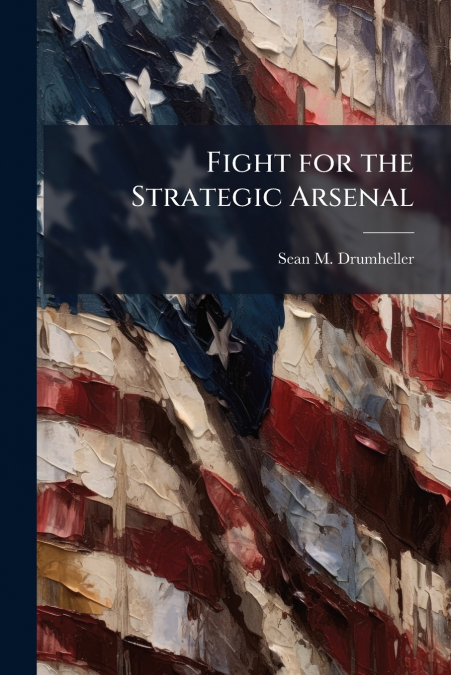
In two periods of the twentieth century strategic bombers and aircraft carriers have come into direct conflict. The underlying themes of the rise and fall of nuclear warfare and incompatible service culture dominate the rivalry between the Air Force and the Navy. After the Second World War, the main area of contention involved the emergent use of nuclear weapons as the expected primary mode of choice for conflicts to come. After the Cold War, the military faced restructuring due to the lessened importance of nuclear weapons and a national policy changing from deterrence to forward presence. Perhaps the greatest cause of conflict between the Air Force and the Navy relates to their different backgrounds of experience. Developing from their disparate histories, a lack of commonality affected their abilities to agree on military policy, and led to disputes over the merits of their respective programs and how they would comply with the security strategy of the nation. By examining the linkages and similarities between the periods after World War II and the Cold War, why the services sustained a near-continuous struggle over a period of decades will provide insight into the conditions that create similar rivalries.This work has been selected by scholars as being culturally important, and is part of the knowledge base of civilization as we know it. This work was reproduced from the original artifact, and remains as true to the original work as possible. Therefore, you will see the original copyright references, library stamps (as most of these works have been housed in our most important libraries around the world), and other notations in the work.This work is in the public domain in the United States of America, and possibly other nations. Within the United States, you may freely copy and distribute this work, as no entity (individual or corporate) has a copyright on the body of the work.As a reproduction of a historical artifact, this work may contain missing or blurred pages, poor pictures, errant marks, etc. Scholars believe, and we concur, that this work is important enough to be preserved, reproduced, and made generally available to the public. We appreciate your support of the preservation process, and thank you for being an important part of keeping this knowledge alive and relevant.