 Librería Samer Atenea
 Kálamo Books
 Librería Elías (Asturias)
 Librería Kolima (Madrid)
 Librería Proteo (Málaga)
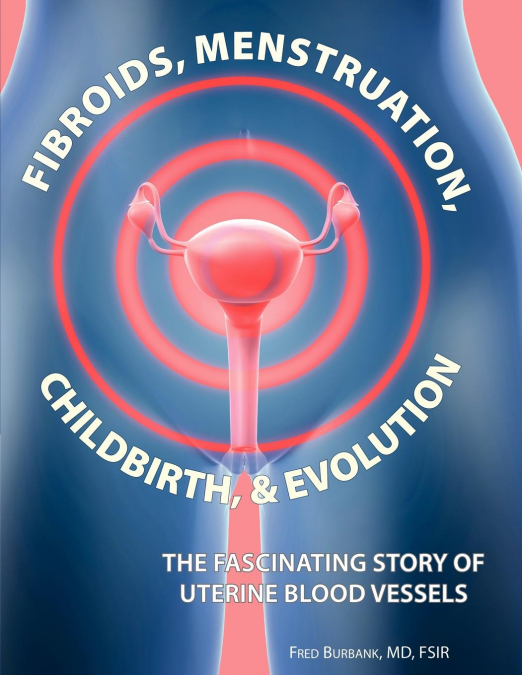
In the ancestral environment, a human female typically carried at least half a dozen babies to term. The fact that modern women are able to limit the number of children they bear has dramatic consequences for the incidence of uterine fibroids, as well as the clinical care of fibroids patients. Fibroids, Menstruation, Childbirth, and Evolution explores these connections, integrating a vast amount of medical knowledge about the uterus into one volume.During pregnancy, the mother’s blood prepares for an enormous hemostatic event: the delivery of the placenta. That fetal organ is the vascular link between mother and offspring. At childbirth, one-tenth of mother’s cardiac output flows through the placenta, feeding the growing child. When the placenta is sheared away from its attachment to the uterus, two hundred large uteroplacental arteries are ripped apart and bleed profusely into the uterine cavity.For many hours following delivery, uterine contractions slow blood flow within the uterus, allowing the high concentration of clotting factors built up in the mother’s blood during pregnancy to solidify throughout the uterine circulation and stop blood loss. Then, hours later, the tide reverses, most of these uterine blood clots dissolve, and more normal blood flow returns to the uterus. This amazing process occurs with each pregnancy.During this process, the uterus is ischemic and hypoxic. Unlike brain and heart, which can only survive minutes of decreased blood flow, the uterus can withstand dramatically diminished blood flow for hours. In fact, it is natural for this to occur once every few years. Uterine ischemia and hypoxia are a natural part of every woman’s genetic makeup.In 1995 a group of French physicians discovered that it was possible to emulate the physiology of childbirth by stopping blood flow to the uterus with small plastic particles. Initially, they injected these particles to diminish blood loss during subsequent fibroid surgery. However, they soon learned that the injection of these particles was therapeutic in and of itself for women with symptomatic fibroids. Unbeknownst to this French group, earlier, in 1964, an American physician surgically occluded the uterine arteries to treat women without fibroids who had excessive monthly menstrual blood loss. Subsequent physicians have occluded the uterine arteries in various ways to treat a third common disorder, adenomyosis. Finally, these clinical successes suggest that future episodes of endometriosis may be preventable in some women treated with uterine artery closure.Dr. Fred Burbank’s comprehensive book provides insight into how physicians can use uterine artery closure techniques to more effectively treat uterine disorders. In addition, his book contains short courses on magnetic resonance imaging, hemodynamics, uterine artery embolization, and the hemostatic and hemolytic systems, making it possible for readers less familiar with these complex subjects to understand the text without referring to outside sources.About the AuthorDr. Burbank is an epidemiologist, a psychiatrist, a diagnostic radiologist, a cardiovascular interventionalist, and an expert in women’s health. He is also an inventor-entrepreneur. For recreation, he flies, swims, and reads. For more information, please visit his bio on www.saltcreekmedical.com.