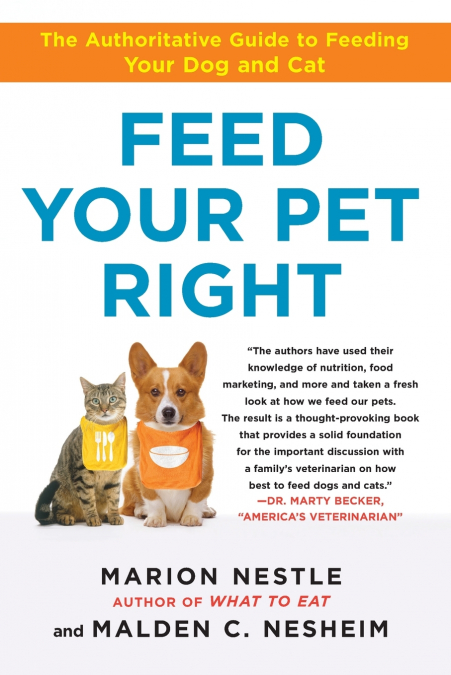
Feed Your Pet Right

Feed Your Pet Right

Malden Nesheim / Marion Nestle

20,59 €
IVA incluido
Disponible
Editorial:
Simon & Schuster
Año de edición:
2010
ISBN:
9781439166420
20,59 €
IVA incluido
Disponible

Selecciona una librería:

  • Librería Samer Atenea
  • Kálamo Books
  • Librería Elías (Asturias)
  • Librería Kolima (Madrid)
  • Librería Proteo (Málaga)

Human nutrition expert and author of the critically acclaimed What to Eat, Marion Nestle, Ph.D., M.P.H., has joined forces with Malden C. Nesheim, Ph.D., a Cornell animal nutrition expert, to write Feed Your Pet Right, the first complete, research-based guide to selecting the best, most healthful foods for your cat or dog.Human nutrition expert and author of the critically acclaimed What to Eat, Marion Nestle, Ph.D., M.P.H., has joined forces with Malden C. Nesheim, Ph.D., a Cornell animal nutrition expert, to write Feed Your Pet Right, the first complete, research-based guide to selecting the best, most healthful foods for your cat or dog. A comprehensive and objective look at the science behind pet food, it tells a fascinating story while evaluating the range of products available and examining the booming pet food industry and its marketing practices. Drs. Nestle and Nesheim also present the results of their unique research into this sometimes secretive industry. Through conversations with pet food manufacturers and firsthand observations, they reveal how some companies have refused to answer questions or permit visits. The authors also analyze food products, basic ingredients, sources of ingredients, and the optimal ways to feed companion animals. In this engaging narrative, they explain how ethical considerations affect pet food research and product development, how pet foods are regulated, and how companies influence veterinary training and advice. They conclude with specific recommendations for pet owners, the pet food industry, and regulators. A road map to the most nutritious diets for cats and dogs, Feed Your Pet Right is sure to be a reference classic to which all pet owners will turn for years to come. 6
Artículos relacionados

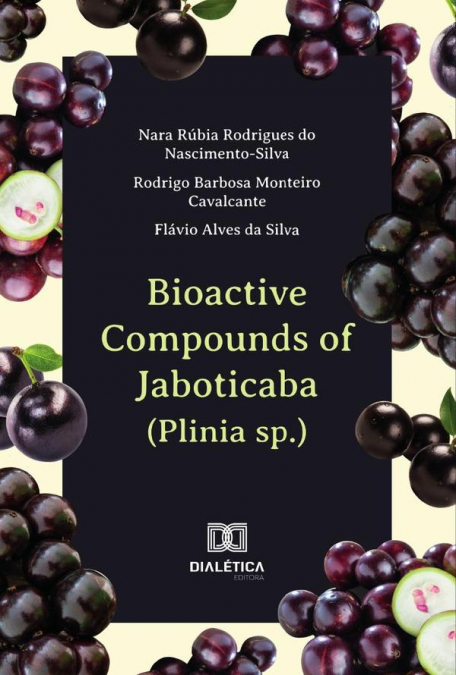
  • Bioactive Compounds Of Jaboticaba (Plinia Sp.)
    Flávio Alves Da Silva / Nara Rúbia Rodrigues Do Nascimento-Silva / Rodrigo Barbosa Monteiro Cavalcante
    The Whole Jaboticaba Fruit Stood Out For Its High Levels Of Total Polyphenols, Mainly Anthocyanins (Cyanidin And Delphinidin), Ellagic Acid, Methylellagic Acid, Gallic Acid, Myricetin, Quercetin, Castalagin, Pedunculagin And Vescalagin. When Evaluating The Behavior Of These Compounds After In Vitro Digestion, It Is Observed That Anthocyanins Did Not Suffer As Much In The Saliva...
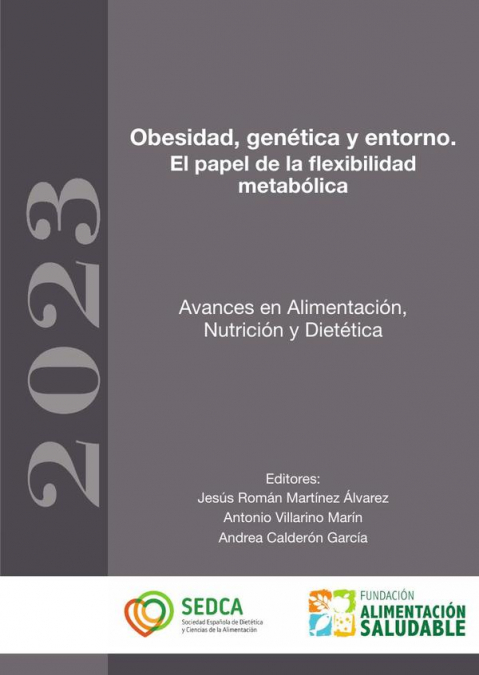
  • Obesidad, genética y entorno. El papel de la flexibilidad metabólica
    Fundación alimentación saludable
    Afortunadamente, gracias a la investigación, somos más conscientes de que la obesidad no es una patología que se deba en exclusiva a la desidia ola falta de voluntad del sujeto y que los mensajes de culpabilidad o estigmatización hacia los pacientes no sólo no ayudan a poner freno al sobrepeso, sino que pueden perjudicar seriamente su salud mental. También sabemos, y esto es mu...
    Disponible

    20,00 €

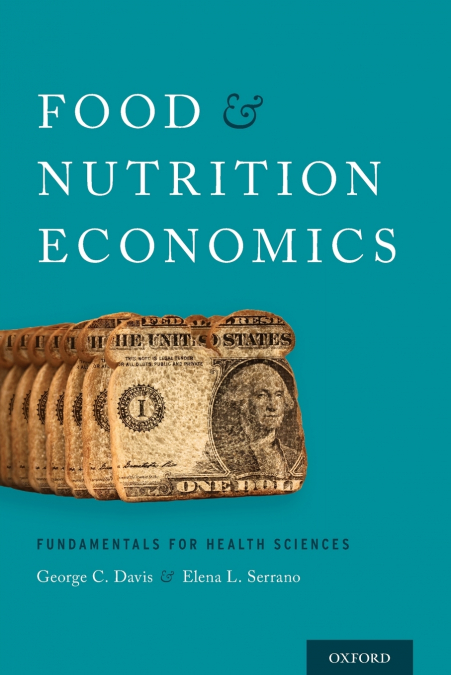
  • FOOD AND NUTRITION ECONOMICS P
    GEORGE C DAVIS
    ...
    Disponible

    125,42 €

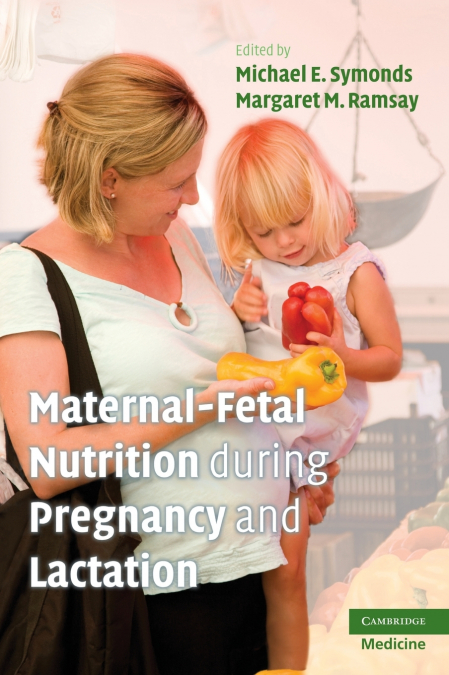
  • Maternal-Fetal Nutrition During Pregnancy and Lactation
    ...
  • The Myths About Nutrition Science
    David Lightsey
    The Myths About Nutrition Science provides an authoritative, yet readily understandable, overview of the common misunderstandings that are commonplace within consumer or athletic communities regarding the food production process and nutrition science, which may affect their physical development, performance, and long-term health ...
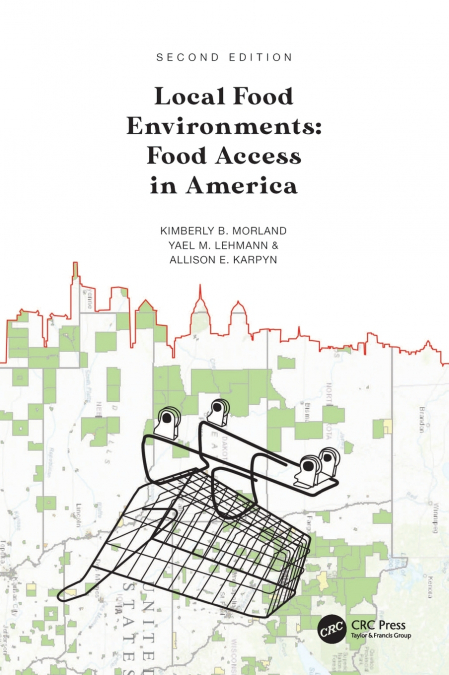
  • Local Food Environments
    Allison E. Karpyn / Kimberly B. Morland / Yael M. Lehmann
    This second edition contains four sections including (1) disparities between local food environments in the United States; (2) effect of restricted local food environments on dietary intake; (3) interventions to local food environment and their impact on communities; and (d) macro-level influence on the development of local food environments. ...