

 Librería Samer Atenea
 Kálamo Books
 Librería Elías (Asturias)
 Librería Kolima (Madrid)
 Librería Proteo (Málaga)
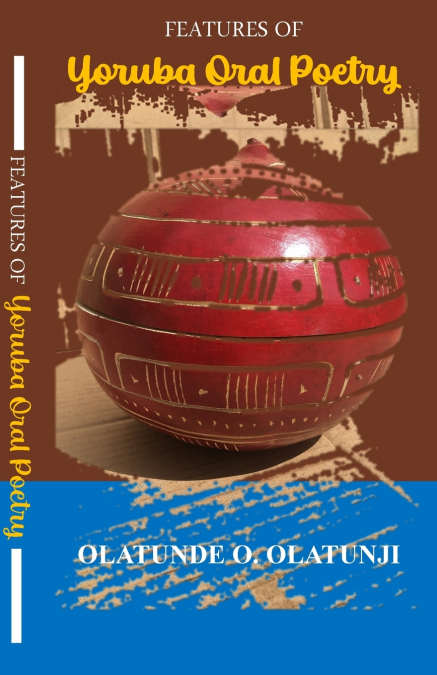
Features of Yoruba Oral Poetry is primarily an analytic study of the feature class of Yorubá oral poetry. The author describes the literary and stylistic or linguistic devices which are shared by all Yoruba oral poetic forms before isolating which of these feature can be said to characterize the class of poetic form under discussion. Yoruba oral poetry features rich language, proverbs, and rich imagery, using repetition, parallelism, tonal counterpoint, chants, praise names (Oriki), incantations, satire, riddles, and narrative storytelling to convey history, myths, and values, acting as entertainment and cultural education across various genres like Ifá and Ijala, adapting to modernity while preserving tradition. Key Features:Linguistic Richness: Employs complex, lyrical language, idioms, and proverbs (e.g., in Oriki) to pass on culture.Repetition & Parallelism: Uses repeated phrases, motifs, and parallel structures (like in Ifá poetry) for memorization and aesthetic appeal.Tonal Language: Leverages Yoruba’s tonal nature, using pitch and loudness (tonal counterpoint) for musicality and meaning, crucial in chants like Ijala.Structural Elements: Includes chants, riddles, praise names (Oriki), incantations, and narrative songs.Narrative & Didacticism: Tells stories, preserves history, teaches morals, and serves social/cultural functions, often blending entertainment with education.Adaptability: Traditional forms adapt to modern contexts, from children’s games to university performances, showing resilience and cultural vibrancy.





